
Fix Your Tail Light Fast: Car Rear Light Lamp Bulb Holder Socket Replacement Guide
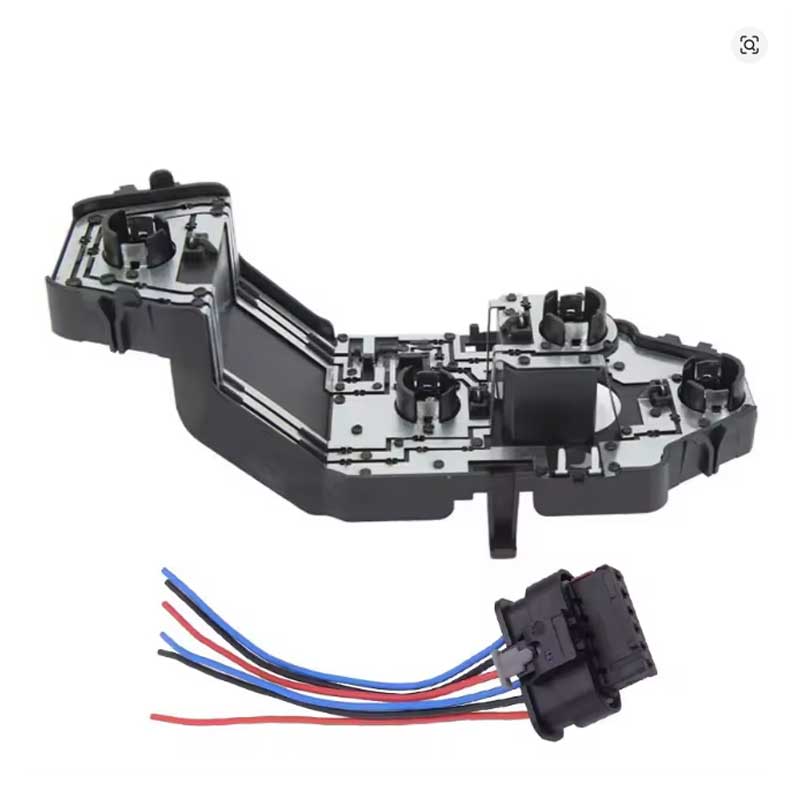
Figure 1: A quality car rear light lamp bulb holder socket ensures proper electrical connection for your tail lights.
Have you ever had a tail light go out, replaced the bulb, and still had no light? Have you been frustrated by a faulty socket that melts, cracks, or fails to make a connection? Do you want to avoid a costly trip to the mechanic for a simple electrical repair? There is an affordable solution. Meet the car rear light lamp bulb holder socket. This small but critical component connects your tail light bulb to the vehicle’s electrical system. When the socket fails, your brake lights, turn signals, or running lights stop working. This is dangerous and can get you a ticket. Replacing a bad socket is an easy DIY repair that saves you time and money. In this complete guide, we will explain everything you need to know about the car rear light lamp bulb holder socket. You will learn how to identify a faulty socket, how to replace it, and why this simple repair keeps you safe on USA roads.
H2: What is a Car Rear Light Lamp Bulb Holder Socket?
The car rear light lamp bulb holder socket is the plastic or metal component that holds the tail light bulb and connects it to your vehicle’s wiring. It sits inside the tail light housing. The bulb twists or pushes into the socket. The socket has electrical contacts that transfer power from the wiring harness to the bulb. When you turn on your headlights, step on the brake, or activate a turn signal, power flows through the socket to the bulb.
This car rear light lamp bulb holder socket is designed to withstand heat from the bulb, moisture, and vibration. However, over time, sockets can fail. The plastic can become brittle and crack. The metal contacts can corrode or lose tension. The socket may melt from excessive heat. When this happens, your tail light stops working even with a new bulb. Replacing the socket restores proper function. The socket is a universal replacement part that fits many vehicle brands including Ford, Chevrolet, Toyota, Honda, Nissan, and more. It is an essential component for maintaining safe lighting on USA roads.
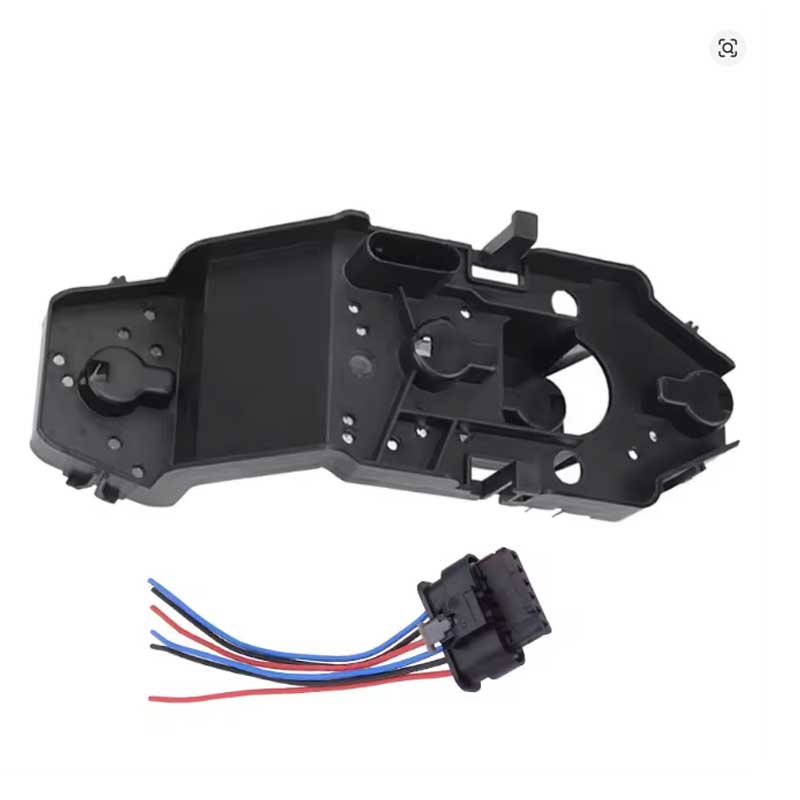
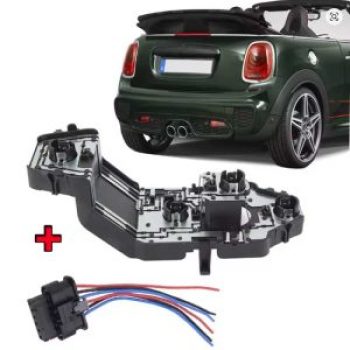
Figure 2: The car rear light lamp bulb holder socket includes connector pins that plug into your vehicle’s wiring harness.
H3: Why a Faulty Car Rear Light Bulb Socket is Dangerous
A broken car rear light lamp bulb holder socket is not just an inconvenience. It is a serious safety hazard. Here is why you should not ignore a bad socket.
- Reduced Visibility to Other Drivers: When your brake light or tail light is not working, drivers behind you may not see you in time. This increases the risk of rear-end collisions.
- Turn Signal Failure: A bad socket can cause your turn signal to stop working. Other drivers will not know when you are turning or changing lanes.
- Risk of Getting a Ticket: In all USA states, driving with a non-functional tail light, brake light, or turn signal is illegal. You can receive a citation and a fine.
- Electrical Shorts or Melting: A damaged socket can cause electrical arcing, melting, or even a fire in extreme cases.
- Failed State Inspection: Many states require annual safety inspections. A non-functional tail light or turn signal will cause your vehicle to fail inspection.
H3: Key Features of the Car Rear Light Lamp Bulb Holder Socket
Let us break down the main features of this essential car rear light lamp bulb holder socket and why they matter for USA car owners.
- Durable Construction: The car rear light lamp bulb holder socket is made from heat-resistant plastic and metal contacts. It is designed to withstand the high temperatures generated by tail light bulbs, preventing melting and warping.
- Corrosion-Resistant Contacts: The electrical contacts inside the socket are plated to resist corrosion. This ensures a reliable electrical connection even in humid or wet conditions.
- Secure Bulb Retention: The socket holds the bulb firmly in place. This prevents the bulb from vibrating loose or losing contact due to road bumps and vibrations.
- Universal Fitment: This socket is designed to fit many common vehicle brands. It is compatible with Ford, Chevrolet, GMC, Dodge, Toyota, Honda, Nissan, Hyundai, Kia, and more. Check your vehicle’s bulb type before ordering.
- Easy DIY Installation: Replacing the socket requires only basic hand tools. No special training or equipment is needed. Most drivers can complete the repair in under 30 minutes.
- Plug-and-Play Design: The socket includes a pigtail connector that plugs directly into your vehicle’s existing wiring harness. No cutting or soldering is required for most installations.
H2: Top Signs You Need to Replace Your Car Rear Light Lamp Bulb Holder Socket
How do you know if your car rear light lamp bulb holder socket is bad? Look for these warning signs.
H3: Intermittent or Flickering Tail Light
If your tail light or brake light works sometimes but not others, the socket is likely the problem. Hitting a bump may make the light come on or go off. This indicates poor electrical contact inside the socket.
H3: Bulb Looks Fine but Light Does Not Work
You replaced the bulb with a new one, but the light still does not work. The bulb is good, but power is not reaching it. The car rear light lamp bulb holder socket is often the culprit.
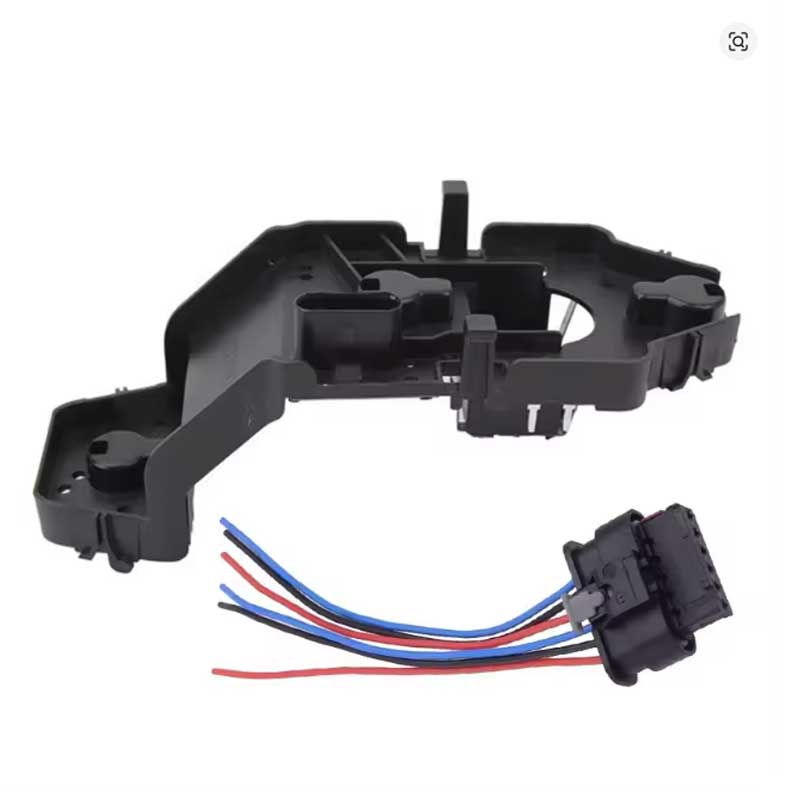
Figure 3: A melted or corroded car rear light lamp bulb holder socket needs immediate replacement.
H3: Visible Damage to the Socket
Inspect the socket. Look for cracks, melted plastic, blackened contacts, or corrosion. If the socket looks damaged, it will not work reliably.
H3: The Socket Feels Loose When Inserting the Bulb
The bulb should twist and lock into place with a firm click. If the socket feels loose or the bulb falls out, the retention mechanism is worn out.
H3: Rust or Corrosion on Electrical Contacts
Moisture can get into the tail light housing. Over time, this causes rust and corrosion on the socket’s metal contacts. Corrosion blocks the flow of electricity.
H2: How to Replace Your Car Rear Light Lamp Bulb Holder Socket
Replacing a faulty car rear light lamp bulb holder socket is a straightforward DIY repair. Follow these steps for a successful installation.
H3: Tools and Materials Needed
- New car rear light lamp bulb holder socket (confirm compatibility with your vehicle)
- Replacement bulbs (optional, recommended to replace while you are there)
- Screwdriver set (Phillips and flathead)
- Socket or wrench set (if needed to remove tail light assembly)
- Dielectric grease (optional, for corrosion prevention)
- Shop rag or gloves
H3: Step-by-Step Replacement Procedure
- Safety First – Disconnect the Battery: Always disconnect the negative battery terminal before working on electrical components. This prevents short circuits and shocks.
- Access the Tail Light Assembly: Open your trunk or rear hatch. Remove the access panel or carpet covering the back of the tail light assembly. On some vehicles, you may need to remove the entire tail light housing from outside the vehicle.
- Remove the Old Socket: Locate the car rear light lamp bulb holder socket inside the tail light housing. Twist it counter-clockwise to unlock it. Pull it straight out. If it is stuck, use gentle pressure – do not force it.
- Disconnect the Wiring Harness: The socket has a pigtail connector plugged into the vehicle’s wiring harness. Press the release tab and pull the connectors apart. If the connector is corroded, clean it with electrical contact cleaner.
- Inspect the Wiring: Check the wires for damage, cracks, or melted insulation. If the wiring is damaged, you may need to repair it before installing the new socket.
- Prepare the New Socket: Apply a small amount of dielectric grease to the electrical contacts inside the new socket. This prevents future corrosion and improves conductivity.
- Connect the New Socket: Plug the new car rear light lamp bulb holder socket into the wiring harness connector. You should hear a click when it is fully seated.
- Insert the Bulb: Install a new bulb into the socket. Push and twist until it locks into place. Use a clean rag to handle the bulb – oil from your skin can shorten bulb life.
- Install the Socket: Insert the socket into the tail light housing. Twist it clockwise until it locks securely.
- Test the Light: Reconnect the battery. Turn on your headlights, brake lights, and turn signals to test. The light should work properly.
- Reassemble: Replace any access panels, carpet, or the tail light housing. Tighten screws securely but do not overtighten.
H3: Tips for a Successful Repair
- Replace Bulbs in Pairs: If one tail light bulb has failed, the other is likely close to failure. Replace both bulbs while you have the assembly open.
- Use Dielectric Grease: A small amount of dielectric grease on the socket contacts and bulb base prevents future corrosion and makes removal easier next time.
- Check Ground Connections: Tail light problems are sometimes caused by a bad ground. Ensure the ground wire is clean and securely attached to the vehicle chassis.
- Test Before Reassembling: Always test the light before putting everything back together. It is easier to troubleshoot with the assembly exposed.
- Keep Spare Sockets: If you own multiple vehicles, consider keeping a spare car rear light lamp bulb holder socket in your toolbox. They are inexpensive and fail at the worst times.
H2: Technical Specifications of the Car Rear Light Lamp Bulb Holder Socket
For those who love the technical details, here is the spec sheet for the car rear light lamp bulb holder socket.
| Specification | Detail |
|---|---|
| Product Name | Car Rear Light Lamp Bulb Holder Socket |
| Material | Heat-resistant plastic with metal electrical contacts |
| Bulb Compatibility | Common tail light bulb types (check your vehicle) |
| Connector Type | Pigtail with standardized plug |
| Vehicle Compatibility | Universal fit for many Ford, Chevy, Toyota, Honda, Nissan models |
| Installation | Plug-and-play, no soldering required for most vehicles |
| Included Accessories | Socket only (bulbs sold separately) |
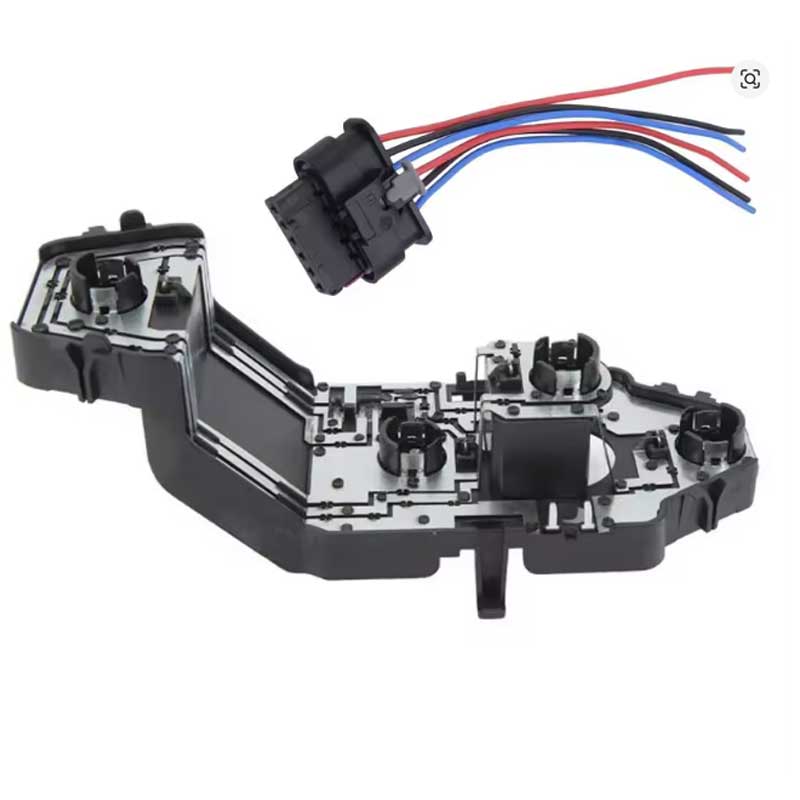
Figure 4: The pigtail connector on the car rear light lamp bulb holder socket plugs directly into your vehicle’s wiring harness.
H2: Pros and Cons of the Car Rear Light Lamp Bulb Holder Socket
Every product has strengths and weaknesses. Here is an honest look at the car rear light lamp bulb holder socket.
Pros – What We Love
- Affordable solution – much cheaper than a mechanic visit
- Easy DIY installation – no special tools or skills needed
- Restores tail light, brake light, and turn signal function
- Prevents electrical shorts and potential fire hazards
- Durable, heat-resistant construction
- Universal fit for many USA vehicle brands
Cons – What to Know
- Bulb not included (sold separately)
- Compatibility varies – confirm fitment for your specific vehicle
- Some vehicles require soldering or crimping for installation
- May not fit all makes and models
H2: Who Should Buy a Car Rear Light Lamp Bulb Holder Socket?
The car rear light lamp bulb holder socket is perfect for many different types of USA vehicle owners. Here is who will benefit the most.
H3: DIY Car Owners Who Perform Their Own Repairs
If you like to fix things yourself and save money on mechanic bills, this socket is for you. The installation is straightforward. You can complete the repair in under 30 minutes with basic tools.
H3: Owners of Older Vehicles with Fading Electrical Components
As vehicles age, plastic and rubber components degrade. If you drive an older car, truck, or SUV, your tail light sockets may be brittle or corroded. Replacing them proactively prevents failures.
H3: Drivers Who Have Been Ticketed for a Tail Light Out
Have you received a fix-it ticket for a non-functional tail light? Replacing the car rear light lamp bulb holder socket solves the problem permanently and prevents future tickets.
H3: Used Car Buyers and Sellers
If you are selling a used car, ensuring all lights work increases its value and makes it more attractive to buyers. If you are buying a used car, check the tail light sockets for corrosion and replace them if needed.
H3: Anyone Preparing for State Safety Inspection
Many states require annual safety inspections. A working tail light, brake light, and turn signal are mandatory. Replacing a bad socket ensures you pass inspection.
H2: Frequently Asked Questions About the Car Rear Light Lamp Bulb Holder Socket
H3: How do I know if I need a new car rear light lamp bulb holder socket or just a new bulb?
If a new bulb does not fix the light, the socket is likely the problem. Also, look for visible damage like cracks, melting, or corrosion. If the socket feels loose when inserting the bulb, it needs replacement.
H3: Is the car rear light lamp bulb holder socket universal?
The car rear light lamp bulb holder socket fits many common vehicles, but it is not universal. Always check compatibility with your specific make, model, and year. Check the bulb type and connector style before ordering.
H3: Can I install the car rear light lamp bulb holder socket myself?
Yes. The installation requires basic hand tools and about 30 minutes. Most drivers can complete the repair themselves. If you are uncomfortable working with electrical components, a mechanic can install it quickly.
H3: Will a bad car rear light lamp bulb holder socket drain my car battery?
Typically, no. A bad socket usually causes a light to not work, not a battery drain. However, a shorted socket could potentially drain the battery. If you suspect a short, replace the socket immediately.
H3: What causes a car rear light lamp bulb holder socket to fail?
Common causes include heat from the bulb (which makes plastic brittle), moisture and corrosion, vibration damage, and electrical arcing. Age is also a factor – plastic becomes brittle over time.
H2: Why Replacing Your Car Rear Light Lamp Bulb Holder Socket Saves You Money
A mechanic might charge $100-$200 to diagnose and replace a bad tail light socket. The car rear light lamp bulb holder socket costs a fraction of that. The DIY installation takes about 30 minutes. You save the labor cost and learn a useful skill. Additionally, fixing a bad socket prevents you from getting a ticket (which can cost $50-$200). It also prevents failed state inspections, which require a re-inspection fee. For a small investment, you ensure your vehicle is safe, legal, and reliable.
H2: Final Verdict – Should You Buy a Car Rear Light Lamp Bulb Holder Socket?
If you have a tail light, brake light, or turn signal that is not working and a new bulb did not fix it, the answer is yes. The car rear light lamp bulb holder socket is an affordable, easy-to-install replacement part that restores proper lighting function. It is durable, heat-resistant, and designed to last. The DIY installation saves you mechanic fees. Most importantly, working tail lights keep you safe on the road and prevent tickets. Do not drive with a non-functional light. Replace the socket and drive with confidence.
H2: What’s in the Box?
When you order the car rear light lamp bulb holder socket, you will receive.
- 1 x Car Rear Light Lamp Bulb Holder Socket (with pigtail connector)
Note: Bulbs are not included. Purchase replacement bulbs separately. Confirm compatibility with your vehicle before ordering. Installation instructions may not be included – refer to online guides or your vehicle’s service manual.
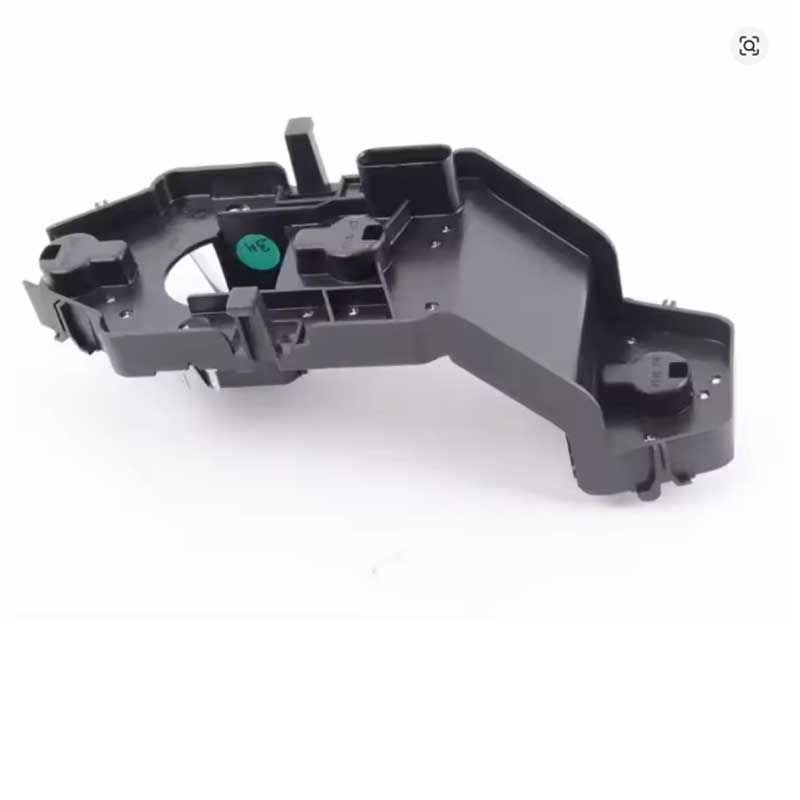
Figure 5: The car rear light lamp bulb holder socket twists into place inside the tail light assembly.
Fix your tail light fast. Affordable replacement socket, easy DIY installation. Compatible with many Ford, Chevy, Toyota, and Honda vehicles. Order today.
Disclaimer: This information is for informational purposes only. Product specifications, prices, and availability are subject to change without notice. The car rear light lamp bulb holder socket is an aftermarket replacement part. Always confirm compatibility with your specific vehicle before purchasing. Disconnect the battery before performing any electrical work. If you are unsure about the repair, consult a qualified mechanic.