
VBOSI Adjustable Compression Wrist Support Brace: Complete Fit and Use Guide
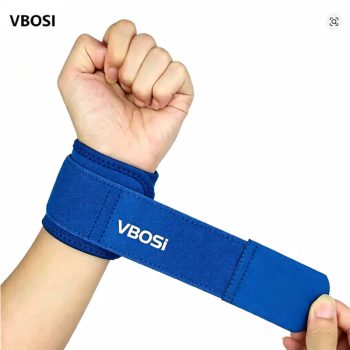
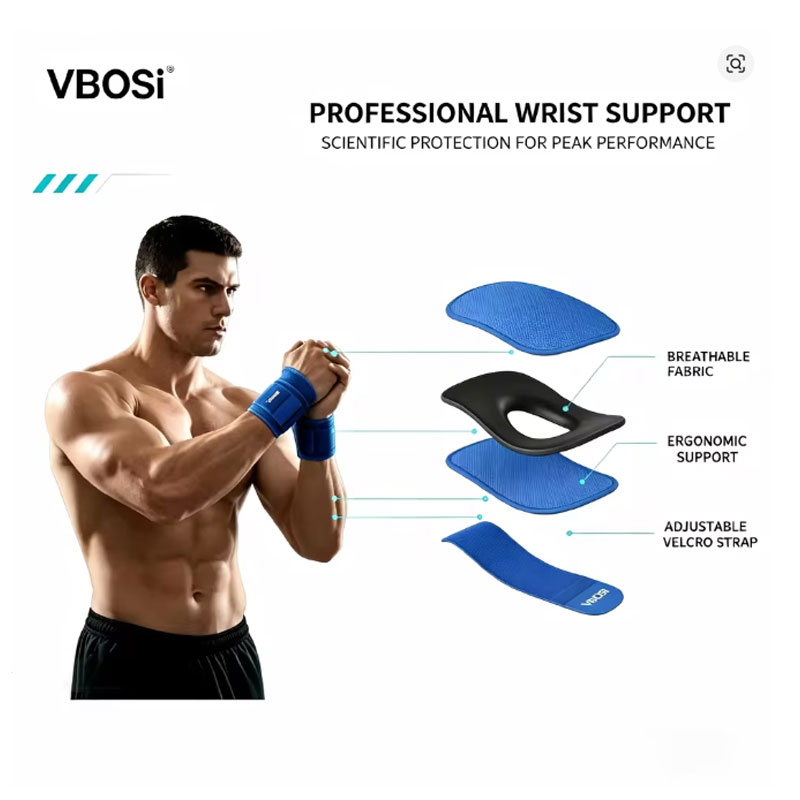
A supportive wrist wrap can be useful when work, exercise, lifting, racquet sports, cycling, typing, household tasks, or other repetitive activities place extra demand on the wrist. The VBOSI Adjustable Compression Wrist Support Brace in Black is designed around a simple idea: provide adjustable compression and a closer, more supportive fit without turning the wrist into a completely rigid structure.
For U.S. shoppers searching for an adjustable wrist support brace, compression wrist wrap, sports wrist support, wrist brace for workouts, wrist support for weightlifting, breathable wrist brace, black wrist support, or adjustable wrist strap for men and women, this VBOSI design fits into a popular category of flexible sports-support accessories.
The major advantage of an adjustable wrap is control. Instead of relying entirely on a fixed sleeve, the wearer can adjust the compression according to wrist size, activity, and comfort. This makes the product relevant to people who want additional wrist stability during everyday activity without automatically choosing a large rigid splint.
However, a compression brace should be used responsibly. It is not a substitute for diagnosis or medical treatment. Persistent wrist pain, significant swelling, weakness, numbness, tingling, loss of movement, deformity, or pain following a serious fall should be medically evaluated rather than managed only with a support wrap.
This comprehensive guide explains the VBOSI wrist brace, adjustable compression, sports use, gym applications, everyday wear, fit, sizing, care, cleaning, safety, and what to consider before buying a wrist-support product online.
VBOSI Adjustable Compression Wrist Support Brace Specifications
| Specification | Details |
|---|---|
| Brand | VBOSI |
| Product Type | Adjustable Compression Wrist Support Brace |
| Color | Black |
| Support Style | Flexible Compression Support |
| Adjustment | Adjustable Strap / Compression Fit |
| Design Focus | Breathable, Flexible Sports Support |
| Suggested Activities | Gym, Weight Training, Basketball, Tennis, Cycling, Daily Activities |
| Primary Purpose | Additional Wrist Compression and Support During Activity |
| Medical Use | Not a Substitute for Professional Diagnosis or Treatment |
Important: Check the current product package for exact dimensions, material percentages, left/right-hand configuration, sizing options, and package quantity before ordering. Product versions can vary.
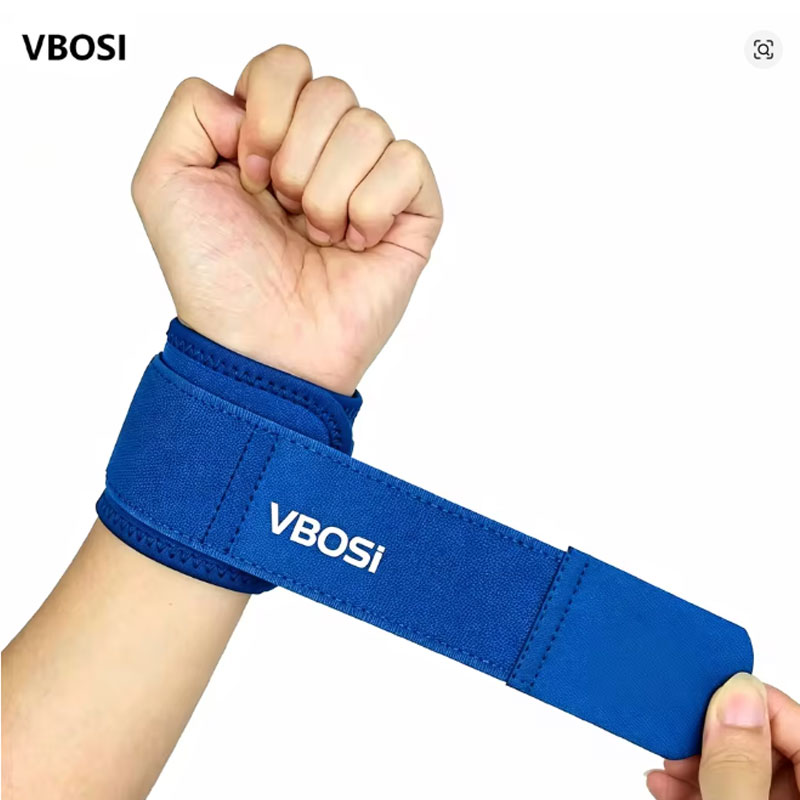
What Is an Adjustable Compression Wrist Support Brace?
An adjustable compression wrist brace is a wearable support that wraps around the wrist area to provide additional compression and a feeling of stability during activity.
Unlike a rigid wrist splint designed to substantially restrict movement, a sports-oriented wrap typically allows more natural wrist motion while adding external support around the joint.
Compression Creates a Snug Supportive Feel
When applied correctly, the wrap sits close to the wrist and can provide a more secure feeling during movement.
Compression Should Never Feel Numb or Painful
A brace should be comfortably snug rather than extremely tight. Loosen or remove it if your fingers become numb, cold, unusually pale, blue, swollen, painful, or tingly.
Why Adjustable Wrist Braces Are Popular
Fixed compression sleeves are convenient, but they provide only the amount of compression built into the material. An adjustable brace adds another level of control.
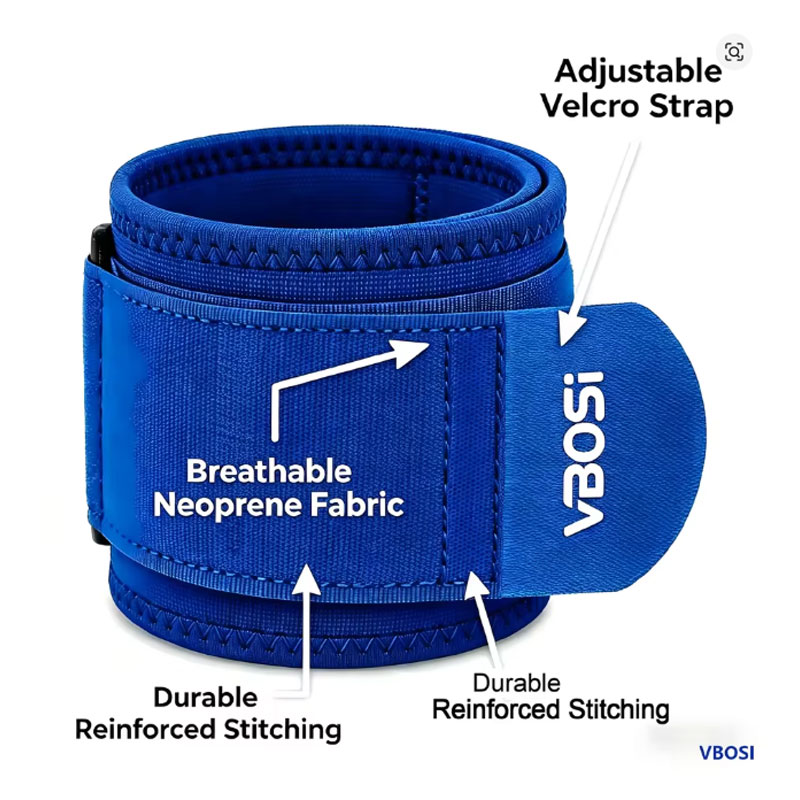
Users Can Fine-Tune the Fit
A person may prefer lighter compression during typing or everyday activity and a more secure wrap during a gym session.
More Compression Is Not Automatically Better
The goal is support and comfort, not maximum tightness. Excessive compression can interfere with circulation or create unnecessary pressure.
VBOSI Wrist Support Is Designed Around Flexible Sports Use
A flexible wrist support can be particularly appealing to active users because it does not automatically immobilize the entire wrist.
Mobility Matters During Sports
Basketball, cycling, tennis, badminton, and gym exercises require the hand and wrist to move dynamically.
A Sports Brace Should Support Without Becoming a Major Obstruction
The right balance depends on the activity, the wearer, and whether any injury is present.
Watch the VBOSI Wrist Support Product Video
The product video below provides another way to review the brace design, wrapping style, and overall appearance before deciding whether it matches your intended use.
Video note: Hosted marketplace video URLs can expire or change. If the video stops loading later, replace the source URL with the latest product-video link.
Breathable Wrist Support Can Be More Practical During Exercise
Sports accessories can become warm during extended activity, especially when they wrap closely around the skin.
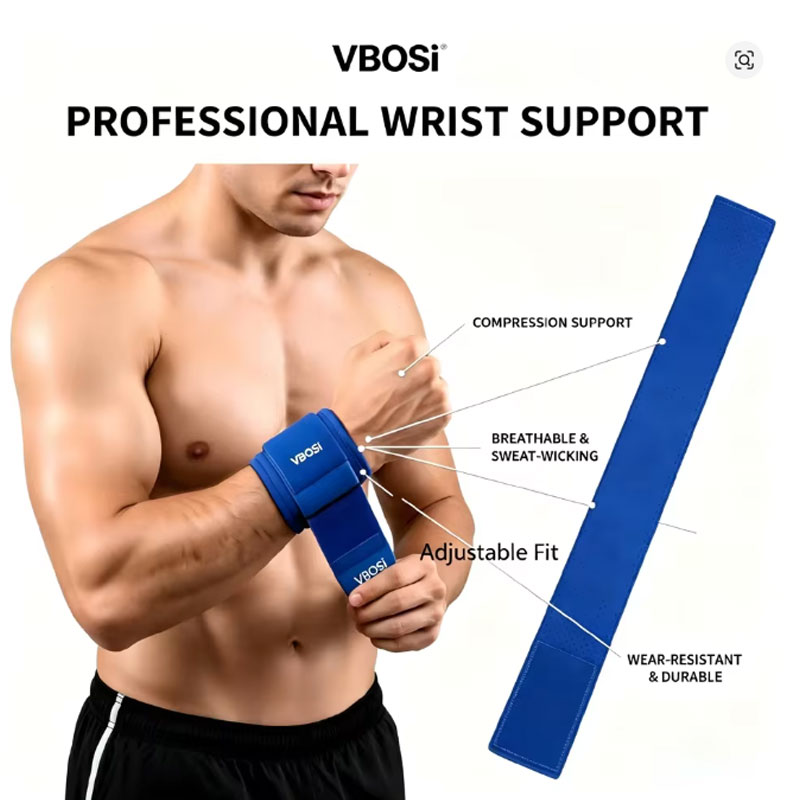
A Breathable Design Can Improve Wearability
Airflow-oriented textile construction may help the brace feel less heavy during workouts than thick, fully enclosed support products.
Breathable Does Not Mean Sweat-Free
Heat, workout intensity, humidity, body temperature, and wearing duration can still lead to perspiration.
Adjustable Compression Can Help Create a More Personalized Fit
Wrist circumference varies considerably between users, and even the same person may prefer different tension depending on activity.
Adjust Before Beginning Exercise
Secure the support while the wrist is in a comfortable neutral position rather than waiting until a set has already begun.
Recheck the Fit During Long Sessions
Movement and perspiration can change how a wrap feels. Adjust it if it begins to slide or feel overly restrictive.
VBOSI Wrist Support for Weight Training
Weightlifting and resistance training are major reasons shoppers look for wrist support for the gym.
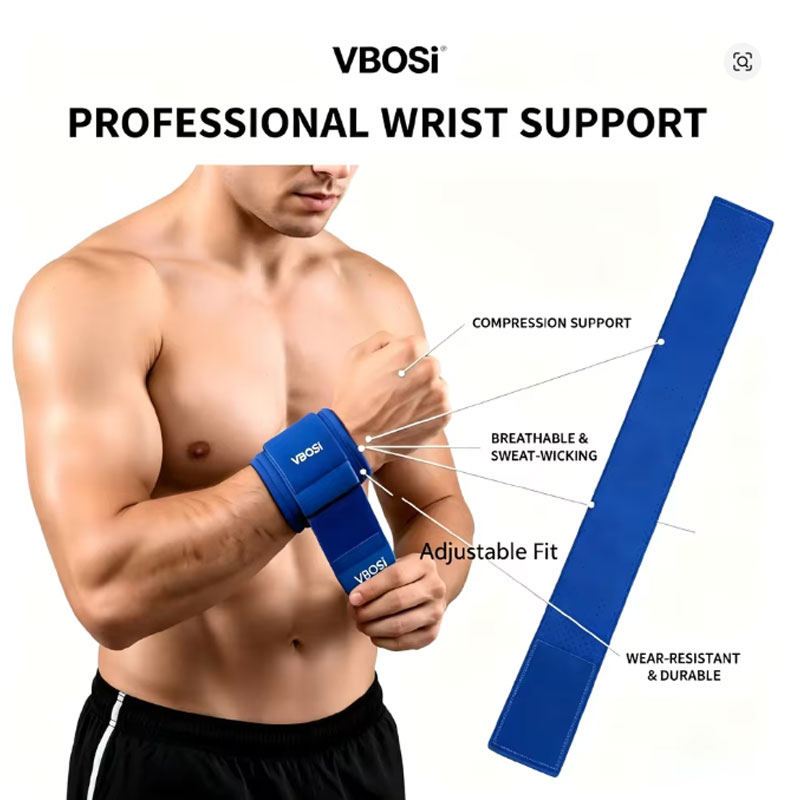
A Wrist Wrap Can Add External Support During Some Exercises
Pressing movements, dumbbell training, machine exercises, and other movements may place the wrist under load.
A Brace Does Not Fix Poor Technique
Exercise form, appropriate weight selection, gradual progression, and recovery remain more important than relying on equipment to compensate for technique problems.
Compression Wrist Support for Bench Press and Pressing Exercises
During pressing exercises, some lifters allow the wrist to bend excessively backward under the load.
Support Can Encourage Greater Awareness of Wrist Position
A snug wrap can provide tactile feedback around the joint.
Do Not Use the Brace to Justify Excessive Weight
If a load cannot be controlled safely without equipment, simply tightening a wrist support may not solve the underlying training issue.
VBOSI Wrist Brace for Dumbbell Workouts
Dumbbell training requires each hand and wrist to control weight independently.
Adjustable Compression May Feel Useful During Repeated Sets
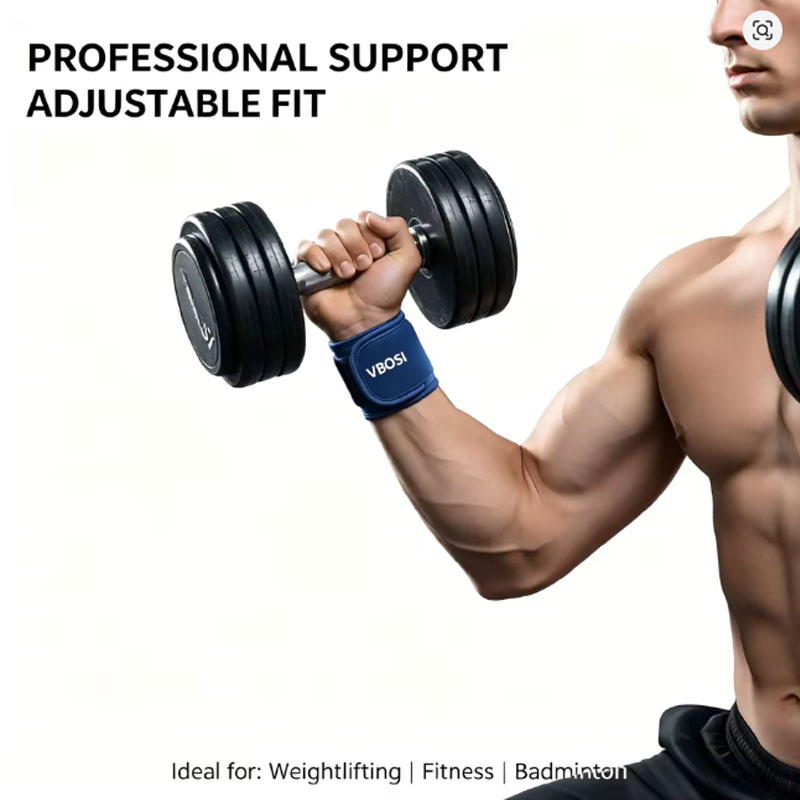
A flexible brace can be worn during curls, presses, raises, and other movements when additional wrist support is desired.
Grip Strength and Wrist Strength Still Need Training
A support accessory should complement sensible conditioning rather than replace it completely.
Wrist Support for Weightlifting vs. Lifting Straps
These accessories serve different purposes.
Wrist Braces Focus on the Wrist Area
They provide compression and support around the joint.
Lifting Straps Primarily Assist Grip
Straps wrap around a barbell or handle to reduce reliance on grip strength. A wrist brace should not automatically be expected to perform the same job.
VBOSI Wrist Support for Basketball
Basketball includes dribbling, passing, rebounding, shooting, contact, and falls, all of which can involve the hands and wrists.
A Flexible Brace Can Be Easier Than a Rigid Splint During Sport
Players usually need enough motion to control the ball naturally.
Do Not Play Through a Significant Injury Because You Have a Brace
A support wrap cannot rule out a fracture, ligament injury, or other serious problem after a fall or impact.
VBOSI Compression Wrist Support for Tennis
Tennis repeatedly loads the hand, wrist, and forearm during serves, forehands, backhands, volleys, and racquet control.
A Lightweight Support May Fit Better Around Sports Equipment
Bulky braces can interfere with grip or movement, while a slimmer compression design may be more practical for some players.
Technique and Racquet Setup Matter Too
Grip size, string tension, training volume, and stroke mechanics can contribute to wrist or forearm discomfort.
Wrist Support for Badminton and Racquet Sports
Badminton uses quick wrist and forearm movements, making unrestricted hand mobility important.
Adjustable Compression Allows the User to Experiment With Tension
The brace can be worn more lightly when extensive motion is required.
Stop if the Brace Changes Your Technique Uncomfortably
Support equipment should not force unnatural movement patterns.
VBOSI Wrist Support for Cycling
Cyclists place part of their upper-body weight through the handlebars, especially during longer rides.
A Compression Wrap Can Provide Additional Wrist Stability
Some riders may prefer the supportive feeling during recreational cycling or longer sessions.
Bike Fit Is Still Critical
Handlebar position, saddle setup, riding posture, glove padding, and hand position can all influence wrist comfort.
Wrist Braces Can Be Used During Everyday Activities
The appeal of a flexible support is not limited to formal workouts.
Household Tasks Can Involve Repetitive Wrist Motion
Cleaning, gardening, carrying objects, DIY projects, cooking, and other activities can involve repetitive gripping and movement.
Choose Compression That Still Allows Safe Movement
An overly tight brace can become distracting during ordinary tasks.
Can You Wear a Compression Wrist Brace While Typing?
Office workers, programmers, writers, designers, students, and gamers can spend many hours using keyboards and mice.
A Flexible Support May Be Easier to Type In Than a Rigid Splint
The slimmer design can allow more movement around a keyboard.
Ergonomics Matter More Than Wearing a Brace All Day
Keyboard position, mouse setup, desk height, breaks, posture, and workload can all influence wrist comfort.
Wrist Support for Gaming
Gaming can involve prolonged controller, keyboard, and mouse use.
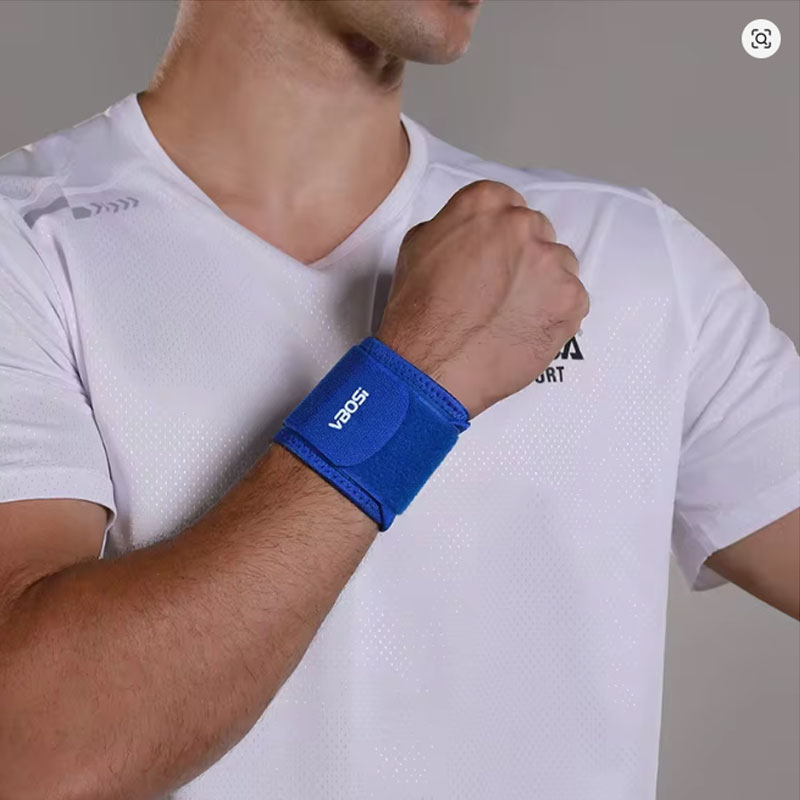
Compression May Provide a More Supported Feeling During Long Sessions
Some users like additional stability during repetitive hand movements.
Regular Breaks Remain Important
A brace should not be used as a reason to continue an uncomfortable activity indefinitely.
Can a Wrist Support Brace Treat Carpal Tunnel Syndrome?
Consumers frequently search for wrist braces using the phrase “carpal tunnel,” but a general sports compression wrap should not automatically be described as a proven treatment.
Carpal Tunnel Symptoms Can Require Medical Evaluation
Numbness, tingling, burning, weakness, nighttime symptoms, or dropping objects may require evaluation by an appropriate healthcare professional.
Different Wrist Braces Serve Different Purposes
A rigid night splint that holds the wrist in a specific position is different from a flexible sports compression wrap.
Can a Compression Wrist Brace Treat Tendonitis?
Persistent tendon pain deserves an accurate diagnosis because wrist discomfort can have several causes.
Compression May Feel Supportive but Does Not Identify the Problem
A wrap cannot determine whether pain comes from a tendon, ligament, nerve, bone, joint, or another structure.
Recurring Pain Should Not Be Managed by Bracing Alone
Activity modification, rehabilitation, medical evaluation, or other treatment may be necessary depending on the cause.
When Wrist Pain Needs More Than a Sports Brace
Not every wrist problem is appropriate for self-management.
Seek Evaluation After a Significant Fall or Impact
A fracture or major ligament injury can sometimes still allow limited wrist movement.
Severe Swelling or Deformity Needs Prompt Attention
A compression brace should not be used to hide symptoms that may indicate significant injury.
Numbness and Weakness Deserve Attention
Persistent sensory changes may involve nerve compression or another underlying problem.
Do Not Simply Tighten the Brace Further
If numbness begins after putting on the support, loosen or remove it immediately.
How Tight Should a Compression Wrist Brace Be?
This is one of the most important practical questions.
The Brace Should Feel Secure but Comfortable
It should not slide freely around the wrist during normal movement.
You Should Maintain Normal Finger Color and Sensation
Cold fingers, numbness, tingling, unusual discoloration, throbbing, or swelling can indicate excessive compression.
How to Put On an Adjustable Wrist Support
Exact wrapping steps can vary according to product design, so use the current package instructions as the primary guide.
Position the Base Around the Wrist
Place the support so the compression area sits where intended without covering the hand unnecessarily.
Keep the Wrist in a Comfortable Neutral Position
Avoid intentionally bending the wrist far forward or backward while tightening the wrap.
Adjust the Strap Gradually
Increase tension until the brace feels supportive.
Test Hand Movement Before Starting Activity
Open and close the hand, move the fingers, and confirm that circulation feels normal.
Should You Wear a Wrist Brace All Day?
There is no universal answer for every person or every brace.
Sports Supports Are Often Most Useful During Specific Activities
Some users may prefer wearing the brace only while lifting, playing sports, doing repetitive work, or completing other demanding tasks.
Continuous Unnecessary Bracing May Not Be Ideal
If you believe you need wrist support throughout the entire day for ongoing pain or instability, consider discussing the problem with an appropriate healthcare professional.
Should You Sleep in the VBOSI Wrist Support?
A sports compression brace is not automatically designed as a nighttime medical splint.
Sleep Braces May Need Different Positioning
Some conditions are managed with braces that hold the wrist near neutral while sleeping.
Follow Professional Advice for Nighttime Use
Do not assume that every compression wrap should remain tightly secured for many hours overnight.
How to Choose the Correct Wrist Brace Size
A support that is too large may slide, while one that is too small may compress excessively.
Measure Wrist Circumference if a Size Chart Is Provided
Use a flexible tape around the area specified by the seller.
Do Not Pull the Measuring Tape Extremely Tight
The measurement should represent the natural wrist circumference.
Left Hand vs. Right Hand Wrist Braces
Some wrist supports are universal, while others use hand-specific shapes.
Check Your Exact VBOSI Variation Before Buying
Do not assume that every VBOSI support is identical across all model versions.
Order the Correct Side When Required
A hand-specific brace may not fit correctly when worn on the opposite wrist.
Black Wrist Support Is Easy to Coordinate With Sports Clothing
Color may not affect support performance, but it can influence how often a user wants to wear an accessory.
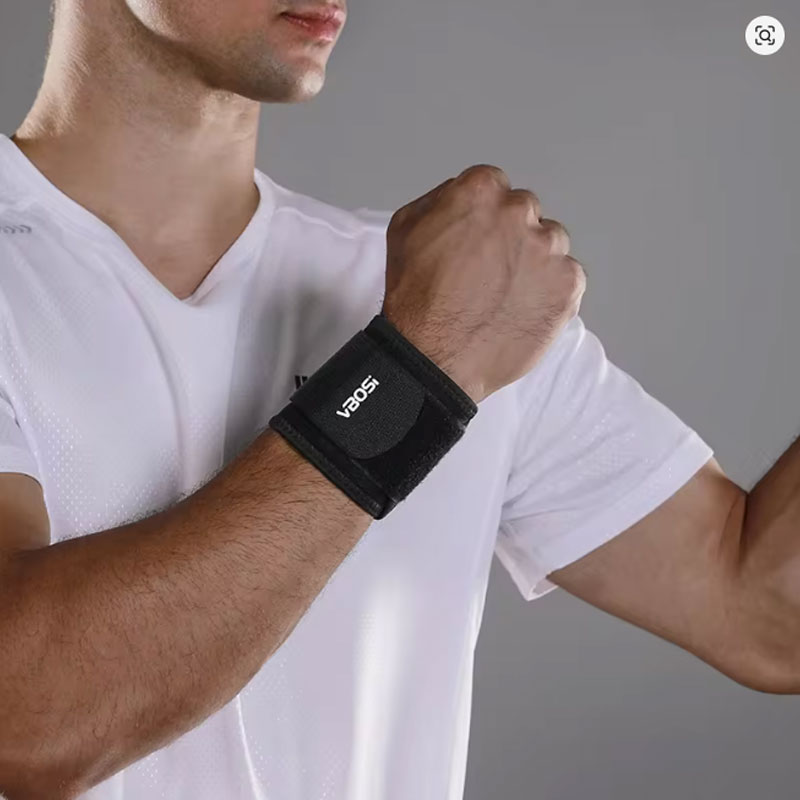
Black Works With Most Gym Clothing
It coordinates easily with gloves, athletic tops, shorts, leggings, gym bags, and sports footwear.
Darker Colors Can Also Look More Discreet
A black support is relatively easy to wear during everyday activities without becoming the main visual element of an outfit.
How to Clean a VBOSI Compression Wrist Brace
Sports supports can absorb sweat and skin oils, making routine cleaning important.
Check the Current Care Label First
Material blends and fastening systems can require different cleaning methods.
Hand Washing Is Often Gentler for Adjustable Sports Supports
When permitted, cool or lukewarm water and mild detergent may place less stress on elastic fibers and fastening components than aggressive washing.
Avoid Harsh Bleach and Strong Chemicals
Strong cleaning products may affect elasticity, fabric, color, or closures.
Rinse Detergent Thoroughly
Residue can be uncomfortable against the skin during exercise.
Allow the Brace to Dry Completely Before Wearing
Putting on a damp support can feel uncomfortable and may contribute to odor.
Air Drying Can Help Protect Elastic Sports Materials
High heat may affect some stretch textiles.
Avoid Placing the Brace Directly on a Heater
Use the current manufacturer’s instructions for drying.
Rotate Between Supports if You Train Daily
Having a second clean support can give each brace adequate time to dry.
When Should a Wrist Support Be Replaced?
Sports braces experience repeated stretching and compression.
Replace the Brace if Elasticity Declines Significantly
A support that no longer maintains its intended fit may provide less useful compression.
Inspect the Strap and Fastening Area
Worn closures can allow the brace to loosen unexpectedly during activity.
VBOSI Wrist Brace vs. Rigid Wrist Splint
These products are designed for different levels of restriction.
VBOSI Sports Support Prioritizes Flexible Compression
This makes it easier to maintain wrist movement during physical activity.
Rigid Splints Prioritize Motion Restriction
They may contain metal or plastic stays and are sometimes selected for specific injuries or medical conditions under professional guidance.
Compression Wrist Brace vs. Wrist Wraps for Powerlifting
Heavy powerlifting wrist wraps are often long, stiff, and designed specifically to create substantial support during heavy pressing.
A Flexible Compression Brace Is More Versatile
It may be easier to use for general gym activity, racquet sports, cycling, or everyday tasks.
Specialized Lifters May Prefer Purpose-Built Equipment
Competitive strength athletes should choose equipment based on their training demands and competition rules.
Compression Wrist Brace vs. Wrist Sleeve
A sleeve normally relies primarily on the elasticity of the material.
An Adjustable Strap Adds User-Controlled Tension
This can make the brace easier to fine-tune.
Sleeves Can Be Simpler to Put On
The best choice depends on whether convenience or adjustability is the stronger priority.
Who May Like the VBOSI Adjustable Wrist Support?
Gym Users
People performing regular resistance training may appreciate additional wrist compression during selected exercises.
Recreational Athletes
Basketball, tennis, badminton, cycling, and similar activities fit the sports-oriented design.
People Performing Repetitive Daily Tasks
A flexible support can be useful when temporary additional wrist stability is desired.
Computer and Gaming Users
Some people may prefer a light supportive feeling during repetitive hand use, although ergonomics and breaks remain important.
Shoppers Who Want Adjustable Rather Than Fixed Compression
The strap-based design allows more control than a basic pull-on sleeve.
Who May Need a Different Type of Wrist Support?
People With Suspected Fractures
A sports wrap is not appropriate as the only response to serious trauma.
People Requiring Full Immobilization
A rigid medical brace may be more appropriate when movement restriction is clinically necessary.
People With Persistent Nerve Symptoms
Numbness, tingling, weakness, or loss of coordination should be evaluated appropriately.
People With Significant Swelling or Severe Pain
A diagnosis should come before repeatedly tightening a compression wrap around unexplained symptoms.
What to Consider Before Buying an Adjustable Wrist Support
Check the Size Range
Compare your wrist measurement with the current chart.
Check Whether It Is Left, Right, or Universal
This can prevent ordering the wrong configuration.
Consider Your Main Activity
Gym users, cyclists, tennis players, office workers, and people recovering from injuries may need very different levels of support.
Review the Adjustment System
A secure fastening system should remain in place during the activities you plan to perform.
Check the Current Package Quantity
Some listings include a single brace, while others may offer pairs. Confirm the current product package before ordering.
Frequently Asked Questions About VBOSI Wrist Support Brace
What is the VBOSI Adjustable Compression Wrist Support Brace?
It is a flexible sports-oriented wrist support designed to provide adjustable compression around the wrist during exercise and everyday activities.
What color is the featured model?
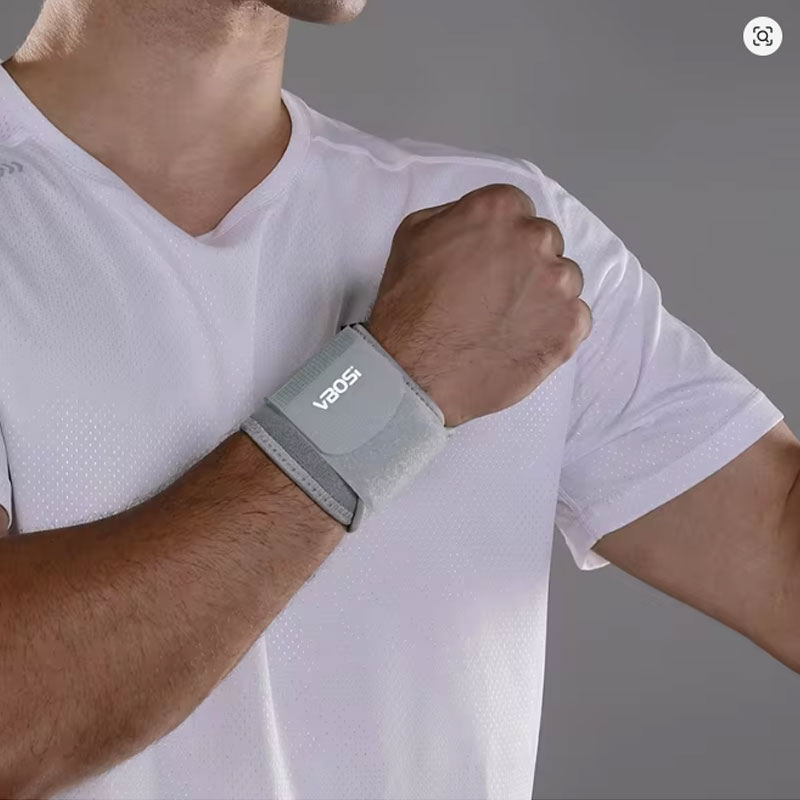
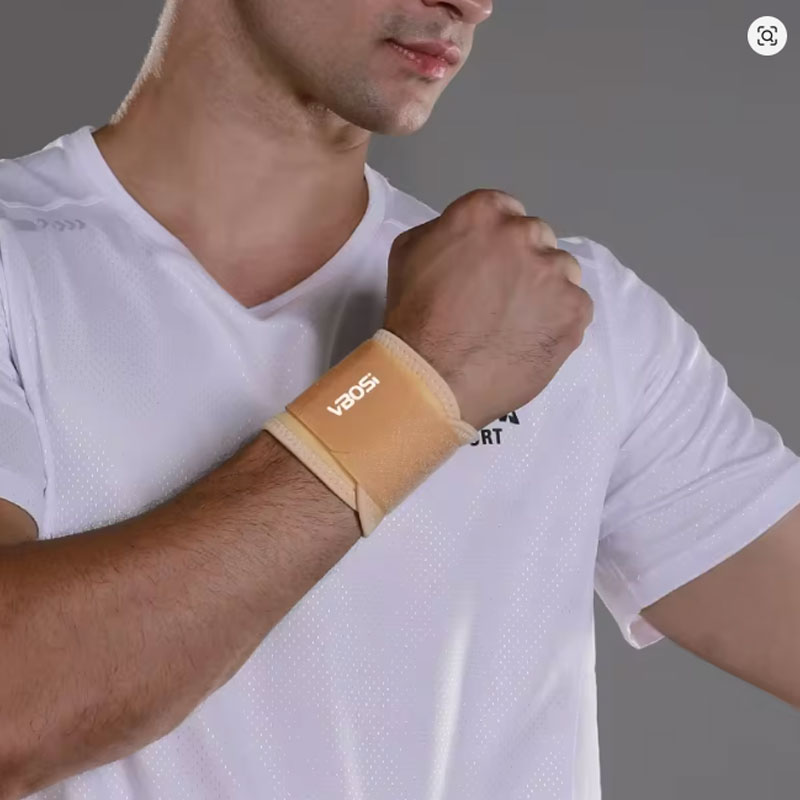
The product shown in the supplied images is black.
Is the brace adjustable?
Yes. Adjustable compression is one of the primary features associated with this VBOSI wrist support style.
Can I make it extremely tight for more support?
No. Excessive compression can cause numbness, tingling, discomfort, swelling, or circulation problems.
Can I use it for the gym?
Its sports-oriented design makes gym and fitness use one of its intended applications.
Can I use it for weightlifting?
It may provide additional wrist support during some resistance exercises, but it should not replace proper technique or specialized lifting equipment where that equipment is needed.
Can I use it for tennis?
Flexible wrist supports are commonly used during racquet sports when additional compression is desired.
Can I wear it for basketball?
Yes, provided the brace fits comfortably and does not interfere with hand movement or sport rules.
Can I wear it while cycling?
Some cyclists may appreciate a supportive feeling around the wrist, but correct bike fit and riding posture remain important.
Can I wear the brace while typing?
A flexible wrap may allow typing, but prolonged wrist symptoms related to computer work should also be addressed through ergonomic changes and appropriate evaluation.
Does this brace cure carpal tunnel syndrome?
No general sports compression brace should be described as a guaranteed cure for carpal tunnel syndrome. Persistent numbness, tingling, or weakness requires appropriate medical assessment.
Does it treat tendonitis?
The brace can provide external compression and support, but it does not diagnose or cure tendon injuries.
Can I wear it all day?
Wear time depends on comfort, purpose, and any professional advice. Remove or loosen the brace if it causes numbness, discoloration, swelling, or increasing discomfort.
Can I sleep in it?
A sports compression brace is not automatically equivalent to a medical nighttime splint. Ask an appropriate healthcare professional if you require wrist bracing during sleep.
How do I know if the brace is too tight?
Warning signs include tingling, numbness, cold fingers, unusual color changes, throbbing, swelling, or increasing pain.
Should I loosen it during long workouts?
Recheck the fit periodically and adjust as necessary for comfort and normal circulation.
How should I clean the wrist brace?
Follow the product care instructions. Gentle hand washing is commonly suitable for many elastic sports supports when permitted by the label.
Can I put it in a hot dryer?
Do not expose the brace to high heat unless the care instructions specifically allow it, because heat can affect elastic materials.
Is the VBOSI wrist brace suitable for men and women?
The practical consideration is fit rather than gender. Check wrist measurements and the current sizing information before ordering.
What should I do if wrist pain continues?
Persistent, recurrent, severe, or worsening wrist pain should be evaluated by an appropriate healthcare professional rather than managed indefinitely with a sports brace alone.
Why the VBOSI Adjustable Compression Wrist Support Stands Out
The VBOSI Adjustable Compression Wrist Support Brace combines the key qualities many shoppers want from a general-purpose sports wrist support: a low-profile design, flexible compression, adjustable tension, breathable construction, and a neutral black appearance.
Adjustability Improves Versatility
The wearer can change the fit according to the activity rather than relying on only one fixed compression level.
Flexible Support Preserves More Movement
This makes the design relevant to activities where a completely rigid splint would be inconvenient.
Breathable Construction Supports Active Use
Sports accessories are easier to tolerate when they do not feel unnecessarily heavy around the skin.
Simple Design Makes It Useful Across Multiple Activities
One support can potentially move between gym sessions, cycling, racquet sports, computer use, household tasks, and other everyday activities.
Ready to Add Adjustable Wrist Support to Your Routine?
If you are looking for an adjustable compression wrist support for gym workouts, sports, cycling, repetitive activities, or general everyday wrist support, the VBOSI Adjustable Compression Wrist Support Brace in Black is worth reviewing.
The main appeal is flexibility. Instead of using a completely rigid brace, the adjustable design can provide compression while allowing more natural movement during activity.
Before purchasing, confirm the exact size, hand configuration, package quantity, materials, and current product specifications. The brace should fit securely without causing numbness, tingling, discoloration, or excessive pressure.
Choose a wrist support based on your intended activity and fit—not simply on how tightly it can be wrapped.
Add the correct OnlineDaraz VBOSI product URL here once available so shoppers can review current sizes, specifications, pricing, and purchase options.
Final Thoughts on VBOSI Adjustable Compression Wrist Support Brace
The VBOSI Adjustable Compression Wrist Support Brace in Black provides a practical middle ground between a basic elastic wrist sleeve and a bulky rigid medical splint.
Its flexible design makes it particularly relevant for sports and everyday activities where the wearer wants additional wrist compression without completely immobilizing the joint. That can include gym workouts, weight training, basketball, tennis, badminton, cycling, household tasks, computer work, and other activities involving frequent hand and wrist movement.
The adjustable design is one of its strongest features. Wrist size, activity level, and preferred compression vary between people, so a strap-based system gives the user more control over fit than a simple fixed sleeve.
That adjustability should still be used responsibly. A wrist brace should feel supportive rather than painfully tight. Numbness, tingling, cold fingers, unusual discoloration, throbbing, swelling, or increasing pain are reasons to loosen or remove the support.
Gym users may find the brace useful during selected resistance exercises where the wrist is placed under load. However, wrist support cannot compensate for poor technique, excessively heavy weights, inadequate conditioning, or an existing injury that requires treatment.
Racquet-sport players may appreciate the flexible format because tennis and badminton require substantial hand movement. Cyclists may prefer additional compression during handlebar use, while basketball players may like a low-profile support that preserves more motion than a rigid brace.
Office workers and gamers may also be attracted to wrist-support products, but repetitive-use discomfort deserves a broader approach. Keyboard placement, mouse position, posture, breaks, desk height, activity duration, and underlying medical issues can all influence symptoms. Wearing a brace without changing the source of repetitive strain may not solve the problem.
The same caution applies to common medical search terms. Consumers frequently search for “carpal tunnel wrist brace,” “tendonitis support,” or “arthritis wrist wrap.” A flexible compression brace may feel supportive, but it should not be marketed as a guaranteed treatment or cure for these conditions.
Persistent pain, numbness, tingling, weakness, severe swelling, loss of grip, limited motion, or symptoms following a significant fall deserve professional evaluation. A compression support cannot identify fractures, ligament injuries, nerve compression, or other causes of wrist symptoms.
Fit should therefore be the first priority. Check the current size chart, measure the wrist correctly, and confirm whether the specific VBOSI variation is designed for the left hand, right hand, or universal use. Product configurations can differ even within the same brand.
Routine cleaning is also important. Sports braces absorb sweat and skin oils during use. Follow the current care label, use gentle cleaning when appropriate, and allow the brace to dry completely before wearing it again. Avoid unnecessary high heat that could damage elastic fibers or fastening components.
For U.S. shoppers searching for an adjustable wrist support brace, compression wrist wrap, sports wrist support, gym wrist brace, wrist support for weightlifting, breathable wrist brace, wrist support for tennis, cycling wrist support, black wrist brace, or adjustable wrist strap, the VBOSI design fits naturally into those shopping categories.
The product’s greatest value is versatility. Instead of being limited to one exercise or one environment, an adjustable flexible support can potentially move with the wearer through several parts of the day.
Use the brace as a supportive accessory rather than as a substitute for healthy training habits, good ergonomics, recovery, or appropriate medical care. When fitted correctly and used for the right purpose, the VBOSI wrist support can become a useful addition to an active lifestyle.
Check Current VBOSI Adjustable Compression Wrist Support Brace DetailsSafety Notice: Stop using the brace if it causes numbness, tingling, discoloration, swelling, worsening pain, or loss of normal sensation. Seek appropriate medical care for severe wrist pain, deformity, major swelling, persistent weakness or numbness, or symptoms following significant trauma.