

TARY CCS2 7kW Portable DC Fast EV Charger – 220V Electric Vehicle Charging Station

TARY CCS2 **EV Charger** features 7kW **DC Charger** performance with a portable **Charging Station** design for compatible 220V electric vehicles. Ideal for convenient EV charging at home, work, travel locations, and suitable power-equipped areas.

The TARY CCS2 7kW Portable DC Fast EV Charger is a compact electric vehicle charging solution designed for compatible electric cars equipped with a CCS2 DC charging interface. Featuring a portable charging unit, integrated carrying handle, charging cables, and a compact metal enclosure, this equipment offers a practical option for selected vehicle charging, maintenance, and workshop applications.
Identified by the model number TA-DC-MD, this portable DC electric vehicle charger is listed with 3.5kW and 7kW output power options and a 220V input voltage specification. Its portable construction makes it suitable for selected professional environments where a fixed charging station may not be practical.
The charger is intended for compatible electric vehicles and charging systems that support the CCS2 connector standard. Vehicle compatibility, input power requirements, charging voltage range, and installation conditions must be verified before purchasing or operating the equipment.
Key Features and Benefits
- 7kW DC Charging Option: Designed for compatible electric vehicles requiring DC charging, with a supplier-listed output power option of 7kW.
- 3.5kW Power Option: The TA-DC-MD series is also listed with a 3.5kW power configuration for selected charging requirements.
- CCS2 Charging Interface: Features the Combined Charging System Type 2 standard for compatible electric vehicles.
- 220V Input Specification: The supplier lists an input voltage of 220V. Actual electrical supply and circuit requirements must be confirmed for the selected model.
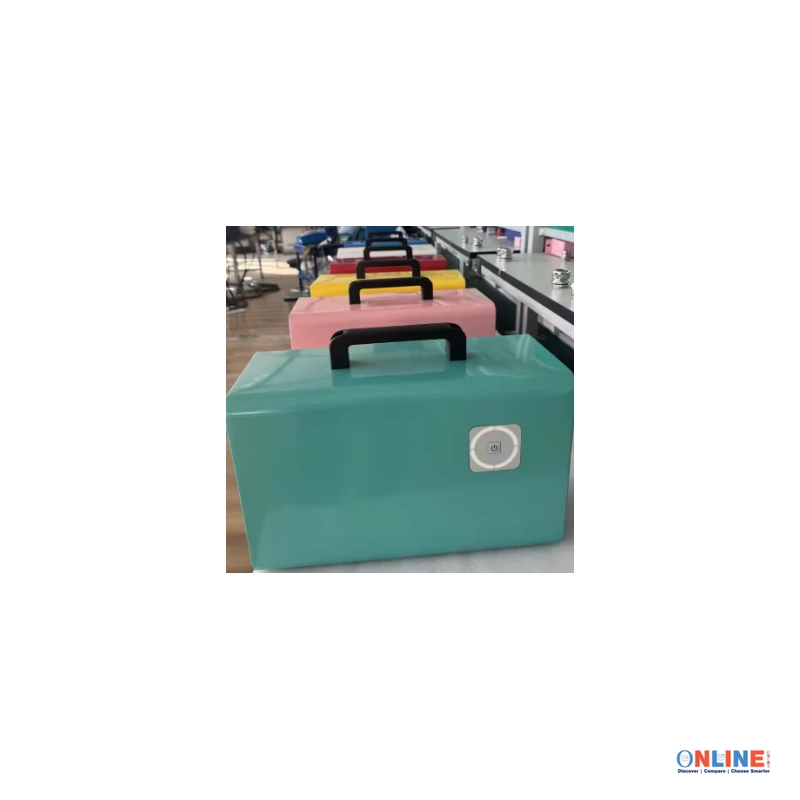
- Portable Charging Design: Compact enclosure with an integrated carrying handle for easier transportation between suitable charging locations.
- DC Output: Designed to provide direct current charging through a compatible vehicle charging interface.
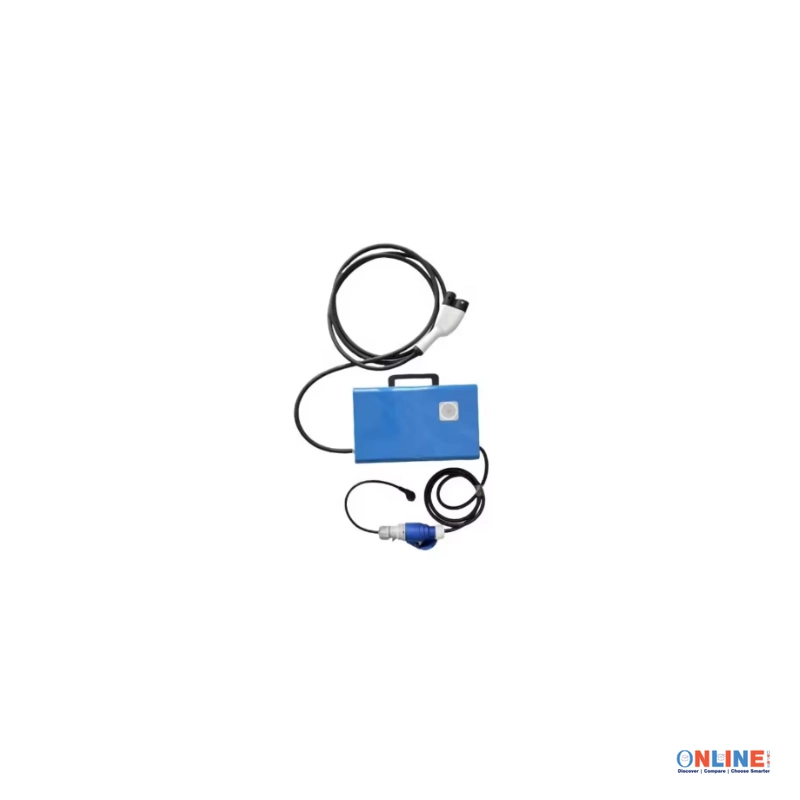
- Integrated Charging Cables: Product images show an external charging cable and vehicle connector assembly.
- Professional Charging Applications: Suitable for evaluation in vehicle servicing, maintenance, workshop, and temporary charging environments.
- OEM Branding: The supplier identifies the charger under OEM branding.
- DDP Shipping Option: The product listing advertises Delivered Duty Paid shipping arrangements, subject to the seller’s confirmed shipping terms.
Applications and Recommended Uses
1. Electric Vehicle Maintenance Workshops
The portable CCS2 DC charger may be useful for professional vehicle maintenance workshops that service compatible electric vehicles. Its compact construction allows technicians to position the charging equipment in suitable designated work areas.
Before use, workshop operators should confirm that the charger is compatible with the vehicle’s charging system and that the electrical supply meets the manufacturer’s requirements.
2. Automotive Service Centers
Automotive service centers that maintain CCS2-equipped electric vehicles may consider portable DC charging equipment for selected charging and servicing operations.
The TA-DC-MD charging unit offers a portable alternative to permanently mounted charging equipment where its electrical and operational requirements can be satisfied.
3. Electric Vehicle Fleet Maintenance
Businesses operating compatible electric vehicle fleets may evaluate this charger for designated maintenance facilities and temporary charging arrangements.
Fleet operators should assess connector compatibility, output power, electrical infrastructure, charging schedules, and applicable safety requirements before selecting this equipment.
4. Vehicle Testing and Charging System Evaluation
Professional technicians may use compatible DC charging equipment during selected vehicle evaluation and charging system testing activities.
Such applications must follow the vehicle manufacturer’s procedures and the charger’s operating instructions.
5. Temporary Charging Locations
The portable design may make this charger suitable for temporary charging arrangements in locations equipped with appropriate electrical infrastructure.
Portability does not mean that the equipment can be connected to any ordinary household outlet. Input current, circuit protection, grounding, connector configuration, and other electrical requirements must be verified before use.
6. Electric Vehicle Retrofit and Upgrade Projects
The supplier lists the product purpose as retrofit and upgrade applications. Professional technicians working with modified electric vehicles may evaluate this charging equipment for compatible charging systems.
Retrofit compatibility must be established through the vehicle’s electrical design, battery management system, charging communication requirements, and manufacturer documentation.
Product Technical Specifications
| Specification | Details |
|---|---|
| Product Name | TARY CCS2 Portable DC Fast EV Charger |
| Model Number | TA-DC-MD |
| Brand | OEM |
| Product Type | Portable DC Electric Vehicle Charger |
| Charging Interface | CCS2 |
| Output Power Options | 3.5kW and 7kW |
| Input Voltage | 220V, According to Supplier Listing |
| Output Type | Direct Current (DC) |
| Electrical Input Frequency | Not Specified |
| Maximum Output Voltage | Not Specified |
| Maximum Output Current | Not Specified |
| Maximum Input Current | Not Specified |
| Connector Standard | Combined Charging System Type 2 |
| Equipment Condition | New |
| Design | Portable Charging Unit |
| Carrying Handle | Visible in Product Images |
| Charging Cable | Shown in Product Images |
| Supplier Listed Purpose | Retrofit and Upgrade |
| Country of Origin | Mainland China |
| Place of Origin | Anhui, China |
| Shipping Arrangement | DDP Shipping Advertised by Supplier |
| Vehicle Compatibility | Compatible CCS2 DC Charging Vehicles, Subject to Verification |
| Installation Requirements | Appropriate Electrical Supply and Manufacturer Approved Connections |
Understanding the 3.5kW and 7kW Charging Options
The TA-DC-MD series is listed with two output power configurations. Customers should confirm the selected configuration before ordering.
3.5kW DC Charging Configuration
The 3.5kW option provides a lower rated output power configuration for compatible electric vehicle charging applications.
It may be considered where charging requirements, vehicle compatibility, and available electrical infrastructure support the lower power configuration.
7kW DC Charging Configuration
The 7kW configuration offers a higher rated output power option within the supplier-listed product range.
A 7kW charger can theoretically deliver up to 7 kilowatt-hours of energy during one hour of operation at full rated output. Actual charging energy and charging speed depend on the vehicle, battery condition, charging limits, and system efficiency.
Important: The term fast charger is used in the supplier’s listing. A 7kW DC charger operates at substantially lower power than many public high-power DC charging stations.
Understanding the CCS2 Charging Interface
CCS2 stands for Combined Charging System Type 2, an electric vehicle charging connector standard used by many electric vehicles in Europe and other international markets.
The CCS2 connector supports DC charging through the vehicle’s compatible charging inlet. However, connector shape alone does not guarantee that a particular charger will work with every CCS2-equipped vehicle.
Successful charging also depends on electrical compatibility, communication protocols, supported voltage ranges, and vehicle charging controls.
Vehicle Compatibility Requirements
- The electric vehicle must support CCS2 DC charging.
- The charger’s DC output voltage must match the vehicle’s supported charging voltage range.
- The vehicle and charger must support compatible charging communication protocols.
- The vehicle’s battery management system must permit the charging operation.
- The available electrical supply must meet the charger’s input requirements.
- The manufacturer must confirm compatibility with the intended vehicle model.
Important for USA Customers: Many electric vehicles in the United States use CCS1 or NACS charging interfaces rather than CCS2. This CCS2 model should not be assumed compatible with US-market vehicles without manufacturer confirmation and an appropriately approved charging solution.
Product Demonstration Video
Watch the supplied product video to explore the portable DC charging unit, its physical appearance, and the charging equipment shown by the seller.
Portable Charger Design and Construction
Compact Metal Enclosure
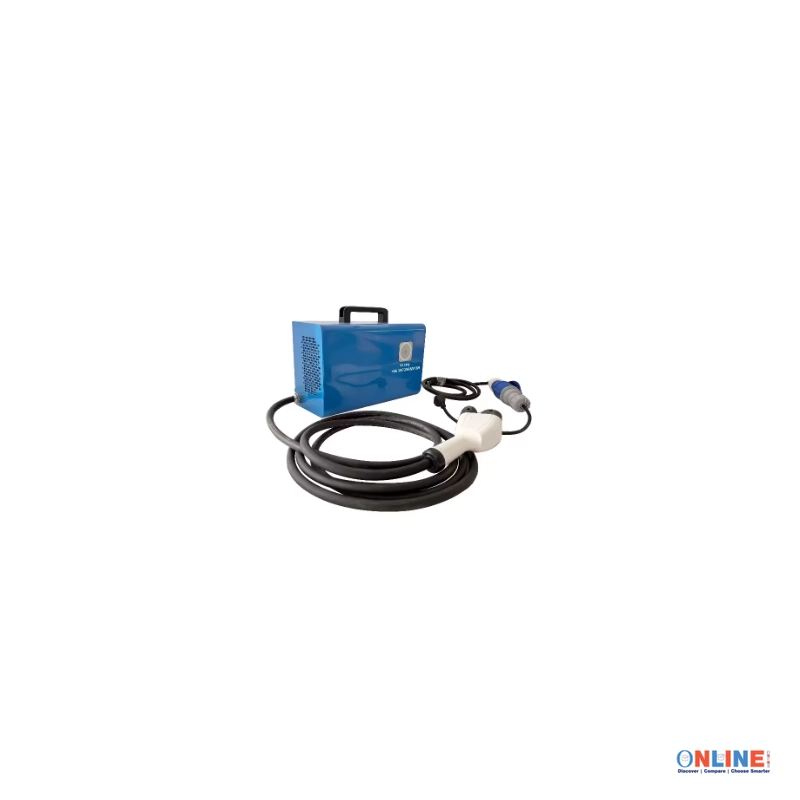
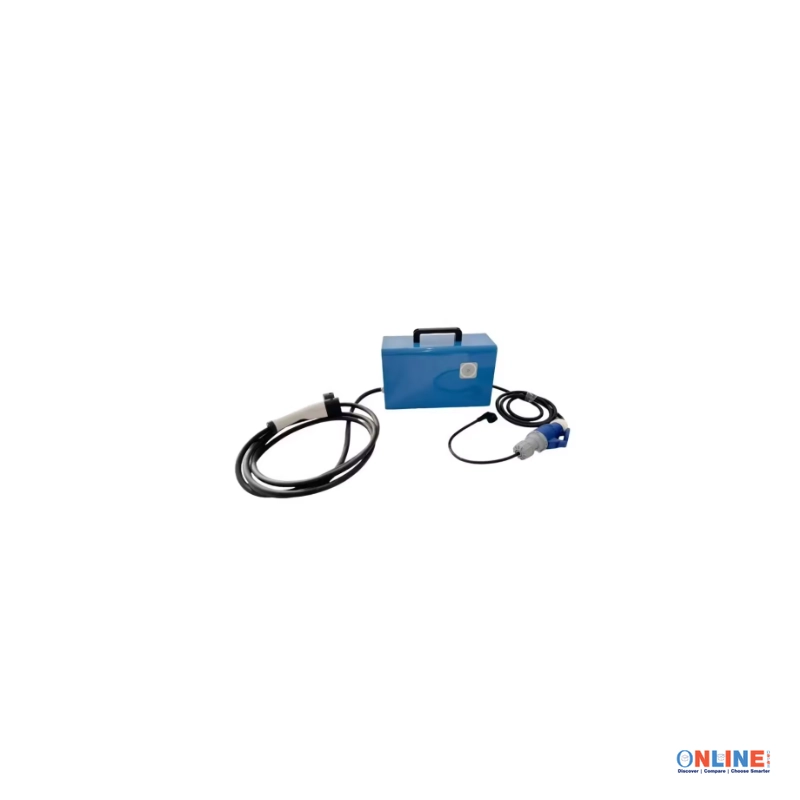
The product images show a compact charging enclosure with a blue exterior finish. This design provides a portable form factor for selected charging applications.
Integrated Carrying Handle
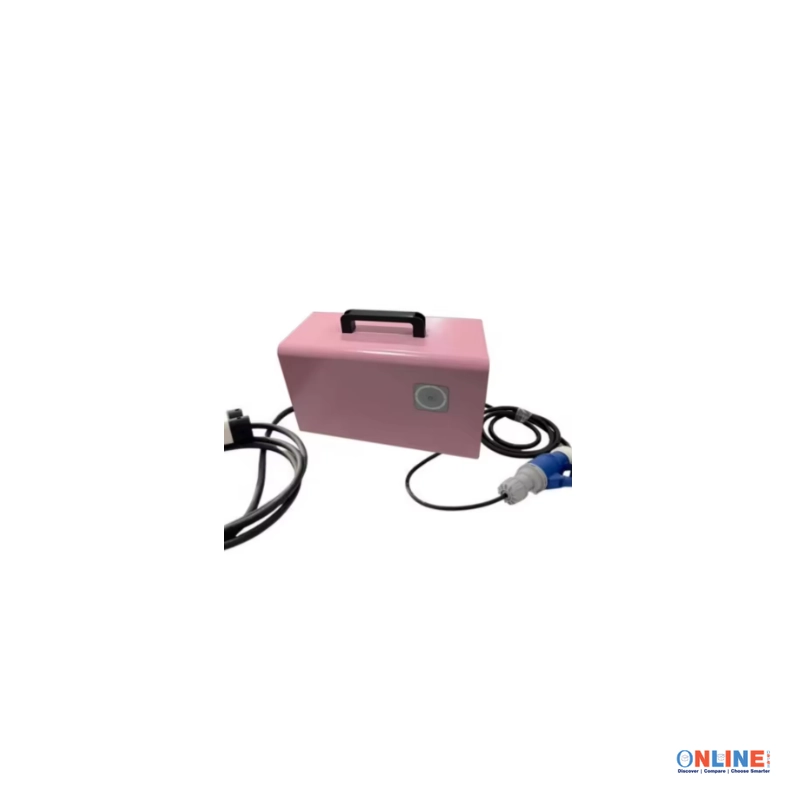
A carrying handle is positioned on top of the charger enclosure, allowing users to transport the unit between suitable charging locations.
External Charging Cable
The product images show a flexible charging cable connected to the main charging unit. The cable allows the charger to be positioned at an appropriate distance from the vehicle’s charging inlet.
The exact cable length is not provided in the supplied specifications and should be confirmed before purchasing.
Vehicle Charging Connector
The charger is listed with a CCS2 interface for compatible electric vehicle charging connections.
Customers should verify the connector configuration and compatibility with their vehicle before completing an order.
Ventilated Enclosure Design
The product images show ventilation openings on the charger housing. These openings should remain unobstructed during operation.
Cooling system specifications and permitted operating temperatures have not been provided in the supplied product information.
How to Use the Portable DC EV Charger
Operating procedures must follow the official manufacturer manual. The following information provides general guidance and does not replace equipment-specific electrical installation or operating instructions.
Step 1: Confirm Vehicle Compatibility
Verify that the vehicle supports CCS2 DC charging and that its charging voltage range and communication requirements are compatible with the selected TA-DC-MD charger.
Step 2: Verify the Electrical Supply
Have a qualified electrical professional confirm that the installation location provides the correct voltage, current capacity, protective devices, grounding, and electrical connections required by the charger.
The supplier lists a 220V input, but this specification alone is insufficient to determine whether an existing electrical outlet or circuit is suitable.
Step 3: Inspect the Charging Equipment
Before operating the charger, inspect the enclosure, charging cable, connectors, and power connections for visible damage.
Do not operate equipment with damaged insulation, loose connections, exposed conductors, or other signs of electrical defects.
Step 4: Position the Charging Unit
Place the charger on a stable surface in an environment permitted by the manufacturer. Keep ventilation openings clear and protect the unit from conditions outside its rated operating limits.
Step 5: Follow the Manufacturer’s Connection Procedure
Connect and operate the charging equipment only in the sequence specified by the manufacturer.
Do not attempt to modify charging connectors, bypass electrical protection systems, or create improvised power connections.
Step 6: Monitor Charging Operation
Observe the charger’s operating indicators and the vehicle’s charging status according to the manufacturer’s instructions.
Stop using the equipment if abnormal heating, unusual odors, damaged connections, repeated electrical faults, or other unsafe conditions occur.
Step 7: Complete the Charging Session
End the charging session using the equipment’s approved operating procedure before disconnecting the vehicle charging connector.
Allow the equipment to cool when required and store it according to the manufacturer’s recommendations.
Electrical Safety and Installation Requirements
Portable DC EV charging equipment operates with potentially hazardous electrical voltages and currents. Incorrect installation or operation can result in electric shock, equipment damage, fire, or vehicle damage.
- Use the charger only with compatible electric vehicles and charging systems.
- Confirm the required electrical supply before connecting the equipment.
- Have electrical installation and circuit suitability assessed by a qualified professional.
- Verify the manufacturer’s specified overcurrent protection and grounding requirements.
- Do not connect the charger through unapproved adapters or extension cables.
- Do not operate the charger with damaged electrical cables or connectors.
- Keep ventilation openings unobstructed.
- Do not expose the charger to rain or moisture unless its environmental protection rating permits such use.
- Do not modify charging connectors or internal electrical components.
- Keep the charger away from combustible materials and unsuitable operating environments.
- Follow applicable electrical regulations and manufacturer instructions.
- Stop operation immediately if the charger displays a fault or shows signs of damage.
Benefits of Portable DC EV Charging Equipment
Flexible Equipment Placement
Portable charging equipment can be moved between suitable charging locations when electrical infrastructure and operating conditions permit.
Convenient Workshop Applications
A compact charger may be practical for selected automotive maintenance and testing environments where permanent charging equipment is not required.
Direct Current Charging
DC charging equipment supplies direct current through a compatible vehicle charging interface, subject to successful communication and control between the charger and vehicle.
Multiple Rated Power Options
The supplier-listed 3.5kW and 7kW configurations provide customers with different power options for compatible charging applications.
Compact Storage
The carrying handle and compact enclosure shown in the product images may simplify transportation and storage compared with larger permanently installed charging stations.
DDP Shipping and International Delivery
The supplier advertises Delivered Duty Paid (DDP) shipping for this portable electric vehicle charger.
Under DDP shipping arrangements, the seller generally assumes responsibility for delivery to the agreed destination and the specified import clearance obligations, including applicable duties and taxes.
However, customers should verify the exact shipping quotation, destination coverage, import documentation, delivery conditions, and any additional charges before ordering.
Important Shipping Considerations
- Confirm whether DDP delivery is available for your destination.
- Verify the final product price and shipping quotation.
- Ask whether import duties and taxes are included.
- Confirm the estimated delivery schedule with the seller.
- Request information about available product documentation.
- Verify applicable warranty and after-sales support arrangements.
Important Information for United States Customers
The product’s listed 220V input voltage should not be interpreted as confirmation of compatibility with every US residential or commercial electrical system.
Customers in the United States should verify the required supply configuration, input current, charging connector, product certification, and applicable electrical installation requirements.
Additionally, CCS2 charging equipment is not automatically compatible with vehicles using CCS1 or NACS connectors.
Before purchasing, request written confirmation from the manufacturer that the selected charger configuration is suitable for your vehicle and intended installation location.
Frequently Asked Questions
What is the TARY TA-DC-MD portable EV charger?
The TA-DC-MD is a portable DC electric vehicle charger listed with CCS2 charging interface support and 3.5kW and 7kW power configurations.
Does this charger support 7kW DC charging?
Yes. The supplier lists a 7kW output power option. Actual charging performance depends on the selected configuration, vehicle compatibility, and operating conditions.
Is a 3.5kW version available?
The supplied specifications list both 3.5kW and 7kW output power options. Confirm availability and the selected configuration with the seller.
What input voltage does the charger require?
The supplier lists an input voltage of 220V. Additional electrical specifications must be confirmed before use.
Does this charger use a CCS2 connector?
Yes. The supplied product specifications identify CCS2 as the charging interface standard.
Can I use this charger with any electric vehicle?
No. The vehicle must support the charger’s connector standard, charging voltage range, and communication requirements.
Can this charger be used with Tesla vehicles?
Compatibility depends on the specific Tesla model, market, charging inlet, and approved charging equipment. Confirm compatibility directly with the manufacturer before purchasing.
Can I use the charger in the United States?
US suitability has not been established by the supplied specifications. Connector compatibility, electrical requirements, certification, and local regulations must be verified before installation or operation.
Is this charger suitable for home use?
Home use may be possible only where the manufacturer approves the installation and the electrical infrastructure meets all required specifications.
Is the charger portable?
Yes. The product images show a compact enclosure with an integrated carrying handle.
Does the charger include a charging cable?
The product images show charging cables and connectors. Confirm the exact package contents and cable lengths with the seller.
Is the charger waterproof?
The supplied specifications do not include an IP rating or verified waterproof classification. Do not assume outdoor or wet-weather suitability without manufacturer documentation.
How long does it take to charge an electric vehicle?
Charging time depends on the vehicle’s battery capacity, initial state of charge, charging power limitations, battery temperature, and charger efficiency.
For illustration, delivering 14kWh of energy would theoretically require two hours at a continuous 7kW output. Actual charging sessions may take longer.
Does this charger support DDP shipping?
The supplier advertises DDP shipping. Customers should confirm destination eligibility and included shipping charges before ordering.
Does the charger include a warranty?
Warranty coverage and service terms are not specified in the supplied product information. Request warranty details from the seller before purchasing.
Important Product Information
This product is listed as a portable DC electric vehicle charger with CCS2 interface support, a 220V input specification, and 3.5kW and 7kW rated power options.
The supplied specifications do not establish maximum DC output voltage, maximum output current, input current requirements, operating temperature limits, IP protection rating, charging communication details, or independent product safety certifications.
The manufacturer should provide complete technical documentation and installation instructions before the equipment is used.
Professional electrical assessment and vehicle compatibility verification are essential for safe operation.
Why Choose the TARY CCS2 7kW Portable DC EV Charger?
The TARY CCS2 7kW Portable DC Fast EV Charger offers a compact DC charging format for selected electric vehicle charging, maintenance, and workshop applications.
With supplier-listed 3.5kW and 7kW configurations, a CCS2 charging interface, and a portable carrying design, the TA-DC-MD series provides options for customers evaluating lower-power portable DC charging equipment.
Its compact construction may be especially useful in professional environments where suitable electrical infrastructure is available and a portable charging unit is preferred.
Order Your TARY CCS2 Portable DC Fast EV Charger Today
Explore the TARY TA-DC-MD portable electric vehicle charger for compatible CCS2 DC charging applications.
Choose the appropriate 3.5kW or 7kW configuration and confirm electrical requirements, vehicle compatibility, package contents, warranty terms, and DDP shipping arrangements before completing your purchase.
Select the appropriate charger configuration and confirm compatibility with the supplier before ordering.