
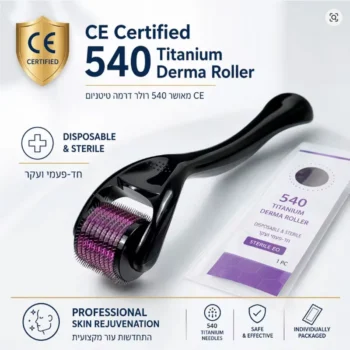

Maintaining healthy-looking skin and hair is an important part of many people’s personal care routines. From improving the appearance of uneven skin texture to exploring products designed for scalp care, consumers are increasingly interested in practical beauty accessories that complement their existing routines. The 540 Titanium Derma Roller for Skin and Hair is a microneedling-style beauty tool marketed for personal skincare and hair-care applications. Featuring a roller-style design described as having 540 titanium needles, this product is intended for people exploring derma roller technology and its potential applications in cosmetic care. Whether you are researching a titanium derma roller for facial skincare, comparing scalp care accessories, or looking for a beauty tool for your personal collection, understanding its construction, intended purpose, limitations, and safety considerations is essential before making a purchase. This comprehensive guide explores the product, explains microneedling concepts, discusses realistic expectations, and helps American consumers make a more informed purchasing decision.

What Is a 540 Titanium Derma Roller?
A derma roller is a handheld cosmetic device featuring a rolling head with multiple small needle-like projections. Depending on the product’s construction and needle length, these projections may be intended for superficial cosmetic contact or may penetrate the skin. Products in this category are commonly discussed in connection with microneedling, skincare routines, and scalp care.
The 540 Titanium Derma Roller is marketed around a roller head described as containing 540 titanium needles. Its design is intended to provide multiple contact points across the roller surface. However, the number of needles alone does not establish the product’s safety, effectiveness, needle quality, or suitability for a particular skin or scalp condition.
Before purchasing, consumers should review the manufacturer’s complete specifications, particularly the actual needle length, material composition, intended application, packaging, and regulatory information. These details are important because different microneedling products can have substantially different characteristics.
Understanding the 540-Needle Configuration
The number 540 describes the advertised needle count associated with the product. Multiple projections are arranged across the rolling head, creating a design intended to distribute contact across a selected surface.
For consumers comparing a 540-needle derma roller with other cosmetic accessories, it is important to understand that a higher needle count does not automatically mean better results.
Several other factors influence a microneedling device’s characteristics, including:
- Needle length and penetration characteristics.
- Material composition and manufacturing quality.
- Needle alignment and structural consistency.
- Intended cosmetic or medical application.
- Manufacturing hygiene and packaging standards.
- Instructions, warnings, and appropriate handling requirements.
Consequently, the 540-needle description should be considered a product identification feature rather than proof of superior cosmetic performance.
Why Titanium Is Used in Derma Roller Products
Titanium is a material commonly associated with various precision-engineered products and specialized equipment. Its properties have made it useful in several manufacturing applications.
In the beauty accessory market, titanium is frequently mentioned when describing needle-based cosmetic tools. Consumers may encounter titanium derma rollers while researching skincare accessories and microneedling equipment.
However, the word titanium does not independently establish the exact alloy composition, manufacturing grade, sterility, or medical suitability of a particular product. Buyers should look for clear manufacturer documentation rather than assuming every titanium-labeled product has identical characteristics.
Material Quality Matters
When evaluating a titanium derma roller, pay attention to the manufacturer’s information about its materials and construction. The product should have clearly documented specifications and appropriate warnings.
For any device intended to penetrate the skin, professional suitability, sterility, and regulatory status are particularly important considerations.
How Does Microneedling Work?
Microneedling is a cosmetic procedure involving the use of small needles to create controlled punctures in the skin. Depending on the device, the needles may be arranged on a roller, a stamping surface, or a motorized pen.
Professional microneedling is sometimes called collagen induction therapy because the controlled skin injury can activate the body’s natural wound-healing response. This process involves several biological activities, including the production and remodeling of collagen.
Collagen is a structural protein that contributes to the skin’s strength and support. Its production and organization naturally change as people age.
Understanding the Skin’s Natural Renewal Process
The skin is a complex protective organ that performs several important functions. It helps regulate temperature, protects against environmental exposure, and provides a physical barrier against external substances.
When the skin experiences a controlled injury during an appropriately performed professional procedure, the body initiates a healing response. This response involves multiple stages, including inflammation, tissue repair, and remodeling.
Professional microneedling is designed to work within this biological process. However, the depth, location, device characteristics, and treatment method must be carefully considered.
Why Professional Microneedling Requires Training
Although derma rollers may appear to be simple handheld beauty tools, penetrating the skin involves more than ordinary cosmetic application.
Skin thickness, sensitivity, existing conditions, pigmentation, and healing characteristics vary between individuals. An unsuitable device or inappropriate treatment can cause irritation, infection, scarring, or changes in skin color.
The U.S. Food and Drug Administration recommends choosing a healthcare professional with appropriate microneedling training when considering a microneedling procedure.

Why Are People Interested in Derma Rollers for Skincare?
Skincare consumers frequently research cosmetic tools that may complement established beauty routines. Derma rollers attract attention because professional microneedling is associated with certain cosmetic procedures.
However, it is important to distinguish between professional microneedling and ordinary at-home beauty accessories. Products sold for home use do not necessarily have the same design, penetration characteristics, clinical evidence, or regulatory status as professional medical devices.
Interest in Improving Uneven Skin Texture
Uneven skin texture is a common cosmetic concern. It may be associated with previous acne, natural aging, sun exposure, or other skin conditions.
Professional dermatological treatments may help improve the appearance of certain types of uneven texture. Microneedling is one treatment option that dermatologists may consider after evaluating an individual’s skin.
However, consumers should not assume that a commercially available 540 titanium derma roller will provide the same outcomes as a professional procedure.
Interest in the Appearance of Acne Scars
Acne scars can remain visible long after active breakouts have disappeared. Their appearance depends on the type of scar, skin characteristics, and the underlying tissue changes.
Dermatologists may recommend professional microneedling for selected acne scars. The treatment decision depends on the individual’s condition and medical history.
At-home needle-based products are not equivalent to professional acne scar treatments and can increase the risk of infection, additional scarring, and unwanted pigmentation changes.
Interest in Fine Lines and Skin Appearance
Fine lines are a natural part of the aging process. Changes in collagen, environmental exposure, and lifestyle factors can influence the appearance of facial skin over time.
Professional microneedling is one of several cosmetic treatments that may be considered for certain wrinkles and skin concerns. A dermatologist can explain the potential benefits, limitations, and alternatives.
Understanding Realistic Cosmetic Expectations
Consumers should approach cosmetic products with realistic expectations. No roller can guarantee smoother skin, permanent wrinkle reduction, or a particular cosmetic outcome.
Results depend on many factors, including the underlying skin condition, treatment method, individual healing response, and suitability of the device.
540 Titanium Derma Roller for Hair and Scalp Care
Hair thinning and changes in hair density are common concerns among adults. Many consumers research scalp care products, hair growth accessories, and cosmetic technologies while looking for ways to improve the appearance of their hair.
The 540 Titanium Derma Roller is marketed for both skin and hair applications, which makes it relevant to consumers researching scalp-related beauty tools.
However, scalp microneedling requires particular caution. The presence of hair follicles, scalp sensitivity, existing skin conditions, and the possibility of infection make professional assessment important.
Understanding Hair Thinning and Scalp Health
Hair thinning can occur for many different reasons. Genetics, hormonal changes, nutritional deficiencies, medical conditions, stress, certain medications, and scalp disorders may all contribute to changes in hair density.
Because the causes are different, there is no single cosmetic product that works for every individual.
Someone experiencing persistent hair loss should consider consulting a dermatologist or qualified healthcare professional to identify the underlying cause before selecting a treatment.
Why Scalp Condition Matters
The scalp is living skin and requires appropriate care. Irritation, inflammation, infection, and other dermatological conditions can affect scalp comfort and hair appearance.
Using a needle-based cosmetic device on an irritated or infected scalp may worsen an existing problem.
Professional evaluation is particularly important for people experiencing unexplained hair loss, painful scalp conditions, redness, flaking, or persistent itching.
What Does Medical Evidence Say About Microneedling for Hair Loss?
Microneedling has been investigated in clinical research involving certain hair-loss conditions. Some studies have examined its use alongside other treatments.
Nevertheless, research findings should not be interpreted as proof that every derma roller produces hair growth.
The FDA states that it has not cleared microneedling devices for treating hair loss. Therefore, a consumer should not assume that this 540 titanium product is an FDA-authorized hair-loss treatment.
People experiencing hair thinning should discuss established diagnostic and treatment options with a qualified healthcare professional.

Important Differences Between At-Home Derma Rollers and Professional Microneedling
One of the most important considerations when researching a titanium derma roller is understanding the difference between home cosmetic products and professional microneedling equipment.
These categories should not be treated as interchangeable.
At-Home Cosmetic Beauty Accessories
Some products sold for home skincare are designed to contact only the outermost layer of the skin. They may be marketed for cosmetic exfoliation or improving the appearance and feel of the skin.
Other commercially available products have longer or sharper needles that may penetrate living skin. These devices raise additional safety and regulatory considerations.
The product’s actual needle length and intended use are therefore essential details to verify before purchasing.
Professional Microneedling Equipment
Professional microneedling equipment is used by appropriately trained healthcare providers for specific clinical applications.
Depending on the device, professional equipment may have controlled needle penetration characteristics and manufacturer-provided clinical instructions.
In the United States, the FDA has authorized certain microneedling medical devices for specific indications, including improving the appearance of facial acne scars, facial wrinkles, and abdominal scars in adults aged 22 years and older.
These authorizations apply to specific devices and indications. They do not mean that every derma roller or microneedling product has been evaluated or authorized for the same purposes.
Why Regulatory Status Should Be Verified
Consumers should not assume that a product is FDA-approved, FDA-cleared, or otherwise authorized simply because it is advertised online as a microneedling tool.
Before purchasing a device intended to penetrate the skin, verify its regulatory information and intended use. If this information is not clearly available, consult a qualified healthcare professional before considering its use.
Important Safety Considerations Before Buying a 540 Titanium Derma Roller
Safety should be a major consideration when selecting any beauty tool involving needles. A product’s appearance, advertised needle count, and material description cannot establish whether it is appropriate for a particular individual.
1. Understand the Actual Needle Length
Needle length is one of the most important specifications to check. Different needle lengths can have different penetration characteristics and associated risks.
Do not assume that a product is suitable for home use without reviewing its actual specifications and intended application.
2. Review Material and Manufacturing Information
Look for clear information about the needle material, construction, manufacturer, and product quality standards.
A titanium description alone does not confirm that the product is sterile, medically suitable, or manufactured to a particular clinical standard.
3. Check Packaging and Sterility Information
Any product intended to penetrate the skin raises important hygiene and contamination concerns.
Consumers should review the manufacturer’s packaging and sterility information. Do not assume that a sealed-looking package establishes validated medical sterility.
4. Never Share Needle-Based Beauty Tools
Sharing needle-based cosmetic devices can increase the possibility of transferring infectious material between individuals.
Follow the manufacturer’s instructions and applicable professional guidance regarding single-user or single-use requirements.
5. Avoid Products with Unclear Instructions
A responsible product listing should clearly identify its intended application, specifications, warnings, and handling requirements.
If important information is missing, contact the seller or manufacturer before making a purchase.
Who Should Avoid Microneedling Without Medical Advice?
Microneedling is not appropriate for everyone. Certain medical conditions and skin concerns can increase the possibility of complications.
The following groups should seek professional medical advice before considering any needle-based skin or scalp treatment.
People with Active Skin Infections
Individuals with bacterial, viral, or fungal skin infections should avoid unnecessary needle-based skin procedures in affected areas.
Penetrating irritated or infected skin may worsen the condition or contribute to the spread of infection.
People with Eczema, Psoriasis, or Active Inflammation
Inflammatory skin conditions can make the skin more sensitive and vulnerable to irritation.
Anyone with eczema, psoriasis, rosacea, or an active skin rash should consult a dermatologist before considering microneedling.
People with a History of Keloid Scarring
Keloids are raised scars that can develop after skin injury. Individuals with a history of keloid formation may have an increased risk of abnormal scarring after procedures that puncture the skin.
People Taking Blood-Thinning Medication
Some medications affect blood clotting and may increase bleeding risk during skin procedures.
People taking anticoagulants or those with bleeding disorders should obtain professional advice before considering microneedling.
People with Diabetes or Weakened Immune Systems
Certain medical conditions can affect wound healing and infection risk.
Individuals with uncontrolled diabetes or weakened immune systems should discuss potential risks with their healthcare provider.
People Using Certain Acne Treatments
Some acne treatments can influence skin sensitivity and healing. Isotretinoin is an important example that should be discussed with a dermatologist before considering microneedling.
Do not assume that a cosmetic roller is safe simply because it is advertised for home use.

Possible Risks and Side Effects of Microneedling
Microneedling is an invasive cosmetic procedure when needles penetrate living skin. Even when performed professionally, it can produce temporary side effects and, in some cases, more serious complications.
Skin Redness and Irritation
Redness, sensitivity, tightness, and mild discomfort are among the possible reactions associated with microneedling.
The severity and duration of these reactions can vary depending on the procedure and individual skin characteristics.
Infection and Contamination
One of the most important risks involves infection. Contaminated equipment, improper handling, and inadequate hygiene can introduce microorganisms into damaged skin.
Needle-based products should never be shared, and consumers should not assume that ordinary cleaning makes an unsuitable device safe for penetrating the skin.
Scarring and Skin Damage
Inappropriate needle penetration or excessive mechanical injury may damage skin tissue and contribute to scarring.
Professional assessment is important because different skin areas have different characteristics and sensitivities.
Changes in Skin Pigmentation
Some individuals may experience darker or lighter patches following microneedling. These pigmentation changes can be particularly concerning for people who are susceptible to post-inflammatory hyperpigmentation.
Allergic and Irritant Reactions
Materials used in cosmetic devices or products applied around the time of treatment may trigger irritation or allergic reactions.
People with known material sensitivities should review product information carefully and seek professional guidance.
When to Seek Medical Attention
Persistent or worsening redness, significant swelling, increasing pain, pus, fever, unusual skin discoloration, or other concerning symptoms after a skin procedure require prompt medical assessment.
Do not attempt to manage a suspected infection or serious skin injury by continuing to use a cosmetic device.
How to Choose a Derma Roller Online in the United States
American consumers have access to many online beauty accessories, including facial rollers, scalp massage tools, cosmetic exfoliation products, and microneedling devices.
However, product descriptions can sometimes use similar terminology for products with very different characteristics. A careful purchasing decision should therefore involve more than comparing photographs or advertised needle counts.
Check the Complete Product Specifications
Before ordering a 540 Titanium Derma Roller, review the following details:
- Advertised needle count.
- Actual needle length.
- Needle material and composition.
- Roller head construction.
- Handle material and overall design.
- Product dimensions.
- Intended application and limitations.
- Packaging and sterility information, where applicable.
- Manufacturer instructions and safety warnings.
- Available regulatory documentation for its intended use.
These details help consumers understand what they are purchasing and whether the product is appropriate for their intended cosmetic requirements.
Examine Product Photographs Carefully
Product images can help shoppers understand the general design, roller head, handle, and overall construction.
Look at the supplied photographs from multiple angles. Compare the appearance of the product with its written specifications and check whether the listing clearly identifies its important features.
Remember that photographs cannot independently verify needle material, manufacturing quality, sterility, or clinical suitability.
Review Seller and Manufacturer Information
Reliable product information is particularly important for needle-based beauty accessories.
Look for identifiable manufacturer information, clear specifications, product warnings, and accessible customer support.
If a listing makes medical or hair-regrowth claims, verify whether those claims are supported by appropriate evidence and whether the product has the necessary regulatory authorization for its intended use.
Compare Value Instead of Focusing Only on Price
A lower price does not necessarily represent better value. For a needle-based beauty tool, product documentation, manufacturing quality, intended use, and safety information should receive greater attention than price alone.
Consumers should be cautious about listings that make unrealistic promises or fail to explain the product’s limitations.

Skincare Alternatives to Consider Alongside Derma Roller Products
Consumers interested in improving their skin’s appearance have several options beyond microneedling. The most suitable approach depends on the specific concern, skin type, medical history, and personal preferences.
Gentle Daily Skincare
A consistent skincare routine can support the skin’s natural protective barrier.
Basic skincare generally focuses on gentle cleansing, appropriate moisturizing, and daily sun protection. These habits are important for people who want to maintain comfortable, healthy-looking skin.
Sun Protection
Sun exposure contributes to several visible signs of skin aging, including uneven pigmentation and changes in skin texture.
Using an appropriate broad-spectrum sunscreen and protective clothing can help reduce unnecessary ultraviolet exposure.
Dermatologist-Recommended Skincare Products
Depending on an individual’s concerns, a dermatologist may recommend specific skincare ingredients or treatments.
Examples include moisturizers, retinoid products, and other dermatologist-selected formulations. These products should be chosen according to skin type and individual suitability.
Professional Cosmetic Treatments
For people concerned about acne scars, wrinkles, or uneven skin texture, professional treatments may offer more appropriate options than experimenting with needle-based products at home.
A dermatologist can explain whether professional microneedling, chemical peels, laser treatments, or another approach is appropriate.
Hair Care Alternatives for People Experiencing Hair Thinning
Hair thinning can be frustrating, particularly when it affects confidence and personal appearance. However, choosing an appropriate treatment begins with understanding the underlying cause.
Professional Hair and Scalp Assessment
A dermatologist can evaluate the scalp, hair density, pattern of hair loss, and medical history.
This assessment may help distinguish between different types of hair loss, including hereditary hair thinning, temporary shedding, and inflammatory scalp conditions.
Evidence-Based Hair Loss Treatments
Depending on the diagnosis, healthcare professionals may discuss treatments such as minoxidil or other medically appropriate options.
Not every treatment is suitable for every person, and the choice should be based on the underlying condition and professional guidance.
Maintaining Healthy Hair Care Habits
Gentle hair handling, avoiding excessive heat, and choosing suitable hair-care products can help reduce unnecessary hair damage.
People experiencing sudden, severe, or unexplained hair loss should seek medical evaluation rather than relying exclusively on cosmetic accessories.

Product Care, Storage, and Responsible Handling
Needle-based cosmetic products require more careful handling than ordinary beauty accessories. Appropriate storage and following manufacturer instructions are important for minimizing avoidable contamination and product damage.
Follow the Manufacturer’s Instructions
Review the supplied documentation before handling the product. The manufacturer should provide information about its intended use, storage conditions, cleaning requirements, and limitations.
Do not use a product if its instructions are missing or if its condition raises concerns about damage or contamination.
Never Share a Derma Roller
Sharing needle-based products is not a safe personal care practice. Different individuals can carry microorganisms that may be transferred through contaminated equipment.
Maintain personal ownership of any cosmetic device and follow the manufacturer’s requirements regarding reuse and disposal.
Inspect the Product for Visible Damage
Damaged, bent, loose, or irregular needle projections may create additional risks. A product that appears damaged should not be used on the skin.
Do not attempt to repair a damaged needle head or continue using a product with questionable construction.
Store It in an Appropriate Location
Keep the product in a suitable storage location according to its manufacturer’s instructions. Protect it from dust, moisture, excessive heat, and accidental damage.
Keep all needle-based beauty accessories securely away from children and pets.
Frequently Asked Questions About the 540 Titanium Derma Roller
1. What Is a 540 Titanium Derma Roller?
The 540 Titanium Derma Roller is a roller-style cosmetic product marketed with 540 titanium needles for skin and hair-related beauty applications. Its actual specifications, including needle length and material composition, should be confirmed through the manufacturer’s product documentation.
2. What Does 540 Mean in a Derma Roller?
The number 540 refers to the advertised number of needle-like projections associated with the roller head. It does not independently establish the product’s quality, safety, or effectiveness.
3. Why Does the Product Mention Titanium Needles?
Titanium is a material used in various manufacturing applications. In this product category, the titanium description identifies the advertised needle material. Buyers should verify the actual material composition and manufacturing information before purchasing.
4. Can a 540 Titanium Derma Roller Be Used for Facial Skincare?
The product is marketed for skin-related cosmetic applications, but its suitability depends on the actual needle length, intended use, and individual skin condition. Needle-based treatments that penetrate living skin should be discussed with a qualified healthcare professional.
5. Is a Derma Roller Suitable for Scalp Care?
Some microneedling devices have been studied for scalp-related applications, but the evidence and regulatory status vary. The FDA has not cleared microneedling devices for hair-loss treatment. Consult a dermatologist before considering a needle-based scalp procedure.
6. Does a 540-Needle Roller Guarantee Better Results?
No. A higher advertised needle count does not guarantee better cosmetic outcomes. Needle length, material, manufacturing quality, intended application, and individual suitability are also important considerations.
7. Is This Product FDA Approved?
Its FDA authorization status has not been independently verified. Consumers should not assume that an online derma roller is FDA-approved or FDA-cleared simply because it is marketed for skin and hair applications. Verify any claimed authorization for the specific product and intended use.
8. Can a Derma Roller Treat Hair Loss?
A derma roller should not be considered a proven standalone hair-loss treatment. People experiencing hair thinning should consult a dermatologist to identify the cause and discuss evidence-based treatment options.
9. Is Microneedling Suitable for Sensitive Skin?
Not necessarily. People with sensitive or inflamed skin may experience irritation or other complications. Individuals with eczema, rosacea, active acne, or other skin conditions should seek professional advice before considering microneedling.
10. Can a Derma Roller Be Shared with Family Members?
No. Needle-based cosmetic tools should not be shared because of potential contamination and infection risks.
11. What Should I Check Before Buying This Product?
Review the needle length, advertised needle count, material composition, product construction, manufacturer information, packaging, instructions, warnings, and applicable regulatory information.
12. Is a Derma Roller a Replacement for Professional Skincare Treatments?
No. A consumer beauty accessory should not be considered a replacement for professional dermatological assessment or medically supervised treatment.
Final Thoughts: Is the 540 Titanium Derma Roller Worth Considering?
The 540 Titanium Derma Roller for Skin and Hair is a cosmetic accessory marketed toward consumers interested in roller-style microneedling products and personal beauty care. Its advertised 540-needle configuration and titanium description make it a product that may attract shoppers researching facial skincare accessories and scalp-related beauty tools.
However, purchasing a needle-based beauty product requires more consideration than buying an ordinary cosmetic accessory. The actual needle length, material composition, manufacturing quality, intended application, and regulatory information should all be reviewed carefully.
Consumers interested in improving the appearance of their skin should understand the difference between superficial cosmetic products and professional microneedling procedures. Similarly, individuals researching scalp applications should remember that microneedling is not an FDA-cleared hair-loss treatment.
Professional guidance is especially important for people with sensitive skin, active skin conditions, bleeding disorders, immune-related conditions, or a history of abnormal scarring.
Ultimately, the best beauty and personal care decisions are based on realistic expectations, reliable product information, and appropriate safety considerations. If you are researching the 540 Titanium Derma Roller, take time to examine its complete specifications and confirm that the product’s intended use matches your requirements.
Explore the 540 Titanium Derma Roller
Review the product photographs and available specifications before purchasing.
🛒 View Product & PurchaseVisit OnlineDaraz for product details and purchasing information.

Important health information: This article is for general product education and is not medical advice. A derma roller should not be used to diagnose or treat a medical condition. Consult a qualified healthcare professional before considering microneedling, particularly if the device may penetrate living skin.