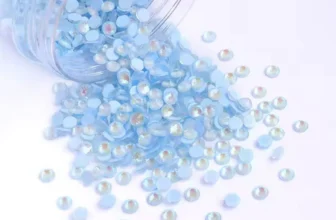

Adding brilliant color and sparkle to nails, clothing, tumblers, shoes, costumes, accessories, and handmade crafts becomes much easier when you have the right decorative stones. Tiffany Blue SS6–SS30 Flatback Rhinestones Non-Hotfix offer U.S. crafters a versatile blue-green embellishment that works for both precision detailing and larger statement designs. The available SS6 through SS30 size range lets creators combine tiny accent stones with larger focal pieces, while the flatback non-hotfix construction allows each rhinestone to be attached with an adhesive appropriate for the project surface.
View Tiffany Blue SS6–SS30 Flatback Rhinestones
For American shoppers searching for Tiffany blue rhinestones, non-hotfix flatback rhinestones, rhinestones for nail art, rhinestones for tumblers, or decorative stones for fashion and DIY projects, understanding size, application method, adhesive compatibility, and layout planning can make a significant difference in the final result.
This complete guide explains how Tiffany-blue flatback rhinestones can be used, what SS6 through SS30 sizing means, how non-hotfix stones differ from hotfix alternatives, which sizes work well for different applications, how to create professional multi-size patterns, and what U.S. buyers should check before ordering.

What Are Tiffany Blue SS6–SS30 Flatback Rhinestones?
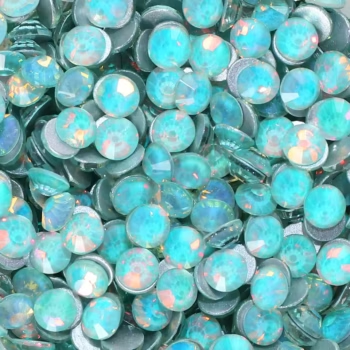
Tiffany Blue SS6–SS30 Flatback Rhinestones Non-Hotfix are decorative stones designed with a faceted top surface and a flat base. The flat bottom allows the rhinestone to sit directly against a compatible surface when attached with glue, gel, or another suitable bonding product.
The color is a distinctive light blue-green tone commonly described as Tiffany blue. It can produce a clean, bright appearance that works particularly well with white, silver, pearl, clear crystal, aqua, pastel, navy, and gold accents.
What Does SS6–SS30 Mean?
The letters “SS” are commonly used in the rhinestone industry to identify stone sizes. As the SS number increases, the stone generally becomes larger. SS6 is approximately 2 mm across, while SS30 is around 6.3–6.5 mm. Measurements can vary slightly by manufacturer, so physical dimensions should always be treated as approximate.
This range gives creators considerable flexibility. Tiny stones work well for precision details, while larger stones can become visual focal points in costumes, footwear, tumblers, bags, and other decorative projects.
Why Multiple Sizes Improve a Design
Using several sizes instead of one can make a rhinestone arrangement look fuller and more dimensional. Larger stones establish the major pattern, medium stones create transitions, and smaller pieces fill the spaces that remain between them.
Understanding Rhinestone Sizes From SS6 to SS30
One of the most important steps when buying rhinestones online is understanding their actual scale. Product photographs are frequently enlarged so shoppers can see facets, color, and surface finish clearly. A small SS6 stone can therefore look much larger on a phone or computer screen than it will in your hand.
Approximate Rhinestone Size Guide
- SS6: approximately 1.9–2.1 mm
- SS8: approximately 2.3–2.5 mm
- SS10: approximately 2.7–2.9 mm
- SS12: approximately 3.0–3.2 mm
- SS16: approximately 3.8–4.0 mm
- SS20: approximately 4.6–4.8 mm
- SS30: approximately 6.3–6.5 mm
These size ranges are useful for planning, but slight production differences can occur between manufacturers and product lines.
SS6 for Fine Details
SS6 is useful when a design requires precision. It can work for delicate nail art, tiny borders, thin lettering, detailed patterns, small gaps, and subtle accents.
Because the stones are so small, a rhinestone picker or wax pencil is usually more practical than trying to position them with fingers.
SS8 and SS10 for Small Decorative Patterns
SS8 and SS10 provide slightly more visible sparkle while remaining small enough for detailed work. These sizes can work well on nail designs, small accessories, bridal projects, costume outlines, logos, and intricate phone-case decorations.
SS12 and SS16 for General Crafting
SS12 and SS16 are useful middle sizes. They are large enough to be easier to position than micro stones but still small enough to create detailed patterns on clothing, accessories, shoes, tumblers, and other projects.
SS20 and SS30 for Statement Sparkle
SS20 and SS30 create stronger visual impact. They can be used as focal stones in large motifs, costumes, footwear, handbag decorations, tumbler designs, stagewear, and larger craft surfaces.
Mix Two or Three Sizes for a Professional Look
A multi-size approach often looks more sophisticated than covering an entire area with one size. Start with the larger focal stones, position medium stones around them, and use the smallest rhinestones to close irregular gaps.

What Does Non-Hotfix Mean for Flatback Rhinestones?
Non-hotfix rhinestones are designed to be attached using separately applied adhesive. Unlike hotfix rhinestones, they do not depend on a heat-activated glue layer on the back.
This makes non-hotfix stones especially versatile for projects where heat is unnecessary or unsuitable. Flatback non-hotfix stones are commonly used on nail art, tumblers, phone cases, accessories, costume pieces, shoes, plastic objects, and other decorative surfaces.
Non-Hotfix Does Not Mean Self-Adhesive
The term “non-hotfix” does not normally mean that the stone will stick by itself. A separate compatible adhesive, nail gel, or other bonding method is generally required.
Why Many DIY Crafters Prefer Non-Hotfix Rhinestones
Non-hotfix stones give the creator control over adhesive choice. This is valuable because a glue that works on fabric may not be ideal for metal, nails, plastic, glass, leather, or coated drinkware.
Always Match the Adhesive to the Surface
The durability of a rhinestone project depends not only on the stone but also on the relationship between the adhesive and the surface. Test a small hidden area before beginning an important project whenever possible.
Tiffany Blue Rhinestones for Nail Art
Nail art is one of the most popular applications for small flatback rhinestones. The Tiffany-blue color can create anything from a minimal accent to an elaborate luxury-inspired manicure.
Best Sizes for Detailed Nail Designs
SS6, SS8, SS10, and SS12 are particularly practical for many nail designs. They provide enough variation to create clusters, borders, geometric arrangements, flowers, lines, and accent patterns without overwhelming the nail surface.
Creating a Rhinestone Cluster
A simple professional-looking technique is to begin with one medium focal stone and arrange progressively smaller stones around it. This reduces empty space and creates a balanced composition.
Full Nail Versus Accent Nail Designs
A full rhinestone nail can create dramatic sparkle, while one or two accent nails can provide a more wearable result. Tiffany blue can be combined with white polish, nude bases, pale pink, silver glitter, or clear crystal stones for contrast.
Use Nail-Safe Products
When applying rhinestones to nails, use products specifically intended for nail applications and follow their instructions. General craft adhesives should not automatically be assumed suitable for skin-adjacent beauty use.
Using Tiffany Blue Rhinestones for Tumblers
Rhinestone tumblers have become a major personalized craft category in the United States. The curved surface allows designers to create monograms, gradients, logos, scattered patterns, and full-coverage arrangements.
Why Mixed Sizes Work Well on Tumblers
A cylindrical surface creates small irregular spaces between stones. Using only large rhinestones may leave visible gaps. Mixing medium and small sizes can make it easier to create more complete coverage.
Structured Row Patterns
A structured design places rhinestones in controlled horizontal or staggered rows. This approach can create a clean geometric appearance and is especially effective when one stone size dominates the project.
Scatter and Bubble Patterns
A scatter or bubble layout uses several sizes to create a more organic arrangement. Larger stones are distributed first, followed by progressively smaller rhinestones.
Keep Decorative Materials Away From Drinking Areas
Rhinestones and adhesive should remain away from rims and areas that directly contact the mouth or beverages. Follow the instructions supplied with the tumbler system and bonding products used.

Tiffany Blue Rhinestones for Costumes and Dancewear
Rhinestones are commonly used in dance, cheer, pageant, theatrical, skating, and stage costumes because faceted stones reflect directional lighting and create movement-dependent sparkle.
Use Larger Stones for Stage Visibility
Small rhinestones may look beautiful when viewed close up but become less noticeable at a distance. SS16, SS20, and SS30 can provide stronger visual highlights on stage costumes, while smaller stones can create borders and transitions.
Build Sparkle Around Movement Areas
Designers often place reflective embellishments around shoulders, sleeves, waistlines, necklines, bodices, and other areas that move under stage lighting.
Combine Sizes for Gradient Effects
A design can transition from large stones near a focal section to smaller stones farther away, producing a fading sparkle effect.
Test Stretch Fabric Before Full Application
Dancewear and performance clothing often stretch significantly. The adhesive must remain compatible with the fabric’s movement, and stone placement should not unnecessarily restrict the garment.
Decorating Shoes With Tiffany Blue Flatback Rhinestones
Custom rhinestone shoes can turn basic footwear into personalized fashion pieces. Sneakers, heels, dance shoes, bridal shoes, and performance footwear can all be decorated selectively.
Begin With Small Accent Areas
You do not need to cover an entire shoe. A heel, toe section, logo, strap, or side panel can provide enough surface area for a noticeable rhinestone accent.
Choose Stone Size Based on Curvature
Tiny curved sections are usually easier to decorate with smaller stones. Broader flat areas can accommodate SS16, SS20, or even SS30 rhinestones.
Consider Flexing and Movement
Shoes bend repeatedly during walking and dancing. Choose an adhesive intended for the shoe material and expected flexibility, and avoid placing rigid decorative clusters where they interfere with normal movement.
Flatback Rhinestones for Handbags and Accessories
Handbags, clutches, belts, hats, hair clips, headbands, jewelry components, and other accessories provide numerous surfaces for rhinestone customization.
Create Monograms and Initials
Small SS6 through SS12 rhinestones can be arranged into initials or short names, especially when the project requires narrow lines.
Build Borders Around Existing Features
Rather than covering an entire accessory, consider decorating around a zipper, clasp, logo area, buckle, or seam.
Use Contrast to Make Tiffany Blue Stand Out
Tiffany-blue stones can create striking contrast on black, white, navy, silver, or metallic accessories.

Tiffany Blue Rhinestones for Bridal and Wedding Crafts
Blue accents can fit naturally into wedding styling, making Tiffany-blue-inspired rhinestones useful for bridal accessories and event decorations.
Bridal Shoe Decoration
White or ivory shoes can be accented with blue stones for a subtle personalized detail. Smaller rhinestones can create delicate borders, while larger stones provide focal points.
Hair Accessories and Combs
Hair clips, bridal combs, and decorative pins can incorporate Tiffany blue alongside clear crystals and pearl details.
Wedding Favors and Decor
Flatback rhinestones can also be used on favor boxes, invitation boxes, table-number frames, decorative initials, photo props, and selected centerpiece elements.
Pair Tiffany Blue With Neutral Colors
White, ivory, pearl, silver, clear crystal, and soft metallic shades can help keep the blue-green accent elegant rather than overwhelming.
Using Rhinestones on Phone Cases
Phone cases are ideal for detailed rhinestone work because they provide a compact surface that can be transformed without requiring an enormous quantity of stones.
Use SS6 Around Camera Areas
Small rhinestones make it easier to work around narrow spaces near camera modules and curved openings.
Use Larger Stones in Open Areas
The center and lower back portions of many cases provide enough space for medium or large rhinestones.
Do Not Cover Functional Openings
Keep adhesive and stones away from speakers, microphones, ports, buttons, lenses, flashes, sensors, and ventilation areas.
How to Apply Non-Hotfix Flatback Rhinestones
Successful rhinestone work depends heavily on preparation and placement. Working slowly usually creates a cleaner result than trying to cover a large area quickly.
Step 1: Clean the Surface
Remove dust, oils, grease, and loose residue. The required cleaning method depends on the project material.
Step 2: Plan the Pattern
Before using adhesive, arrange part of the design dry or sketch the layout. This helps determine whether the selected rhinestone sizes fit the available space.
Step 3: Apply a Controlled Amount of Adhesive
Use enough adhesive to create secure contact without allowing excessive glue to spread around the stone.
Step 4: Position the Rhinestone
Use a rhinestone picker, wax pencil, tweezers, or another precision tool to place each stone accurately.
Step 5: Adjust Before the Adhesive Sets
If the adhesive allows repositioning, make final alignment corrections before curing begins.
Step 6: Allow Complete Curing
Follow the adhesive manufacturer’s instructions for curing time. An adhesive may feel dry before reaching its strongest bond.
Test First on Valuable Items
If the project involves expensive shoes, costumes, accessories, electronics cases, or custom drinkware, test the complete application method on a sample or hidden area first.
Non-Hotfix Versus Hotfix Rhinestones
Both formats can produce beautiful decorative results, but their application methods are different.
Hotfix Rhinestones
Hotfix stones include heat-activated adhesive on the back. They are applied using controlled heat and are commonly associated with compatible textiles.
Non-Hotfix Rhinestones
Non-hotfix stones require separately applied adhesive. This allows them to be used on many surfaces where heating would not be practical.
Does the SS Size System Change?
No. The same general SS size system is used for both hotfix and non-hotfix rhinestones; the attachment method is what changes.
Which Type Is Better?
Neither type is universally superior. Non-hotfix stones are particularly useful for nails and many hard-surface projects, while hotfix rhinestones can be convenient for compatible fabric applications.
How to Design a Multi-Size Rhinestone Pattern
A polished multi-size pattern usually follows a visual hierarchy rather than distributing every size randomly.
Place Large Focal Stones First
Begin with SS20 or SS30 stones where you want the strongest sparkle.
Add Medium Stones Around Them
SS12 and SS16 can create transitions between large focal pieces.
Fill Small Spaces With SS6 and SS8
The smallest sizes can close irregular gaps and create a more finished surface.
Step Back and Review the Design
Periodically view the project from farther away. This makes it easier to see uneven density or areas where too many large stones are concentrated.

How Many Rhinestones Will You Need?
The number of stones required depends on their diameter, the size of the project, the spacing between stones, and whether the design uses full coverage or scattered embellishment.
Small Stones Require Larger Quantities
SS6 stones cover significantly less surface area than SS20 or SS30 stones. A full-coverage design using very small stones can therefore require hundreds or thousands of pieces.
Estimate With a Test Section
Create a one-inch or similarly measured sample using the planned layout. Count how many rhinestones are required, then multiply that number according to the overall project area.
Published planning guides also recommend adding extra stones to account for sorting loss, mistakes, replacements, and repairs.
Always Keep Some Spare Stones
Keeping leftover stones from the original batch is particularly helpful if you need to repair the project later, because matching an exact color from a future batch may be more difficult.
Tools That Make Rhinestone Projects Easier
Wax Pencil or Rhinestone Picker
These tools are especially helpful for SS6 and SS8 stones, which can be frustrating to handle with fingers.
Precision Tweezers
Tweezers can help rotate, reposition, or remove rhinestones while working.
Sorting Trays
A shallow tray can help keep sizes separate and make it easier to pick stones quickly.
Fine Adhesive Applicator
A precision applicator can reduce excess glue and improve control around small areas.
Bright Task Lighting
Good lighting makes it easier to see spacing, adhesive overflow, and small differences between rhinestone sizes.
Organize Tools Before Applying Glue
Adhesive curing time can limit how long you have to position stones. Having everything ready beforehand helps maintain a consistent workflow.
How to Store Tiffany Blue Flatback Rhinestones
Good storage prevents different sizes from becoming mixed and protects unused stones from dust and contamination.
Use Labeled Containers
Store SS6, SS8, SS10, SS12, SS16, SS20, and SS30 stones in clearly labeled compartments.
Keep the Containers Closed
Small rhinestones can scatter easily if a tray or container is knocked over.
Store Away From Adhesive Residue
Keeping unused stones clean helps maintain their appearance and makes future application easier.
Keep Rhinestones Away From Young Children
Loose rhinestones are small parts and can present a choking hazard. Store them securely away from young children and pets.
How to Care for Rhinestone-Decorated Projects
Care depends heavily on the item and the adhesive used. A rhinestone phone case, dance costume, nail design, and decorated tumbler do not share identical maintenance requirements.
Avoid Picking at Stone Edges
Repeatedly catching or lifting stone edges can weaken the bond.
Use Gentle Cleaning Methods
Harsh scrubbing can place stress on the adhesive and rhinestones.
Follow Adhesive Instructions
If the bonding product specifies water restrictions, temperature limits, washing requirements, or curing times, follow those instructions.
Repair Loose Stones Early
A single loose stone is usually easier to repair than a larger section after several stones have detached.

Popular Tiffany Blue Rhinestone Project Ideas
The SS6–SS30 size range makes these flatback rhinestones suitable for a wide variety of creative ideas.
- Nail art and luxury manicures
- Bridal nail designs
- Rhinestone tumblers
- Phone cases
- Custom sneakers
- High heels
- Dance costumes
- Cheer uniforms
- Pageant wear
- Figure-skating costumes
- Handbags and clutches
- Hair accessories
- Headbands
- Wedding favor boxes
- Photo frames
- Decorative initials
- Personalized gift boxes
- Stage props
- Keychains
- Craft signs
- Jewelry components
- Festival accessories
- Prom accessories
- DIY home decor accents
What USA Buyers Should Check Before Ordering
Product titles can contain many specifications, so buyers should confirm exactly which variation is selected before checkout.
Verify the SS Size
Make sure the selected size is appropriate for the intended project. SS6 and SS30 have dramatically different physical dimensions.
Check Whether You Receive One Size or a Mix
A title containing “SS6–SS30” can indicate the available size range rather than automatically guaranteeing that every size is included in one package. Review the variation and package details carefully.
Confirm Non-Hotfix Construction
If you intend to use glue, confirm that the selected stones are non-hotfix.
Check Package Quantity
The number of pieces included can vary according to stone size and seller packaging.
Review Color Photos
Screen brightness, monitor settings, photography lighting, and surrounding colors can influence how Tiffany blue appears online.
Order a Test Quantity for Color-Critical Projects
If you are matching wedding decor, uniforms, branded colors, or a large commercial project, testing the actual rhinestones first can reduce the risk of color mismatch.
Common Mistakes When Using Flatback Rhinestones
Choosing Stones Based Only on Online Photos
Always check the approximate millimeter measurement because photographs may be enlarged.
Using Too Much Adhesive
Excess glue may spread around the rhinestone and reduce the clean appearance of the finished design.
Skipping Surface Preparation
Oil, dust, loose coatings, and residue can reduce adhesion.
Using the Same Glue on Every Material
An adhesive that works well on one surface may perform poorly on another.
Handling the Project Too Soon
Allow the full curing time recommended by the adhesive manufacturer.
Starting With Tiny Stones on a Large Project
For mixed-size designs, place the main focal stones first and fill smaller spaces afterward.
Forgetting to Buy Extra Rhinestones
Extra stones are useful for mistakes, lost pieces, pattern adjustments, and future repairs.
Frequently Asked Questions About Tiffany Blue Flatback Rhinestones
What are Tiffany Blue SS6–SS30 Flatback Rhinestones?
They are decorative flatback rhinestones offered across multiple SS sizes and designed for adhesive-based, non-hotfix application.
What does SS6 mean?
SS6 is a small rhinestone size measuring approximately 2 mm in diameter.
What does SS30 mean?
SS30 refers to a significantly larger rhinestone, commonly measuring around 6.3–6.5 mm.
Are these rhinestones hotfix?
No. The product is identified as non-hotfix, meaning a compatible adhesive or bonding system is required for application.
Can I use these rhinestones on nails?
Small flatback stones are commonly used in nail art when applied with a nail-compatible product.
Which sizes work best for nail art?
SS6 through SS12 are especially practical for precision nail designs, while larger sizes can be used as statement accents.
Can these rhinestones be used on fabric?
Yes, non-hotfix stones can be used on compatible fabrics when attached with an adhesive suitable for that textile and its expected movement.
Can I put them on shoes?
Yes. Shoe decoration is a common rhinestone application, but the adhesive should be compatible with the footwear material and flexibility.
Can I use these rhinestones on tumblers?
Yes. Flatback rhinestones are commonly used in personalized tumbler designs. Keep decorative materials away from drinking-contact areas.
Can I use multiple SS sizes in one project?
Yes. Mixing several sizes often produces a more dimensional and polished result.
What tools are useful for SS6 rhinestones?
A wax pencil, rhinestone picker, precision tweezers, sorting tray, and fine adhesive applicator can make small-stone work easier.
Can I use ordinary household glue?
The better approach is to select an adhesive specifically suitable for both the rhinestone backing and the material being decorated.
Do non-hotfix rhinestones come with adhesive already applied?
Traditional non-hotfix flatbacks require separate glue or another compatible bonding product.
Should I keep extra stones after finishing the project?
Yes. Spare rhinestones make later repairs much easier and increase the likelihood that replacement stones will match the original color and size.
Why Tiffany Blue SS6–SS30 Rhinestones Offer Creative Flexibility
The main strength of the SS6–SS30 range is versatility. A single decorative concept can be scaled from extremely fine detail to bold statement embellishment.
SS6 and SS8 stones can create outlines, nail details, lettering, narrow borders, and gap filling. Medium sizes such as SS10, SS12, and SS16 provide general-purpose sparkle. SS20 and SS30 can create stronger focal areas and remain visually noticeable from farther away.
This allows creators to build visual hierarchy without changing the primary color. Instead of relying on several unrelated colors, size variation alone can create depth and movement.
Small Stones Create Precision
Detailed designs benefit from the control offered by smaller rhinestones. Curved lines, initials, compact motifs, and nail art can be difficult to execute with oversized stones.
Large Stones Create Impact
Larger rhinestones attract attention quickly and can reduce the number of individual stones required to establish major design areas.
Mixed Sizes Bring the Two Approaches Together
Combining small and large rhinestones produces both detail and visual impact, which is why mixed-size layouts are popular in costumes, tumblers, shoes, and luxury-inspired craft projects.

Final Thoughts on Tiffany Blue SS6–SS30 Flatback Rhinestones
Tiffany Blue SS6–SS30 Flatback Rhinestones Non-Hotfix give American crafters, nail artists, costume designers, DIY enthusiasts, and personalization businesses a flexible way to add blue-green sparkle to a wide range of projects.
The non-hotfix format is particularly useful because it lets the creator choose a bonding method according to the surface. This makes the stones relevant for nails, phone cases, tumblers, accessories, costumes, footwear, bridal crafts, and many other decorative applications.
The SS6–SS30 range is equally valuable. SS6 provides fine precision at approximately 2 mm, while SS30 delivers a much more noticeable focal stone at roughly 6.4 mm. The sizes between them make it possible to build smooth visual transitions and fill irregular spaces.
For best results, plan your design before applying adhesive, place larger focal stones first, use medium sizes to build the main pattern, and finish with smaller rhinestones to close the remaining gaps. Keep your stones organized by size and maintain a small reserve for future repairs.
U.S. shoppers should also verify the selected size, package quantity, non-hotfix format, and exact variation before ordering. If color matching is critical, consider testing the actual stones before starting a large wedding, costume, branded, or commercial project.
View Tiffany Blue Flatback Rhinestones Product Details
Whether you are creating a detailed manicure, a sparkling tumbler, custom footwear, a stage costume, a bridal accessory, or a personalized gift, Tiffany blue flatback rhinestones provide the flexibility to combine precision, color, and eye-catching sparkle in one creative project.