
Decorative rhinestones can turn an ordinary manicure, garment, tumbler, costume, shoe, accessory, or handmade project into something visually distinctive. Tiffany Blue SS6–SS30 Flatback Rhinestones Non-Hotfix are especially appealing to U.S. nail artists, fashion decorators, costume designers, bridal crafters, tumbler makers, and DIY enthusiasts who want a fresh blue-green color combined with flexible stone sizing. With sizes ranging from small precision rhinestones to larger statement pieces, these flatback stones can support both highly detailed designs and bold decorative layouts.
View Tiffany Blue SS6–SS30 Flatback Rhinestones
Unlike hotfix rhinestones that rely on a heat-activated adhesive layer, non-hotfix flatback rhinestones are normally positioned with a separate compatible adhesive or application product. This gives creators more flexibility when decorating surfaces where direct heat is not practical, including nails, accessories, phone cases, footwear, craft projects, costume details, and many other items.
For shoppers in the United States searching for Tiffany blue rhinestones, flatback rhinestones for nails, non-hotfix rhinestones, rhinestones for crafts, blue rhinestones for wedding dresses, or decorative stones for custom fashion, understanding size, placement, surface preparation, and application method can help produce cleaner and more durable-looking results.
This comprehensive guide explores the SS6–SS30 sizing system, creative applications, bridal and wedding uses, nail-art techniques, costume decoration, adhesive considerations, layout planning, storage, maintenance, and important factors U.S. shoppers should review before ordering.

What Are Tiffany Blue SS6–SS30 Flatback Rhinestones?
Tiffany Blue SS6–SS30 Flatback Rhinestones Non-Hotfix are decorative stones with a faceted front surface and a flat rear surface designed to sit against another material. Their flatback construction makes individual placement possible, allowing creators to build borders, patterns, clusters, gradients, lettering, motifs, scattered sparkle, and complete rhinestone-covered surfaces.
The listed color falls within the familiar light blue-green or turquoise family often described as Tiffany blue. This shade can be particularly effective in spring designs, bridal accessories, wedding decorations, summer crafts, nail art, birthday gifts, dancewear, and personalized fashion projects.
What Does Non-Hotfix Mean?
Non-hotfix refers to the application method. These stones are intended for adhesive-based placement rather than relying on an integrated heat-activated glue layer.
This distinction matters because a creator can choose an adhesive based on the actual project surface. Nail applications, fabric, metal, plastic, glass, leather, coated tumblers, shoes, and other materials can require different bonding approaches.
Non-Hotfix Rhinestones Are Not Automatically Self-Adhesive
Unless a specific variation is explicitly described as self-adhesive, non-hotfix rhinestones generally require a separate compatible glue, gel, or bonding product. Buyers should not expect loose non-hotfix flatbacks to behave like peel-and-stick craft gems.
Understanding the SS6–SS30 Rhinestone Size Range
SS sizing is commonly used to describe round rhinestone dimensions. In general, the higher the SS number, the larger the rhinestone. Understanding the approximate physical size is important because product photographs are often enlarged dramatically to make facets and colors visible.
Approximate SS Size Guide
- SS6: approximately 2.0 mm
- SS8: approximately 2.4 mm
- SS10: approximately 2.8 mm
- SS12: approximately 3.1–3.2 mm
- SS16: approximately 4.0 mm
- SS20: approximately 4.8 mm
- SS30: approximately 6.4 mm
These measurements should be treated as general references because exact dimensions can vary slightly between manufacturers and rhinestone collections.
Why SS6 Is Useful
SS6 is a very small decorative size. It can be particularly useful for nail-art details, thin borders, tiny lettering, miniature motifs, delicate costume work, and filling small spaces between larger rhinestones.
Why Mid-Sized Rhinestones Are Versatile
SS10, SS12, and SS16 provide a useful middle ground. They are easier to handle than very tiny stones while still allowing detailed patterns. These sizes can work well on accessories, garments, handbags, shoes, tumblers, phone cases, and costume designs.
Why SS20 and SS30 Create Stronger Impact
Larger stones occupy more visual space and can reflect light across a wider faceted surface. They can become focal points in bridal accessories, performance costumes, decorated shoes, bags, tumblers, and large craft projects.
Mixing Sizes Creates More Dimension
One of the strongest advantages of having access to SS6 through SS30 is the ability to mix sizes. Large stones can establish the main pattern, medium rhinestones can create transitions, and small stones can close gaps between them.

Why Tiffany Blue Rhinestones Work for USA Craft Trends
Blue-green shades can work across several design styles because they can look soft, refreshing, elegant, tropical, playful, or luxurious depending on the surrounding colors.
Pair Tiffany Blue With White
White and Tiffany blue create a clean combination that works particularly well for bridal accessories, spring decorations, nail art, gift boxes, and personalized event pieces.
Pair Tiffany Blue With Silver
Silver can strengthen the cool-toned appearance of light blue rhinestones. This combination can look attractive on costumes, handbags, stage accessories, nails, and formal decorations.
Pair Tiffany Blue With Clear Crystal Accents
Mixing blue and clear rhinestones can create additional visual movement without adding an unrelated color. Clear stones can separate or highlight sections of a larger blue arrangement.
Pair Tiffany Blue With Pearls
Pearls and blue rhinestones can create an elegant bridal-inspired combination. This palette may work particularly well on hair accessories, bridal shoes, decorative clutches, invitation boxes, and wedding favors.
Use Gold for Stronger Contrast
Warm metallic gold can contrast strongly with a cool blue-green stone color, producing a more dramatic and jewelry-inspired appearance.
Tiffany Blue Flatback Rhinestones for Nail Art
Nail art is one of the most natural uses for small non-hotfix flatback rhinestones because the artist can position individual stones precisely.
Best Sizes for Everyday Nail Designs
SS6, SS8, SS10, and SS12 are useful for many manicures because they are relatively compact. Nail artists can use them for borders, cuticle-area decoration, tiny flowers, geometric patterns, lines, clusters, or individual accents.
Creating a Rhinestone Nail Cluster
A common design approach is to choose one larger focal rhinestone and surround it with progressively smaller stones. This gives the cluster a defined center while reducing empty spaces around the main accent.
Using Larger Stones for Statement Nails
SS16, SS20, or larger sizes can be used selectively on long or highly decorative nail sets. Instead of covering every nail with large stones, a single statement nail can provide contrast.
Use Products Designed for Nail Applications
When placing rhinestones on artificial nails or nail enhancements, use an application product intended for nail use and follow the manufacturer’s directions. A general household craft glue should not automatically be considered appropriate for nail-related work.
Using Blue Rhinestones for Wedding Dresses
Blue rhinestone embellishments can provide elegant visual inspiration for wedding dresses and bridal fashion. They can be used subtly or dramatically depending on dress style, fabric, placement, and the bride’s preferred color palette.
Create a Subtle Blue Accent
A small concentration of blue rhinestones around a waistline, neckline, cuff, sash, or decorative motif can introduce color without changing the overall white or ivory character of a wedding dress.
Combine Blue With Clear Rhinestones
Instead of building a completely blue arrangement, designers can mix clear or neutral stones around selected blue accents. This can help the blue details remain distinctive without dominating the entire design.
Consider the Viewing Distance
Tiny rhinestones may look impressive close up, while larger stones can create stronger highlights when viewed from several feet away. Wedding photos, reception lighting, and aisle distance can all influence how decorative sparkle is perceived.
Always Test Embellishment Methods on Fabric First
Wedding garments can use delicate textiles, coatings, embroidery, lace, mesh, or stretch materials. Any adhesive-based rhinestone method should be tested on matching scrap material or an inconspicuous section before extensive application.

Rhinestones for Bridal Accessories
A wedding dress is only one place where blue rhinestones can be incorporated. Accessories often provide an easier way to introduce distinctive color and sparkle.
Bridal Shoes
White, ivory, silver, or neutral bridal shoes can be personalized with blue rhinestone accents. Smaller stones can outline straps and seams, while larger pieces can create decorative focal areas.
Hair Combs and Hair Clips
Blue stones can be combined with pearls, metallic elements, flowers, or clear crystals on bridal hair accessories.
Wedding Clutches
A small clutch provides a relatively flat decorative surface where rhinestones can be arranged into initials, borders, floral designs, or scattered patterns.
Bouquet Accessories
Decorative handles, charms, ribbons, or non-floral bouquet accessories can sometimes incorporate rhinestone accents.
Consider the Entire Bridal Color Palette
Before adding blue rhinestones to several accessories, consider how they coordinate with jewelry, shoes, flowers, dress embellishment, bridesmaid colors, and overall wedding decor.
Tiffany Blue Rhinestones for Wedding Decor
Wedding and reception crafts can also incorporate flatback rhinestones, especially when Tiffany blue is part of the event color palette.
Invitation and Gift Boxes
Decorative boxes can be customized with rhinestone initials, borders, monograms, or small motifs.
Table Number Frames
A simple frame can become more formal when selected areas are decorated with blue and clear rhinestones.
Wedding Favor Packaging
Small rhinestone accents can be used on appropriate packaging surfaces to coordinate favors with the event’s main color scheme.
Avoid Overdecorating Every Surface
Rhinestones create the strongest impact when they are used intentionally. Combining heavily decorated invitations, boxes, centerpieces, signs, and favors can make a coordinated event feel visually crowded.
Using Non-Hotfix Rhinestones on Costumes
Dance costumes, cheer uniforms, stage outfits, pageant wear, skating costumes, and theatrical garments commonly use reflective embellishments because movement and stage lighting emphasize sparkle.
Choose Size According to Distance
Small stones provide detailed texture when viewed nearby. Larger stones are often easier to notice from a stage or audience area.
Place Rhinestones Around Movement Areas
Shoulders, sleeves, waistlines, bodices, necklines, and skirt sections can create dynamic sparkle when the garment moves.
Create a Gradient
A pattern can start with larger stones around a focal area and gradually transition to smaller pieces. This creates a dispersed effect while maintaining the same basic color family.
Stretch Fabric Requires Additional Planning
Rhinestones placed too densely on highly flexible material can interfere with stretch or place stress on the bond. Test the arrangement while the fabric is positioned similarly to how it will be worn.

Tiffany Blue Rhinestones for Tumblers
Rhinestone tumblers remain a popular personalization project because the cylindrical shape can support full coverage, monograms, logos, color blocks, gradients, and scattered designs.
Use Large Stones to Establish the Pattern
When creating a mixed-size tumbler, position the largest rhinestones first. This determines the overall balance and makes it easier to distribute major focal points evenly.
Add Medium Sizes
Medium rhinestones can fill the larger gaps between focal stones while maintaining visual rhythm.
Finish With SS6 or SS8
The smallest stones can be useful for narrow irregular spaces where a larger rhinestone would not fit comfortably.
Keep Rhinestones Away From Drinking Surfaces
Decorative stones and adhesives should remain away from the rim, mouth-contact areas, and interior beverage surfaces. Follow the instructions for the tumbler and bonding system used.
Using Tiffany Blue Rhinestones on Shoes
Shoes offer another creative surface for rhinestone customization. Sneakers, bridal heels, performance shoes, dance footwear, and fashion shoes can all incorporate selected rhinestone details.
Decorate the Heel
A heel section can provide a strong focal area without requiring full-shoe coverage.
Outline Existing Design Details
Instead of inventing a completely new pattern, creators can follow seams, logos, straps, or decorative panels already present on the shoe.
Use Small Stones on Curves
Smaller rhinestones can follow tight curves and narrow sections more easily than large stones.
Account for Shoe Flexibility
Footwear bends repeatedly during normal movement. Avoid creating thick, rigid clusters in areas that must flex significantly, and select a bonding method compatible with the shoe material.
Rhinestone Handbags, Clutches, and Fashion Accessories
A blue rhinestone pattern can also transform handbags, belts, hats, headbands, hair clips, keychains, decorative jewelry components, and other fashion accessories.
Create Initials or Monograms
Small stones work especially well for lettering because they can follow narrow curves and corners more accurately.
Highlight Hardware
Rhinestones can be arranged around buckles, clasps, zipper areas, and other existing design details.
Create Color-Block Sections
Instead of decorating an entire accessory, one panel or selected area can be covered with blue stones for contrast.
Coordinate With Existing Materials
Consider whether the accessory uses silver-tone, gold-tone, black, white, or colored hardware before deciding whether to combine blue rhinestones with additional colors.

How to Apply Non-Hotfix Flatback Rhinestones
The exact application process varies according to the surface and adhesive, but careful preparation is essential for most projects.
Step 1: Clean the Surface
Dust, oil, grease, loose fibers, and residue can interfere with adhesion. Prepare the surface according to its material and the instructions provided with the bonding product.
Step 2: Plan the Pattern
Sketch the design or dry-position several stones before introducing glue. This helps confirm spacing and prevents discovering too late that a particular stone size does not fit.
Step 3: Apply Adhesive Carefully
Use a controlled amount. Too much can spread visibly around the rhinestone, while too little may reduce the available bonding area.
Step 4: Pick Up the Rhinestone
A wax pencil, rhinestone picker, precision tweezer, or similar tool can improve placement accuracy.
Step 5: Position the Flatback
Lower the stone into place rather than sliding it through excess adhesive. Adjust alignment before the bonding product begins to set.
Step 6: Allow Full Curing
A project should not be washed, stretched, worn aggressively, or handled extensively until the bonding product has reached its specified cure time.
Practice Before Working on Expensive Items
If you are decorating bridal shoes, a formal dress, expensive accessories, or custom products for a client, practice the complete method on a sample material first.
Non-Hotfix Versus Hotfix Rhinestones
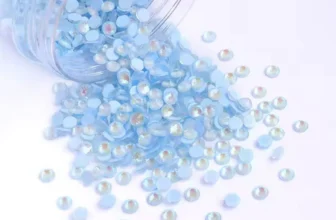
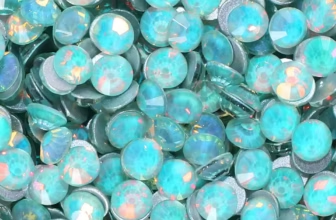
The images included in this article provide blue rhinestone design inspiration, but it is important to understand that hotfix and non-hotfix stones use different attachment methods.
How Hotfix Rhinestones Work
Hotfix rhinestones normally incorporate a heat-activated backing. They are intended to bond to compatible material when the appropriate temperature and application method are used.
How Non-Hotfix Rhinestones Work
Non-hotfix flatbacks require an independently selected adhesive or compatible application product.
Why Non-Hotfix Can Be More Flexible
Because the bonding product is selected separately, non-hotfix stones can be useful for nails, phone cases, hard accessories, tumblers, certain shoes, craft materials, and other surfaces where heat application may not be appropriate.
Do Not Apply One Method as Though It Were the Other
Always confirm whether your selected stones are hotfix or non-hotfix before starting. Their similar appearance from the front does not mean they use the same installation process.

How to Create a Professional Multi-Size Rhinestone Pattern
A mixed-size layout can look random while still following a deliberate design structure.
Start With the Largest Rhinestones
Place large focal stones first and distribute them across the project. Avoid concentrating every large rhinestone in one section unless that is part of the design.
Add Mid-Sized Stones
Use intermediate sizes to connect focal stones and reduce large areas of empty space.
Add Small Stones Last
SS6 and SS8 can fill the smallest gaps and create a denser finish.
Maintain Visual Balance
Compare different parts of the design periodically. One area should not unintentionally contain significantly more large stones than another unless the pattern specifically calls for that imbalance.
Step Away From the Project
Viewing a design from farther away can reveal uneven distribution that may be difficult to notice when working very close to the surface.
Tools That Make Rhinestone Work Easier
A few inexpensive tools can make detailed rhinestone placement much easier.
Wax Pencil or Rhinestone Picker
A pickup tool is especially useful for SS6 and other small stones that are difficult to handle with fingers.
Precision Tweezers
Tweezers can rotate, reposition, separate, or remove individual rhinestones.
Sorting Tray
A shallow tray or organizer helps keep colors and sizes separate during the project.
Fine Adhesive Applicator
A controlled applicator can help reduce excessive glue around small stones.
Bright Task Lighting
Strong lighting makes it easier to see tiny gaps, alignment, excess adhesive, and differences between similar sizes.
Prepare All Tools Before Opening the Adhesive
Once application begins, you may need to work within the bonding product’s open time. Preparing tools first helps avoid interruptions.

Estimating How Many Rhinestones You Need
The number of rhinestones needed depends on the size of each stone, the project surface area, spacing, pattern density, and whether you are creating full coverage or selected accents.
Smaller Rhinestones Require More Pieces
SS6 covers much less surface area than SS30. A project completed primarily with tiny stones can require many more individual pieces.
Create a Test Area
Build a small measured section using the planned pattern. Count how many rhinestones fit within that area and use it to estimate the larger project.
Account for Mixed Sizes
Mixed-size layouts can be harder to calculate mathematically because different pieces occupy different amounts of space. A physical test section is often the easiest planning method.
Buy Extra for Repairs and Mistakes
Keeping additional stones from the original batch can be helpful if rhinestones are dropped, damaged, misplaced, or need replacement later.
How to Store Flatback Rhinestones
Proper organization becomes increasingly important when a collection includes multiple SS sizes.
Use Separate Compartments
Store each size independently so SS6 does not become mixed with SS8, SS10, or larger stones.
Label Every Container
Clear labels reduce the need to measure stones again each time you begin a project.
Keep Rhinestones Dry and Clean
Protect unused stones from dust, grease, adhesive residue, and unnecessary moisture.
Keep Small Parts Away From Children
Loose rhinestones are small components that can create a choking hazard. Store them securely away from young children and pets.
How to Care for Rhinestone-Decorated Items
The correct care method depends heavily on the decorated object and bonding system.
Avoid Pulling at Stone Edges
Repeatedly catching rhinestones on other objects can gradually weaken their attachment.
Clean Gently
Harsh scrubbing can place unnecessary stress on both the rhinestones and adhesive.
Respect the Cure Time
An adhesive can feel dry before it reaches full strength. Avoid heavy use before the manufacturer-specified cure period has passed.
Repair Loose Rhinestones Promptly
Replacing one lifting stone early is usually easier than repairing a larger section after neighboring stones begin detaching.

Popular Projects for Tiffany Blue Flatback Rhinestones
The combination of a blue-green color and broad SS size range supports many creative applications.
- Nail art and manicures
- Bridal nail designs
- Wedding dresses
- Bridal shoes
- Wedding clutches
- Hair accessories
- Dance costumes
- Pageant outfits
- Cheer uniforms
- Stage clothing
- Figure-skating costumes
- Custom sneakers
- High heels
- Handbags
- Belts
- Headbands
- Rhinestone tumblers
- Phone cases
- Gift boxes
- Wedding favors
- Photo frames
- Decorative initials
- Personalized signs
- Craft boxes
- Event decorations
- Prom accessories
- Festival accessories
- Jewelry-making projects
- DIY gifts
- Mixed-media art
Common Rhinestone Decorating Mistakes
Choosing Size From Photos Alone
Online photographs are often magnified. Check approximate millimeter dimensions instead of relying only on how large a stone appears on screen.
Applying Too Much Adhesive
Glue that spreads beyond the rhinestone edges can make an otherwise precise design look messy.
Skipping Surface Preparation
Dust, oil, coatings, and loose residue can interfere with the bond.
Using One Adhesive for Every Project
Materials have different properties. A method suited to fabric may not be ideal for nails, metal, plastic, leather, glass, or coated objects.
Starting With Small Stones First
When building a mixed-size design, positioning all tiny rhinestones first can leave insufficient room for the larger focal pieces.
Not Keeping Spare Rhinestones
Saving extra stones from the original batch can simplify repairs and maintain better color consistency.
What U.S. Buyers Should Check Before Ordering
Before purchasing Tiffany Blue SS6–SS30 Flatback Rhinestones Non-Hotfix online, review the selected product variation carefully.
Confirm the Size
SS6 and SS30 differ significantly. Make sure the selected size matches the intended design.
Check Whether the Package Is Mixed or Single Size
A product title mentioning SS6–SS30 may represent an available size range rather than guaranteeing that every size is included together.
Confirm Non-Hotfix Format
Make sure the selected product matches the intended adhesive-based application method.
Check Package Quantity
Different sizes can be packaged in different quantities, so review the actual selected variation rather than assuming every option includes the same number of stones.
Consider Screen Color Differences
Blue-green shades may appear somewhat different across monitors, smartphones, lighting conditions, and photography setups.
Consider a Sample for Color-Critical Projects
For bridal orders, commercial products, large costume projects, or coordinated events, testing the actual stone color before committing to a large quantity can reduce the risk of mismatch.

Frequently Asked Questions About Tiffany Blue Rhinestones
What are Tiffany Blue SS6–SS30 flatback rhinestones?
They are decorative flatback rhinestones offered across a range of sizes from small precision stones through larger statement pieces.
What does non-hotfix mean?
Non-hotfix means the rhinestones use a separately selected adhesive or compatible bonding product rather than relying on heat activation.
How large is SS6?
SS6 is commonly around 2 mm in diameter, although exact measurements can vary slightly between manufacturers.
How large is SS30?
SS30 is commonly around 6.4 mm in diameter and provides substantially more visual impact than SS6.
Can Tiffany blue rhinestones be used for nails?
Yes. Smaller flatback rhinestones can work well in nail art when used with products specifically intended for nail applications.
Can non-hotfix rhinestones be used on wedding dresses?
They can potentially be attached to compatible textiles using an appropriate bonding system. Always test the fabric and adhesive combination before applying rhinestones extensively to a valuable garment.
Can they be used on bridal shoes?
Yes, depending on the footwear material and bonding product. Remember that shoes flex during use.
Can I decorate a tumbler with them?
Flatback rhinestones are commonly used in decorative tumbler projects. Keep rhinestones and bonding products away from mouth-contact and beverage-contact areas.
Can these rhinestones be used on phone cases?
Yes, provided the case material is compatible with the selected adhesive. Avoid blocking cameras, buttons, speakers, microphones, ports, and other functional areas.
Should I mix different sizes?
Mixing sizes can create more visual depth and makes it easier to fill irregular spaces.
Which sizes are best for nail art?
SS6 through SS12 are particularly useful for many detailed nail designs, while larger stones can serve as focal accents.
Which sizes are best for dresses and costumes?
It depends on the design and viewing distance. Larger rhinestones provide stronger visibility, while smaller stones create refined details and transitions.
Do I need a heat press?
Not for a non-hotfix product. Non-hotfix rhinestones are normally attached using a compatible adhesive or other non-heat bonding method.
Can I use household glue?
It is better to choose a bonding product that specifically matches both the rhinestone backing and the surface being decorated.
How should I pick up SS6 rhinestones?
A wax pencil or dedicated rhinestone pickup tool can make small stones much easier to handle.
Should I order extra rhinestones?
Yes. Extra pieces can cover project-planning changes, dropped stones, mistakes, and later repairs.
Why the SS6–SS30 Range Gives Creators More Flexibility
The ability to work with multiple sizes is one of the strongest reasons to choose a broad rhinestone range. Different projects require different levels of visual scale.
Small stones can follow fine lettering, thin borders, curves, nail-art patterns, and miniature decorative motifs. Medium sizes can provide general coverage across accessories, clothing, tumblers, and footwear. Large stones can establish focal areas and deliver stronger sparkle from a greater viewing distance.
Precision Comes From Smaller Sizes
SS6 and SS8 are useful wherever accuracy and tight spacing matter more than individual visual impact.
Medium Sizes Balance Coverage and Detail
SS10 through SS16 can be practical for general craft work because they remain relatively easy to position while covering more surface than tiny stones.
Larger Sizes Create Visual Anchors
SS20 and SS30 can serve as centerpieces around which smaller rhinestones are arranged.
Multi-Size Designs Can Look More Organic
A varied-size rhinestone layout can create a softer and more organic visual texture than rigid rows of identical stones, especially in scattered, bubble, floral, and gradient patterns.

Final Thoughts on Tiffany Blue SS6–SS30 Flatback Rhinestones
Tiffany Blue SS6–SS30 Flatback Rhinestones Non-Hotfix provide U.S. crafters with a flexible decorative option for nail art, fashion accessories, wedding projects, costumes, footwear, tumblers, phone cases, personalized gifts, and other creative applications.
The non-hotfix format gives creators control over the bonding method, which can be valuable when working with surfaces where heat is inconvenient or inappropriate. Instead of depending on a heat-activated backing, the user can select an adhesive or application product suitable for the specific material.
The SS6–SS30 range also makes the product adaptable to very different design scales. Small stones can create precision, intermediate sizes can establish the main structure of a pattern, and large rhinestones can introduce stronger visual focal points.
For wedding and bridal projects, Tiffany-blue-inspired rhinestones can complement white, ivory, silver, pearl, clear crystal, and neutral palettes. They can be used selectively on compatible dresses, shoes, clutches, hair accessories, gift boxes, favors, and event decorations.
For nail artists, smaller flatbacks can create borders, clusters, flowers, geometric designs, and accent patterns. Costume designers can use larger stones for stage visibility while using smaller sizes to create transitions and detailed edges.
View Tiffany Blue Flatback Rhinestones Product Details
Before purchasing, U.S. buyers should confirm the selected SS size, package quantity, color variation, and non-hotfix format. For large bridal, commercial, or coordinated projects, testing the actual stone color and application method first can help ensure the finished design meets expectations.
Whether the goal is a sophisticated bridal accessory, sparkling manicure, performance costume, customized shoe, decorative tumbler, or one-of-a-kind handmade gift, Tiffany blue flatback rhinestones offer the size flexibility and distinctive color needed to turn simple surfaces into highly personalized decorative designs.