
SY-WUC-1801 Veterinary Pet ICU Incubator Buying Guide
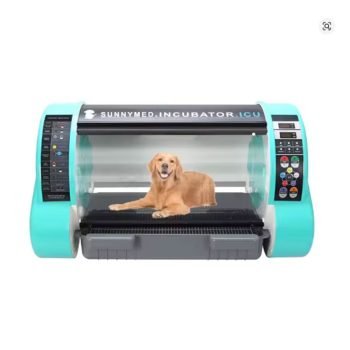
Veterinary clinics, breeding programs, neonatal-care facilities, rescue organizations, and specialty animal hospitals sometimes need more than an ordinary cage when a small animal requires a carefully controlled recovery environment. The SY-WUC-1801 Veterinary Pet ICU Incubator is designed as an enclosed animal-care chamber that combines controlled warming, continuous air circulation, carbon-dioxide monitoring, and support for oxygen-assisted care depending on the configuration. Although some marketplace titles describe it as “ventilation equipment,” this product is more accurately understood as a veterinary ICU incubator or oxygen-support enclosure. It is not a mechanical ventilator that delivers breaths through an airway.
Check Current SY-WUC-1801 Pet ICU Incubator Details
For U.S. buyers searching for a veterinary pet incubator, animal ICU oxygen cage, puppy incubator for veterinary clinic, kitten ICU incubator, small animal recovery chamber, veterinary oxygen support enclosure, or newborn puppy warming incubator, the SY-WUC-1801 belongs to a specialized category of equipment intended to provide a more controlled environment than a conventional kennel or hospital cage.
The manufacturer describes the SY-WUC-1801 as an economical animal ICU incubator using a dual-flow circulation system and a PTC, or positive-temperature-coefficient, heating element. The dual-port ventilation system continually refreshes air inside the chamber, while a carbon-dioxide monitoring sensor is described as alarming when CO₂ rises above a set level, with 1,000 ppm identified as the default threshold. The economical WUC-1801 version removes the built-in nebulizer found on some more advanced models, while an external nebulizer may be available as an optional accessory.
Those features make the unit potentially relevant for supervised veterinary recovery, neonatal warming, post-anesthesia observation, oxygen-enriched supportive care, and other situations in which a veterinarian determines that environmental temperature, air quality, and close observation need to be controlled. It should not be treated as a substitute for a mechanical ventilator, anesthesia machine, oxygen concentrator, multiparameter monitor, or direct veterinary supervision.

What Is the SY-WUC-1801 Veterinary Pet ICU Incubator?
The SY-WUC-1801 is an enclosed small-animal care chamber intended to help veterinary teams maintain a more controlled environment around a patient. Instead of relying only on room temperature and ordinary cage airflow, the incubator uses internal circulation and controlled heating to stabilize conditions inside the chamber.
Designed for Veterinary Supportive Care
Animals recovering from procedures, very young puppies and kittens, and medically fragile small patients may be less capable of regulating body temperature or tolerating environmental changes. An ICU incubator gives veterinary professionals a dedicated space in which environmental conditions can be managed and observed more closely.
Not the Same as a Mechanical Ventilator
A mechanical ventilator actively assists or replaces breathing by moving gas into and out of a patient’s lungs through an airway interface. The SY-WUC-1801 does not perform that function. Its ventilation terminology refers to airflow and air exchange inside the enclosure.
Why That Difference Matters
Calling an incubator a “ventilator” can create unrealistic expectations. An animal in respiratory failure may require airway management, supplemental oxygen, mechanical ventilation, blood-gas assessment, intensive monitoring, and other interventions that an environmental incubator alone cannot provide.
Core Product Features to Verify
| Feature | SY-WUC-1801 Information |
|---|---|
| Model | SY-WUC-1801 |
| Product Category | Veterinary animal ICU incubator / oxygen-support chamber |
| Primary Patients | Small companion animals such as puppies, kittens, small dogs, cats, and other appropriately sized veterinary patients |
| Heating | PTC heating-element system described by manufacturer |
| Air Circulation | Dual-flow / dual-port circulation and ventilation system |
| CO₂ Monitoring | CO₂ monitoring sensor with alarm function |
| Default CO₂ Alarm | Manufacturer literature identifies 1,000 ppm as the default set level |
| Nebulization | Built-in nebulizer removed on economical WUC-1801 version; external nebulizer may be optional |
| Oxygen Support | Marketed for veterinary ICU/oxygen-support use; exact oxygen-input configuration should be confirmed |
| Display / Controls | Economical control configuration; exact panel features should be confirmed from current unit |
| Power | Exact voltage/frequency must be confirmed before U.S. installation |
| Warranty | Manufacturer marketplace listing shows one-year basic warranty information; seller terms may vary |
Why Model-Specific Verification Is Important
Several related pet incubators use very similar enclosures while offering different screens, sterilization systems, oxygen controls, nebulizers, humidity functions, and power supplies. Buyers should not copy technical specifications from a WUC-1803, WUC-1805, or another ICU incubator onto the SY-WUC-1801 simply because the cabinet looks similar.
Request the Current Datasheet Before Ordering
A professional veterinary buyer should ask for the exact model number, electrical nameplate, chamber dimensions, temperature-control range, oxygen connection requirements, CO₂ sensor details, alarm behavior, included accessories, and cleaning instructions.

How the Dual-Flow Circulation System Works
The manufacturer emphasizes a dual-flow circulation design as a core safety feature. Rather than relying on a single localized source of warm air, the unit is designed to keep air moving through the chamber and reduce temperature concentration in one area.
Continuous Air Exchange Helps Manage the Enclosure
Animals consume oxygen and release carbon dioxide, heat, and moisture. A sealed box without adequate air exchange would therefore be unsafe. The dual-port concept is intended to keep fresh air moving through the enclosure while maintaining the controlled environment.
Gentle Circulation Is Important for Small Patients
Very young or compromised animals may not tolerate a strong direct draft. A veterinary incubator should distribute air without directing an uncomfortable high-speed stream at the patient.
Air Circulation Does Not Eliminate the Need for Monitoring
Fans and vents can fail, become obstructed, or perform differently when bedding and equipment are added. Veterinary staff should follow manufacturer instructions and clinic protocols rather than assuming automatic circulation makes continuous observation unnecessary.
PTC Heating and Temperature Control
The SY-WUC-1801 manufacturer description identifies a PTC heating element as part of its approach to reducing overheating risk. PTC heaters change electrical resistance as temperature changes, which can provide a self-limiting characteristic compared with simpler resistance heaters.
Why Controlled Warmth Matters
Neonatal animals and some ill or recovering patients may have difficulty maintaining normal body temperature. A controlled incubator can provide a more stable environmental temperature than portable heating pads, lamps, or improvised warm boxes.
More Heat Is Not Automatically Better
Overheating can be dangerous. The appropriate chamber temperature depends on species, age, medical condition, hydration, body temperature, treatment plan, and other factors.
Veterinary Protocols Should Determine Temperature Settings
A product’s maximum temperature range is not a treatment recommendation. Setpoints should come from veterinary judgment and patient monitoring, not from the assumption that the warmest available setting provides the best care.
Understanding the CO₂ Monitoring Alarm
Carbon-dioxide monitoring is a particularly important feature in an enclosed animal chamber. The manufacturer states that the SY-WUC-1801 alarm is triggered if CO₂ concentration rises above the set level and identifies 1,000 ppm as the default threshold.
Why CO₂ Can Accumulate
Every breathing animal exhales carbon dioxide. If ventilation is inadequate, the concentration in an enclosure can rise even when room air outside the chamber remains normal.
The Alarm Is a Warning, Not a Treatment System
A CO₂ alert indicates that staff should evaluate the patient, airflow, chamber setup, vents, filters, oxygen delivery, and equipment operation according to clinic procedure.
Sensor Maintenance Matters
Gas sensors can drift or fail over time. Ask the manufacturer whether the sensor requires calibration, replacement, self-testing, or scheduled verification and whether calibration equipment is available in the United States.
Oxygen Support in a Veterinary ICU Incubator
Marketplace descriptions frequently position the WUC-1801 family as an oxygen-support ICU enclosure. This can allow a veterinarian to create an oxygen-enriched environment when the exact configuration includes the required oxygen input and controls.
Oxygen Must Be Used Under Veterinary Direction
Supplemental oxygen is a medical intervention. The required concentration and duration depend on the patient’s condition and must be determined by trained veterinary professionals.
Oxygen-Enriched Environments Require Fire Precautions
Higher oxygen concentrations can make combustible materials ignite more readily and burn more intensely. Keep flames, smoking materials, sparks, inappropriate electrical devices, oils, and other ignition risks away from oxygen-use areas.
Confirm the Oxygen Source and Connection Method
Ask whether the selected incubator is designed to connect to a concentrator, cylinder supply, central oxygen system, or another regulated source and what flow-control equipment is required.
External Nebulizer Option
The manufacturer specifically describes the WUC-1801 as an economical version in which the internal nebulizer was removed to reduce cost and complexity. An external nebulizer is described as an available optional component.
Why This Can Lower Purchase Cost
Clinics that rarely use nebulized therapy may prefer not to pay for integrated hardware that sits unused.
External Equipment Can Be Easier to Service
If the nebulizer is separate, it can potentially be replaced or serviced without opening the main incubator enclosure.
Nebulized Medication Requires Veterinary Prescribing
An external nebulizer should not be used to administer medications without a veterinarian’s order, appropriate drug selection, dosing, infection-control procedures, and device instructions.
Who Might Use the SY-WUC-1801?
Veterinary Hospitals
General and emergency hospitals may use controlled chambers for selected small-animal patients requiring warming, oxygen support, or closer environmental management.
Neonatal and Reproductive Practices
Newborn puppies and kittens can require additional thermal support and observation, particularly when premature, weak, orphaned, or recovering from difficult delivery.
Animal Rescue Organizations
Well-equipped rescue facilities working under veterinary supervision may use incubators for fragile neonatal or recovering animals.
Professional Breeding Programs
Breeders may encounter newborn animals needing supportive care, but the equipment should be used with veterinary guidance rather than as a substitute for diagnosis and treatment.
Using a Veterinary Incubator for Newborn Puppies
Newborn puppies have limited ability to regulate body temperature, especially during the first period of life. This is one reason puppy incubators are common search terms for veterinary and breeding equipment.
Temperature Stability Can Be Valuable
A controlled enclosure can provide a more consistent environment than moving heating pads or heat lamps.
Observation Remains Essential
Newborns still need assessment for nursing, hydration, breathing, congenital problems, infection, weight gain, elimination, and maternal interaction.
Incubation Does Not Replace Maternal Care
Whenever medically appropriate, nutrition, bonding, nursing, and species-specific neonatal care remain important. The incubator is a supportive tool rather than a complete neonatal-care system.
Using the Incubator for Kittens
Neonatal kittens can face many of the same challenges as puppies, including heat loss and rapid deterioration when they are ill or underweight.
Controlled Warmth Can Reduce Environmental Fluctuation
An enclosed chamber helps prevent the large temperature changes that can occur when a room cools overnight or doors are repeatedly opened.
Humidity and Hydration Are Separate Issues
Even if a chamber manages environmental humidity, that does not correct dehydration. Fluid therapy and nutrition must be handled according to veterinary assessment.
Monitor the Patient, Not Only the Chamber
A perfect environmental display does not guarantee that an individual animal’s body temperature, oxygenation, heart rate, respiratory status, or hydration are appropriate.

Post-Anesthesia Recovery Applications
Manufacturer marketing includes recovery after anesthesia among intended supportive-care situations. An enclosed warmed environment can be useful because anesthetized patients may lose body heat and require close observation during recovery.
Temperature Support Is Only One Part of Recovery
Veterinary teams may also need to monitor airway patency, respiratory rate, oxygenation, circulation, pain, consciousness, and procedure-specific complications.
Visual Access Is Important
A transparent or easily observed enclosure allows staff to monitor patient position and behavior while maintaining environmental control.
Unstable Patients May Need More Intensive Equipment
An incubator does not replace a patient monitor, oxygen analyzer, capnograph, ventilator, infusion pump, warming system, or direct hands-on care when those are clinically required.
Recovery After Trauma or Critical Illness
Manufacturers of veterinary ICU chambers often market them for patients recovering from trauma, shock, infection, surgery, or other serious conditions. These claims should be interpreted as possible supportive-care applications rather than proof that an incubator treats the underlying disease.
The Chamber Controls Environment, Not the Disease
Temperature control, airflow, and oxygen support can help create conditions for care, but medications, surgery, fluids, transfusion, pain management, ventilation, and other therapies address specific medical needs.
Patient Selection Matters
Some animals may become stressed by enclosure, require frequent procedures, or be too large for the chamber.
Veterinary Judgment Comes First
The veterinarian should determine whether an incubator is appropriate, how long the patient should remain inside, and what monitoring is required.
How Large an Animal Can the Incubator Hold?
The exact internal dimensions of the SY-WUC-1801 should be confirmed with the seller. Related ICU1801-platform listings describe an inner chamber around 58 × 38 × 40 cm, but buyers should not treat those dimensions as guaranteed for every SY-branded unit without checking the current specification sheet.
Fit Is More Than Body Length
The animal needs enough room to lie in a safe position, breathe comfortably, turn when appropriate, and remain separated from vents and equipment.
Medical Accessories Consume Space
Bedding, oxygen tubing, monitoring leads, IV lines, bowls, and positioning materials reduce usable chamber volume.
Do Not Overcrowd the Enclosure
Multiple animals inside one incubator can change heat load, humidity, oxygen consumption, CO₂ production, infection risk, and available space. Follow manufacturer and veterinary protocols.
Noise Levels and Patient Stress
Related ICU1801-platform specifications describe low internal operating noise, which is desirable because sick or neonatal animals can be sensitive to constant sound and vibration.
Quiet Operation Supports Observation
Reduced fan noise also makes it easier for staff to notice vocalization or unusual sounds from the patient.
Clinic Environment Still Matters
Door slamming, barking dogs, alarms, equipment movement, and bright lights can still create stress even if the incubator itself is quiet.
Place the Unit Thoughtfully
When possible, position the incubator where staff can observe it easily without exposing the patient to unnecessary traffic and noise.
Cleaning and Infection Control
Any enclosure repeatedly used by sick animals must have a clear cleaning and disinfection protocol.
Clean Between Patients
Organic debris should be removed before applying an appropriate veterinary disinfectant.
Follow Contact-Time Requirements
Disinfectants need the correct concentration and wet contact time to work effectively.
Protect Sensors and Electronics
Do not spray liquid directly into electrical components, fans, sensors, vents, or control panels unless the manufacturer explicitly allows it.
Allow the Chamber to Dry Before Reuse
Residual cleaning chemicals can irritate animals and may interfere with sensors. Follow the manufacturer’s cleaning procedure carefully.
Managing Bedding Inside the Incubator
Choose Low-Lint Materials
Loose fibers can enter ventilation openings and filters.
Avoid Blocking Airflow
Bedding should never cover supply or exhaust vents.
Change Soiled Material Promptly
Urine, feces, milk, vomit, and wound drainage increase contamination and humidity.
Use Flame-Safety Precautions Around Oxygen
Oxygen-enriched environments require additional care with combustible bedding and ignition sources. Follow the facility’s oxygen-safety policy.
Power Requirements for U.S. Clinics
This is one of the most important purchasing issues for American buyers. Related ICU1801-platform specifications frequently show approximately 220V at 50Hz. That is not the same as an ordinary U.S. 120V/60Hz receptacle.
Confirm the Exact Nameplate Before Ordering
Ask the seller whether the SY-WUC-1801 being shipped is available in a U.S.-compatible voltage and frequency configuration.
A Plug Adapter Does Not Convert Electrical Supply
Changing the physical plug shape cannot make a 220V-only, 50Hz-only appliance compatible with 120V/60Hz power.
Have the Facility Electrician Review the Unit
Professional veterinary equipment should be connected only after the voltage, frequency, grounding, current requirements, receptacle type, and electrical safety markings have been checked.
Backup Power and Emergency Planning
If an incubator is supporting a medically fragile patient, a power failure can quickly change the chamber environment.
Know What Happens When Power Is Lost
Ask whether fans stop, vents remain passively open, alarms operate, settings are retained, and temperature falls gradually or rapidly.
Plan an Alternate Care Location
Clinics should know how to move a patient safely if the incubator or facility loses power.
Use Approved Backup Systems
Uninterruptible power supplies and generators must be correctly sized and compatible with the equipment. Have qualified professionals design backup power for clinical devices.
CO₂ Alarm Testing and Maintenance
Test the Alarm According to the Manual
An alarm that has never been tested should not be assumed functional.
Ask About Calibration Intervals
Gas sensors can require periodic calibration or replacement.
Document Maintenance
Veterinary facilities can include the incubator in preventive-maintenance records alongside anesthesia, monitoring, oxygen, and laboratory equipment.
Oxygen Monitoring vs CO₂ Monitoring
These are different measurements. A CO₂ sensor tells staff about carbon-dioxide accumulation; it does not necessarily tell them the oxygen concentration inside the chamber.
Ask Whether the Exact Unit Measures Oxygen
Do not assume that an “oxygen incubator” includes a calibrated oxygen analyzer.
External Oxygen Monitoring May Be Needed
Clinical protocols may require independent oxygen measurement depending on how the chamber is used.
Set Oxygen According to Veterinary Orders
More oxygen is not automatically better. Supplemental oxygen should be titrated and monitored according to the patient’s condition and professional judgment.

SY-WUC-1801 vs a Standard Veterinary Cage
| Feature | SY-WUC-1801 ICU Incubator | Standard Veterinary Cage |
|---|---|---|
| Environmental Heating | Controlled heating system | Usually room dependent |
| Air Circulation | Powered dual-flow system | Passive room airflow |
| CO₂ Alarm | Manufacturer describes integrated monitoring alarm | Usually none |
| Oxygen-Enriched Care | Designed for ICU oxygen-support applications depending on configuration | Requires separate oxygen cage/setup |
| Neonatal Support | Purpose-built controlled environment | May require additional warming equipment |
| Cost | Higher specialized equipment cost | Lower |
| Maintenance | Sensors, fans, heating, electronics require maintenance | Primarily structural cleaning |
When a Standard Cage May Be Enough
Stable animals that do not require controlled warmth, oxygen enrichment, or specialized environmental monitoring may not need an ICU incubator.
Use Specialized Equipment When Clinically Justified
An incubator should be selected because it provides a needed level of environmental control, not simply because it appears more advanced.
SY-WUC-1801 vs Mechanical Veterinary Ventilator
The Incubator Controls the Environment
It manages the air and temperature around the patient.
A Ventilator Controls or Assists Breathing
A mechanical ventilator connects to an airway circuit and provides controlled breaths using pressure, volume, timing, and monitoring settings.
The Two Devices Can Serve Very Different Patients
An animal needing simple warmed oxygen support may use an incubator under veterinary supervision, while an animal unable to ventilate adequately may require intubation and mechanical ventilation.
SY-WUC-1801 vs Oxygen Cage
The categories overlap because the WUC-1801 is marketed for ICU and oxygen-support applications, but a basic oxygen cage may provide fewer environmental-control features.
Incubator Adds Thermal Management
The PTC heating and controlled circulation provide functions beyond simply enclosing supplemental oxygen.
CO₂ Alarm Adds Another Layer of Monitoring
The manufacturer specifically highlights carbon-dioxide monitoring as a safety feature.
Confirm Oxygen Concentration Control Separately
Some oxygen cages use flow-based systems without integrated oxygen measurement. Review the exact configuration before assuming automated oxygen control.
Regulatory Considerations for U.S. Buyers
Veterinary medical devices in the United States are regulated differently from human medical devices. FDA states that animal devices generally do not require 510(k), PMA, or other premarket approval before marketing. However, animal devices are still subject to FDA oversight and must not be adulterated or misbranded.
No FDA Premarket Approval Does Not Mean No Responsibility
The manufacturer and distributor remain responsible for assuring that an animal device is safe, effective, and properly labeled.
Imported Animal Devices Are Examined for Labeling
FDA import guidance states that veterinary-device labeling should clearly indicate that the device is for animal use and should not be false or misleading.
Clinic Buyers Should Perform Their Own Due Diligence
Ask for manufacturer identity, instructions for use, electrical safety information, service documentation, warranty, quality-system information, spare parts, and any relevant certifications before purchasing imported clinical equipment.
What Does CE Marking Mean for a U.S. Buyer?
The Sunnymed marketplace listing identifies CE certification. CE marking is relevant to European-market conformity but should not be interpreted as automatic U.S. electrical, occupational, or facility approval.
Check Local Electrical Requirements
Your clinic’s insurer, electrical inspector, corporate safety department, or accreditation process may require specific nationally recognized testing laboratory markings.
Ask for the Actual Certificate
Do not rely only on a CE logo printed in a marketplace image.
Verify the Certificate Matches the Model
The document should identify the manufacturer and applicable product family rather than an unrelated device from the same supplier.
Questions to Ask the Seller Before Purchasing
What Is the Exact U.S. Electrical Configuration?
Ask for voltage, frequency, maximum power, plug type, grounding requirements, and a photograph of the electrical nameplate.
What Are the Internal Chamber Dimensions?
This determines the actual patient size that can be accommodated safely.
What Temperature Range Is Supported?
Ask for control range, accuracy, uniformity, and alarm limits.
How Is Oxygen Connected and Controlled?
Clarify inlet type, recommended source, permissible flow, concentration measurement, and whether regulators are included.
How Is the CO₂ Sensor Calibrated?
Ask for sensor model, expected service life, calibration procedure, and replacement cost.
What Accessories Are Included?
Confirm shelves, mats, oxygen tubing, nebulizer, filters, power cord, spare fuses, manuals, and any other parts shown in photographs.
What Support Is Available in the United States?
Ask who performs warranty service, whether replacement parts can be shipped separately, and whether remote technical training is available.
Installation Checklist for a Veterinary Clinic
- Confirm exact model and serial information
- Verify electrical voltage and frequency
- Have facility electrical compatibility reviewed
- Confirm grounding requirements
- Verify oxygen connection and regulator requirements
- Confirm oxygen/fire-safety procedures
- Check chamber dimensions against intended patients
- Verify temperature sensor and alarm operation
- Verify CO₂ sensor and alarm operation
- Review cleaning and disinfection instructions
- Train veterinary staff before patient use
- Create preventive-maintenance records
- Establish backup plan for power or equipment failure
- Keep the instruction manual accessible
Perform an Acceptance Check Before Clinical Use
Run the incubator empty and verify that temperature, airflow, alarms, doors, controls, oxygen connections, and sensors behave as described.
Document Staff Training
Everyone expected to operate the incubator should know how to set it up, respond to alarms, clean it, and remove a patient rapidly during an emergency.
Advantages of the SY-WUC-1801 Veterinary Incubator
- Designed specifically for small-animal ICU and recovery environments
- Dual-flow circulation system
- Dual-port air-refresh design
- PTC heating technology described by manufacturer
- CO₂ monitoring and alarm function
- Default CO₂ alarm level described as 1,000 ppm
- Potential oxygen-support use depending on configuration
- Useful for neonatal veterinary care under supervision
- Can support post-procedure environmental management
- Economical version removes unnecessary integrated nebulizer hardware for buyers who do not need it
- Optional external nebulizer can be added when appropriate
- Enclosed design can provide more stable conditions than an open hospital cage
- Potentially useful for veterinary hospitals, rescue facilities, breeders working with veterinarians, and specialty practices
Important Limitations and Considerations
- It is not a mechanical ventilator
- It does not replace a veterinarian or trained veterinary technician
- It does not diagnose disease
- It does not replace patient monitoring when monitoring is clinically required
- Exact oxygen-control features must be verified
- CO₂ monitoring does not automatically mean oxygen concentration is monitored
- The economical WUC-1801 does not include the internal nebulizer described on some higher-end models
- Related units may use 220V/50Hz power, so U.S. compatibility must be confirmed
- Imported equipment requires careful regulatory, electrical, service, and warranty due diligence
- Gas sensors may require calibration or replacement
- Oxygen-enriched environments require strict fire-safety precautions
- Patient temperature and clinical status still require direct monitoring
Who Gets the Most Value?
The strongest buyer is a veterinary professional or organization that has a defined need for controlled small-animal warming, airflow, CO₂ monitoring, and oxygen-support capability and is prepared to verify electrical compatibility, train staff, maintain sensors, and integrate the incubator into formal clinical protocols.

Frequently Asked Questions About the SY-WUC-1801
Is the SY-WUC-1801 a veterinary ventilator?
No. It is better described as an animal ICU incubator or oxygen-support recovery chamber. Its ventilation system circulates and refreshes air inside the enclosure; it does not mechanically breathe for an animal.
What animals is it intended for?
It is marketed for small veterinary patients such as puppies, kittens, dogs, cats, and other appropriately sized animals. Confirm chamber dimensions before use.
Can it be used for newborn puppies?
It is marketed for neonatal and puppy care, but temperature settings, oxygen use, feeding, hydration, and medical management should be directed by a veterinarian.
Can it be used for newborn kittens?
Yes, when a veterinarian determines that controlled environmental support is appropriate and the patient can be monitored safely.
Does it provide heat?
The manufacturer describes a PTC heating-element system designed to support controlled chamber temperature.
What is PTC heating?
PTC means positive temperature coefficient. The heating element’s electrical resistance changes with temperature, providing a self-limiting characteristic that can support safer thermal control.
Does it have air circulation?
Yes. Dual-flow circulation and a dual-port ventilation system are core features described by the manufacturer.
Does it monitor carbon dioxide?
Yes. Manufacturer literature describes a CO₂ monitoring sensor with an alarm function.
What is the default CO₂ alarm level?
The manufacturer identifies 1,000 ppm as the default set level.
Can the alarm level be changed?
Confirm adjustment options in the exact user manual because control functions can differ between models and production versions.
Does it monitor oxygen concentration?
Do not assume so. CO₂ monitoring and oxygen-concentration measurement are separate functions. Ask the seller whether the exact unit includes an oxygen sensor.
Can oxygen be supplied to the chamber?
The model is marketed for oxygen-support ICU use, but the exact oxygen inlet, flow-control hardware, and supported source should be confirmed.
Can I connect an oxygen concentrator?
Only if the manufacturer approves the specific setup and the concentrator provides suitable flow and oxygen concentration. Veterinary staff should determine clinical settings.
Can I connect an oxygen cylinder?
Potentially, but cylinders require appropriate regulators, secure storage, fire-safety procedures, and a manufacturer-approved connection method.
Is oxygen inside the incubator dangerous?
Oxygen itself is not flammable, but oxygen-enriched environments make combustible materials ignite more easily and burn more intensely. Strict fire precautions are required.
Does the incubator include a nebulizer?
The manufacturer states that the economical WUC-1801 removed the internal nebulizer. An external nebulizer may be available as an optional accessory.
Can I nebulize medication inside the chamber?
Only under veterinary direction using compatible equipment and medications. Nebulized treatment should not be improvised.
Does it control humidity?
Marketplace titles sometimes reference stable temperature and humidity, but buyers should confirm the exact humidity-control hardware and range on the selected SY-WUC-1801 rather than assuming features from related models.
Does it have an LCD touch screen?
The economical SY-WUC-1801 uses a simplified control configuration compared with more advanced models. Confirm the exact panel on the current version.
How large is the chamber?
Related ICU1801-platform listings describe an internal area around 58 × 38 × 40 cm, but the exact SY-WUC-1801 dimensions should be confirmed with the seller before purchase.
Can a large dog fit inside?
This product is principally intended for small animals. Do not place a patient inside unless the chamber allows safe positioning and adequate clearance.
Can two puppies share the chamber?
Only when the treating veterinary team and manufacturer guidance support that use. Multiple animals change heat, oxygen consumption, CO₂ production, space, and infection-control requirements.
Can it be used after surgery?
It may be used as part of supervised post-procedure recovery when environmental warming or oxygen support is clinically appropriate.
Can it replace a recovery cage?
It can serve as a specialized recovery enclosure for selected patients, but not every patient requires an incubator.
Can it replace an anesthesia machine?
No. An anesthesia machine delivers and manages anesthetic gases and breathing circuits. The incubator serves a different purpose.
Can it replace a mechanical ventilator?
No. A ventilator provides assisted or controlled breaths through an airway system.
Can it replace a veterinary patient monitor?
No. It does not substitute for ECG, pulse oximetry, blood pressure, temperature, capnography, or other monitoring when those measurements are required.
Can it replace an oxygen concentrator?
No. If the chamber requires external oxygen, an appropriate oxygen source may still be necessary.
What power supply does it use?
The exact SY-WUC-1801 electrical nameplate should be checked. Related ICU1801-platform products are commonly listed around 220V/50Hz, which requires special attention for U.S. buyers.
Will it plug into a normal U.S. wall outlet?
Do not assume that it will. A standard U.S. household outlet is generally 120V/60Hz. Confirm a U.S.-compatible version before purchase.
Can I use a travel adapter?
A travel adapter only changes plug shape. It does not convert voltage or frequency.
Can I use a transformer?
Only if the equipment manufacturer and a qualified electrical professional approve the arrangement. Clinical equipment should not rely on improvised power conversion.
Is the unit CE certified?
The Sunnymed marketplace listing identifies CE certification. Ask for documentation that specifically matches the model being purchased.
Is it FDA approved?
FDA generally does not require 510(k), PMA, or other premarket approval for devices intended only for animal use. That is different from saying FDA has individually approved the product.
Does FDA regulate veterinary devices?
Yes. FDA has oversight of animal devices and can act against products that are adulterated or misbranded.
Can it be imported into the United States?
Veterinary devices can be imported, but FDA verifies requirements such as appropriate animal-use labeling, and buyers must also address shipping, electrical, customs, and facility requirements.
Does the manufacturer need FDA device registration?
FDA states that manufacturers that exclusively manufacture or distribute devices for animal use are generally not required to register establishments or list those animal devices.
Should a U.S. clinic check electrical certification?
Yes. Verify any electrical safety listing required by the clinic, insurer, local authority, or facility policy.
How should the chamber be cleaned?
Follow the manufacturer’s instructions, remove organic debris first, use compatible veterinary disinfectants, protect electronics and sensors, observe required disinfectant contact time, and allow the enclosure to dry.
Can I spray disinfectant directly inside?
Do not spray sensors, fans, electrical connectors, or control panels unless the manual specifically allows it.
How often should it be disinfected?
At minimum, clean and disinfect between patients according to veterinary infection-control policy and whenever contamination occurs.
Does the CO₂ sensor require calibration?
Gas sensors commonly require verification or calibration over time. Ask the manufacturer for the exact maintenance interval and procedure.
What if the CO₂ alarm activates?
Veterinary staff should assess the patient and chamber immediately and follow the manufacturer’s alarm-response procedure and clinic protocol.
What if the temperature becomes too high?
Remove or protect the patient as clinically appropriate, investigate equipment operation, and follow the alarm and emergency procedure. Do not continue using malfunctioning heating equipment.
What if power fails?
Clinics should have a written plan for transferring or supporting the patient if ventilation, heating, monitoring, or oxygen delivery is interrupted.
Can I use a UPS?
A properly engineered UPS may be possible, but it must be sized for the equipment and approved by qualified professionals.
Can breeders use the incubator at home?
The product may be marketed to breeding programs, but medically fragile neonates should be managed with veterinary guidance. Equipment does not replace professional assessment.
Can an animal shelter use it?
Yes, when the shelter has appropriate veterinary oversight, trained staff, maintenance procedures, and compatible electrical and oxygen infrastructure.
Is it suitable for rabbits or other small animals?
Possibly, depending on species, size, medical indication, environmental requirements, and veterinary guidance. Do not assume the same settings are appropriate across species.
Can it be used for birds?
Only if a veterinarian and the manufacturer determine that the enclosure, airflow, temperature, and oxygen configuration are appropriate for the species.
How quiet is it?
Related ICU1801-platform listings describe low-noise operation, but request the exact noise specification for the current SY-WUC-1801 if this is important.
Does it include wheels?
Related larger ICU systems may include carts or wheels, but confirm the physical package for this exact model.
Does it include an oxygen concentrator?
Do not assume one is included unless it is explicitly listed in the package contents.
Does it include tubing?
Ask the seller for a complete packing list, including oxygen tubing, connectors, filters, and optional accessories.
What spare parts should a clinic keep?
Ask about filters, fuses, sensors, fans, heater components, seals, control boards, power components, oxygen fittings, and replacement CO₂ sensors.
How long is the warranty?
The manufacturer marketplace page lists a one-year warranty in its basic specifications, while broader after-sales terms may vary. Confirm the warranty that applies to the exact purchase.
Is remote technical support available?
The supplier advertises video tutorials and online video support, but confirm current support hours, language, response time, and whether technical help is available for U.S. buyers.
What should I verify before ordering?
Confirm chamber dimensions, temperature-control specifications, CO₂ monitoring, oxygen configuration, nebulizer inclusion, humidity features, electrical input, U.S. plug compatibility, safety documentation, packing list, warranty, spare parts, cleaning procedures, and after-sales support.

USA SEO Buying Guide for Veterinary Pet Incubators
U.S. veterinary buyers and animal-care professionals may search for this category using terms such as veterinary pet incubator, animal ICU incubator, puppy incubator for vet clinic, kitten oxygen incubator, veterinary oxygen cage, small animal recovery chamber, newborn puppy warming incubator, CO2 monitoring pet incubator, and veterinary ICU equipment for dogs and cats.
The SY-WUC-1801 fits those searches more accurately than the phrase “pet ventilator.” Its defining function is to create a controlled veterinary environment around the patient through warming, air circulation, CO₂ monitoring, and oxygen-support capability rather than to mechanically ventilate the lungs.
Start With the Clinical Need
Determine whether the practice needs neonatal warming, oxygen-enriched recovery, post-anesthesia environmental support, or another clearly defined application.
Then Confirm Patient Size
Measure the largest patient expected to use the chamber and compare it with verified internal dimensions.
Verify Environmental Controls
Ask for temperature range, accuracy, airflow design, alarm behavior, oxygen features, and whether humidity is measured or actively controlled.
Verify U.S. Electrical Compatibility
This is essential because related ICU1801 devices are frequently sold in 220V/50Hz configurations.
Finally Evaluate Service and Ownership Cost
Replacement sensors, filters, fans, heater parts, power components, shipping, calibration, and technical support can matter more over several years than a small difference in initial purchase price.
Shop the SY-WUC-1801 Veterinary Pet ICU Incubator
If your veterinary clinic, neonatal-care program, rescue organization, or supervised breeding operation needs a controlled small-animal environment with PTC heating, dual-flow circulation, CO₂ monitoring, and potential oxygen-support capability, the SY-WUC-1801 may be worth evaluating.
Before purchasing, obtain the exact current datasheet and confirm patient-space dimensions, temperature specifications, oxygen-input configuration, CO₂ sensor maintenance, optional nebulizer, electrical voltage and frequency, U.S. compatibility, warranty, service process, and replacement-part availability.
Check Current SY-WUC-1801 Pet ICU Incubator Details
Final Thoughts on the SY-WUC-1801 Animal ICU Incubator
The SY-WUC-1801 Veterinary Pet ICU Incubator is a specialized environmental-support system for small animals rather than a conventional cage and, importantly, rather than a mechanical ventilator. That distinction makes it easier to understand what the equipment can realistically contribute to a veterinary treatment plan.
Its primary value is environmental control. A sick, neonatal, post-anesthesia, or recovering animal can be placed inside an enclosure where warmth and airflow are more controlled than they would be in an ordinary kennel. The manufacturer’s dual-flow circulation system is designed to keep air moving through the chamber, while the PTC heating system supports controlled warming.
The integrated carbon-dioxide monitoring alarm adds another useful safety layer. In an enclosed space, carbon dioxide produced by the patient can rise if ventilation becomes inadequate. The manufacturer identifies a default CO₂ alarm threshold of 1,000 ppm, allowing staff to be alerted when the monitored concentration exceeds the configured level.
That alarm should still be treated as one part of a broader patient-safety system. Veterinary staff must be trained to respond appropriately, sensors should be maintained and calibrated as required, and ventilation openings must remain unobstructed.
Oxygen-support capability is another reason clinics may consider this type of incubator. An oxygen-enriched enclosure can be easier for some small patients to tolerate than a mask or other interface, but oxygen delivery remains a medical intervention. Concentration, flow, duration, monitoring, and fire safety need veterinary protocols.
The presence of the word “oxygen” in a product title does not prove that the incubator actively measures oxygen concentration. Carbon-dioxide sensing and oxygen sensing are different systems. Buyers should ask specifically whether the selected SY-WUC-1801 includes an oxygen analyzer or whether external measurement is required.
The same careful verification applies to humidity. Some marketplace titles for the product family refer to temperature and humidity, while similar incubators vary significantly in whether humidity is merely influenced by the chamber environment, displayed by a sensor, or actively controlled. Professional buyers should obtain the current datasheet rather than treating generic marketplace text as a clinical specification.
The economical design of the WUC-1801 can make sense for clinics that want the basic ICU enclosure without every accessory integrated into the cabinet. The manufacturer specifically states that the internal nebulizer was removed on this version, with an external nebulizer available as an option.
That design choice may reduce cost and simplify maintenance for facilities that already own nebulization equipment or rarely need aerosol therapy.
It also means buyers should read the package contents carefully. Photographs of related models can show accessories that are not included with the economical version. Ask the seller to provide a written packing list.
For the U.S. market, electrical compatibility deserves particular attention. Related ICU1801-platform products are often specified for approximately 220V and 50Hz power. Standard U.S. general-purpose receptacles are normally 120V at 60Hz. A different plug shape is not the only issue.
Before ordering an imported unit, request a photograph of the actual electrical nameplate for the version that will be shipped.
If the manufacturer offers a 120V/60Hz configuration, confirm that this is the version on the order. If a 240V model is being considered, have the clinic electrician evaluate whether its frequency, grounding, receptacle, overcurrent protection, and other requirements are suitable.
Do not solve clinical-equipment electrical incompatibility with a cheap travel adapter.
Regulatory due diligence is equally important. FDA regulates animal devices but generally does not require 510(k), PMA, or other premarket approval for devices intended only for animal use. This is very different from the regulatory framework for many human medical devices.
The absence of premarket approval does not mean the device has been individually reviewed and endorsed by FDA. Manufacturers and distributors remain responsible for safety, effectiveness, and proper labeling, and FDA can act against adulterated or misbranded animal devices.
For imported equipment, buyers should also verify that labeling clearly identifies veterinary use and provides adequate instructions.
Electrical-safety documentation, CE certificates, quality-system information, and warranty records should be requested rather than inferred from marketplace graphics.
After installation, staff training becomes the most important safety factor.
Everyone using the incubator should understand how to set temperature, how to interpret alarms, how oxygen is supplied, how doors and vents affect the internal environment, and how to remove a patient quickly if the unit fails.
The clinic should also establish a cleaning protocol. ICU equipment is exposed to bodily fluids, respiratory secretions, hair, bedding debris, food, and infectious organisms. The chamber should be cleaned and disinfected between patients using chemicals compatible with the enclosure, sensors, seals, and electronics.
Preventive maintenance should include more than wiping the cabinet. Fans, sensors, filters, heaters, alarms, door seals, power connections, and oxygen fittings may all require periodic inspection.
CO₂ sensors deserve particular attention because a displayed number can create false confidence if the sensor has drifted out of calibration.
Ask the supplier how calibration is performed and whether replacement sensors are readily available.
Long-term serviceability is one of the largest differences between buying ordinary pet equipment and buying clinical equipment. A pet bed can simply be replaced if it fails. A veterinary ICU incubator may be supporting a fragile patient when a fan, sensor, controller, or heater develops a problem.
Before purchasing, identify where replacement parts will come from, whether remote technical support is available, how warranty repairs are handled, and whether the unit must be shipped internationally for service.
A lower purchase price can become less attractive if every repair requires expensive freight and long downtime.
Clinics should also plan for power failure. If the incubator loses electricity, warming and active circulation may stop. A patient that depends on oxygen enrichment or thermal support may need rapid transfer to another setup.
Written emergency procedures and suitable backup systems are more dependable than trying to improvise during an outage.
The chamber size should also be treated as a clinical requirement rather than a convenience. The animal must fit comfortably and safely, with enough clearance for normal positioning and any required tubing or monitoring leads.
A chamber that is technically large enough for an animal to enter may still be too cramped for safe recovery.
For neonatal litters, placing multiple animals together changes the environmental load. Each additional patient contributes body heat, moisture, oxygen consumption, and carbon dioxide. Infection-control concerns also increase.
Use patient numbers and configurations supported by the veterinary team and manufacturer guidance.
For breeders and rescue organizations, the availability of an incubator can be valuable, but the equipment should not create false confidence. A weak newborn can decline quickly from infection, congenital disease, hypoglycemia, dehydration, aspiration, respiratory disease, or many other problems that environmental warmth alone cannot correct.
Veterinary evaluation remains essential.
The same principle applies to adult animals recovering after anesthesia or illness. An incubator can support temperature and environmental management, but it does not replace airway monitoring, circulation assessment, pain control, medication, fluid therapy, diagnostics, or nursing care.
This makes the SY-WUC-1801 most useful when it is integrated into a structured veterinary workflow rather than used as a stand-alone treatment device.
Before completing a purchase, U.S. buyers should confirm the exact model configuration in writing. Request the internal dimensions, temperature range and accuracy, CO₂ sensor details, oxygen system information, humidity features, electrical input, accessories, nebulizer status, cleaning procedure, alarm functions, spare-parts list, warranty, and support contacts.
If the unit matches the facility’s electrical infrastructure and clinical needs, the SY-WUC-1801 can provide a controlled small-animal environment for warming, observation, air circulation, CO₂ monitoring, and appropriately supervised oxygen-support care.
Its strongest value is not that it replaces other critical-care equipment. Its value is that it gives veterinary professionals a dedicated environmental-support chamber that can work alongside the other monitoring, oxygen, diagnostic, and treatment systems required by the patient.