
Electric Tank Trailer Mover for RVs Complete Buying Guide
Positioning an RV, camper, boat trailer, utility trailer, or equipment trailer can become one of the most frustrating parts of trailer ownership. The tow vehicle may be perfectly capable of pulling the trailer for hundreds of miles, yet backing that same trailer into a narrow garage, storage bay, driveway, workshop, campsite, or parking location can require repeated corrections. The Electric Tank Trailer Mover for RVs is designed to provide a powered alternative for this type of low-speed maneuvering.
For U.S. shoppers searching for an electric trailer mover, powered trailer dolly, RV trailer mover, electric RV dolly, motorized trailer mover, boat trailer mover, utility trailer mover, or electric trailer positioning tool, the FLATROAD h1 mover offers a compact powered approach intended for situations where using a full-size tow vehicle may be inconvenient.
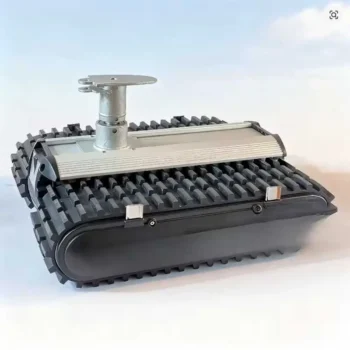
The current product page identifies this unit as a FLATROAD model h1 electric tank and trailer mover with a manual hand-lift attachment. It is positioned for RVs, campers, boat trailers, utility trailers, and equipment trailers. The electric system provides powered movement, while the hand-lift mechanism is used during the attachment and positioning process.
One specification deserves special attention before purchase: the exact rated trailer weight or tongue-load capacity for the selected unit must be confirmed before use. Trailer movers vary dramatically in capacity. Never assume that a capacity advertised for another electric dolly, tracked mover, jockey wheel, or larger industrial tug applies to this particular model.
This comprehensive guide explains how an electric trailer mover works, where it can be useful, what to inspect before buying, how to evaluate trailer weight and tongue load, how surface conditions affect performance, how to position an RV or boat trailer safely, how an electric mover compares with manual dollies and tow vehicles, how to maintain the equipment, and what U.S. buyers should check before ordering.

What Is an Electric Tank Trailer Mover for RVs?
An electric trailer mover is a powered device intended to help reposition a compatible trailer without using the normal tow vehicle for every small movement.
Depending on the trailer and mover design, these devices can be useful when aligning a coupler with a tow ball, backing a trailer into storage, moving a camper inside a garage, repositioning a boat trailer, or making small corrections where a truck or SUV would require substantially more space.
FLATROAD h1 Product Positioning
The current product page identifies the unit as the FLATROAD h1 Electric Tank Mover / Trailer Mover. It uses electric power for movement and a manual hand-lift mechanism for the attachment system.
Applications Listed for the Product
The current product information identifies applications including RVs, campers, boat trailers, utility trailers, and equipment trailers.
Compatibility still depends on trailer weight, tongue or coupling load, hitch arrangement, geometry, surface, slope, and the exact rated limits of the mover.
Electric Trailer Mover Key Specifications
| Specification | Current Product Information |
|---|---|
| Product Name | Tank RV Mover Trailer / Electric Tank Mover |
| Brand | FLATROAD |
| Model | h1 |
| Type | Electric tank mover / trailer mover |
| Power Source | Electric |
| Lift Mechanism | Manual hand lift |
| RV Application | Yes, subject to rated compatibility |
| Camper Application | Yes, subject to rated compatibility |
| Boat Trailer Application | Yes, subject to rated compatibility |
| Utility Trailer Application | Yes, subject to rated compatibility |
| Equipment Trailer Application | Yes, subject to rated compatibility |
| Battery | Check current package and power requirements |
| Battery Charger | May not be included; verify current package |
| Exact Rated Trailer Capacity | Verify with current seller specification before use |
| Exact Rated Vertical Load | Verify before use |
| Surface Recommendation | Use on appropriate firm, relatively level surfaces according to current instructions |
Why the Missing Capacity Number Matters
Electric trailer movers are sold in many different weight classes. Some compact movers are intended for relatively light trailers, while large tracked or industrial machines can handle dramatically heavier loads.
Never Borrow a Capacity Rating From Another Product
A visually similar electric mover can have a different motor, gearing, wheel, frame, coupler, battery, brake, or load rating. Confirm the exact FLATROAD h1 specification for the unit being purchased before connecting it to a trailer.

Watch the Electric Trailer Mover Video
A video can be particularly helpful when evaluating a trailer mover because photographs cannot fully demonstrate how the device approaches the trailer, how the attachment system is operated, or how the mover behaves during low-speed positioning.
What to Examine in the Product Video
Look at the attachment point, manual lifting action, wheel contact, overall mover dimensions, steering method, trailer movement speed, and the amount of physical space required around the device.
Do Not Use a Demonstration Trailer to Estimate Capacity
The fact that a mover is shown moving a particular trailer does not establish its rated capacity. Trailer appearance alone cannot reveal loaded weight, tongue load, axle configuration, or surface conditions.
Why RV Owners Use Electric Trailer Movers
Backing a trailer with a tow vehicle requires space for both the trailer and the tow vehicle to pivot. In a narrow driveway or garage, there may simply not be enough room to make the desired steering corrections comfortably.
More Control During Small Positioning Adjustments
An electric mover is designed around slow maneuvering rather than highway travel. This can make it useful when the trailer needs to move only a few feet or inches.
Useful When Aligning With a Tow Vehicle
Instead of repeatedly backing the truck toward the trailer coupler, a compatible trailer can potentially be moved toward the stationary hitch position.
Helpful for Storage Areas
Storage lots and private garages often have narrow spaces between walls, vehicles, posts, doors, and neighboring trailers. A compact maneuvering system can be useful in these environments when used within its rated limits.
Electric Trailer Mover for Travel Trailers and Campers
Travel trailers and campers can be difficult to maneuver because even relatively small steering corrections at the tow vehicle produce movement at the rear of the trailer.
Useful for Home Driveways
A homeowner may need to move a camper beside a house, behind a gate, or into a storage position that is awkward for a truck.
Useful for Campground Positioning
Some sites contain trees, utility connections, picnic tables, posts, and neighboring campers that reduce maneuvering space.
Confirm Campground Surface Conditions
Grass, gravel, mud, loose soil, and steep grades can dramatically reduce traction compared with firm pavement. Do not assume the mover can handle every campsite surface.

Electric Boat Trailer Mover Applications
Boat trailers are another common application for powered trailer-moving equipment.
Garage and Side-Yard Storage
A boat trailer may fit easily in a garage or beside a house once positioned correctly, yet the tow vehicle may not have enough turning room to place it there directly.
Workshop and Maintenance Positioning
Moving a boat or empty trailer a short distance inside a maintenance facility can be easier with suitable powered equipment.
Use Extra Caution Around Boat Ramps
Wet ramps, steep inclines, algae, water, and slippery pavement create serious traction hazards. Do not treat a general trailer mover as a boat-ramp launching device unless the manufacturer explicitly rates it for that application and slope.
Electric Utility Trailer Mover Applications
Utility trailers are used by homeowners, landscapers, contractors, farms, workshops, and small businesses throughout the United States.
Positioning an Empty Utility Trailer
An empty trailer can still be awkward to turn manually, especially in a confined area.
Moving Loaded Utility Trailers
Loaded trailer movement must stay within the mover’s verified rated capacity and appropriate tongue-load limit.
Load Distribution Matters
A trailer with poorly distributed cargo can place excessive vertical load on the mover or become unstable. Secure and distribute cargo according to trailer requirements before attempting powered repositioning.
Equipment Trailer Mover Applications
Equipment trailers may carry machinery, tools, landscaping equipment, generators, small vehicles, or construction supplies.
Loaded Weight Can Increase Quickly
A trailer that appears modest in size can become extremely heavy once equipment is loaded.
Use Actual Loaded Weight
Capacity decisions must be based on the complete loaded trailer, not only the empty trailer weight.
Understanding Trailer Weight Before Using a Mover
The most important compatibility factor is the trailer’s actual weight relative to the mover’s rated capacity.
Empty Trailer Weight
The empty or unloaded weight describes the trailer before cargo, water, equipment, fuel, batteries, accessories, or personal belongings are added.
Loaded Trailer Weight
The loaded weight includes everything currently being carried.
Use the Relevant Real-World Weight
If your RV contains water, propane, batteries, camping equipment, food, and personal belongings, those items contribute to the total weight the mover has to handle.
Understanding Tongue Weight
Tongue weight is the vertical load that the front of a conventional trailer places at its coupling point.
Why Tongue Load Matters to a Trailer Mover
The mover may support or interact with part of the vertical load while providing traction and movement. Excessive load can exceed the mechanical design even when the overall trailer weight appears acceptable.
Confirm Both Ratings
A buyer should verify both the maximum trailer-moving capacity and the maximum permitted vertical or tongue load for the specific mover.
GVWR Is Not the Same as Actual Trailer Weight
GVWR means Gross Vehicle Weight Rating. It represents the maximum rated total weight of the trailer when loaded, not necessarily what the trailer weighs at the moment.
Why GVWR Is Still Important
It provides useful context when evaluating whether a mover is appropriate for a trailer that may be loaded differently from trip to trip.
Never Exceed the Lowest Rated Component
The safe system is limited by the lowest applicable rating among the mover, attachment hardware, trailer structure, coupler, and any related equipment.

Why Surface Conditions Matter
A trailer mover converts motor torque into movement through wheel traction. The surface beneath those wheels therefore has a major effect on performance.
Concrete
Clean, relatively level concrete generally provides a predictable surface for compatible trailer-moving equipment.
Asphalt
Firm asphalt can also provide useful traction when the surface is dry and in good condition.
Gravel
Loose gravel can reduce traction and increase rolling resistance. Small wheels can also sink or push loose material.
Grass
Grass may appear firm but can become slippery or soft, especially after rain.
Mud and Loose Soil
These conditions can make a trailer mover inappropriate or unsafe. Follow the manufacturer’s surface restrictions and do not continue if traction becomes unreliable.
Can an Electric Trailer Mover Be Used on a Slope?
Slope is one of the most important safety considerations.
Gravity Changes the Required Force
A trailer that is easy to move on level concrete can require much more force when traveling uphill.
Downhill Movement Creates Additional Risk
Gravity can cause a trailer to accelerate if the mover loses traction or control.
Follow the Exact Manufacturer Grade Limit
Do not estimate safe slope by appearance. If the exact grade capability is not confirmed for the FLATROAD h1, use the mover only under conditions explicitly allowed by its instructions and obtain the rated limit before using it on an incline.
Manual Hand Lift Mechanism Explained
The current FLATROAD h1 product is listed with a manual hand-lift mechanism.
Manual Lift and Electric Movement Serve Different Purposes
The hand-lift mechanism is associated with positioning and supporting the attachment system, while the powered system is responsible for moving the compatible trailer.
Operate the Lift According to the Manual
Keep hands, feet, clothing, and other objects clear of pinch points while raising, lowering, attaching, or releasing the mover.
Electric Trailer Mover vs Manual Trailer Dolly
| Feature | Electric Trailer Mover | Manual Trailer Dolly |
|---|---|---|
| Propulsion | Electric motor | Human force |
| Physical Effort | Reduced when properly matched | Potentially substantial |
| Battery Requirement | Usually yes | No |
| Maintenance | Mechanical and electrical | Primarily mechanical |
| Trailer Capacity | Depends on model rating | Depends on dolly and operator |
| Best Use | Controlled powered positioning | Very light trailer movement |
Why Electric Power Can Be Helpful
Moving a trailer manually can require significant force, particularly when starting from rest, turning, or crossing an uneven surface.
Power Does Not Remove the Need for Safety
An electric mover can move a heavy object with relatively little operator effort. That makes correct attachment, clearance, load limits, and braking procedures even more important.
Electric Trailer Mover vs Using a Tow Vehicle
A Tow Vehicle Is Best for Road Transportation
Trucks and SUVs are designed to tow trailers over public roads when properly equipped.
A Trailer Mover Is Designed for Low-Speed Positioning
Its advantage appears in confined spaces where maneuvering a full-size vehicle is inconvenient.
A Mover Does Not Replace a Tow Vehicle
This equipment is not intended to pull an RV down a highway or function as a substitute for a properly rated vehicle and towing system.
Electric Trailer Mover vs Self-Propelled Jockey Wheel
Some electric movers resemble powered jockey wheels, while other systems use larger wheels, tracks, or dedicated dolly frames.
Jockey-Wheel Systems Can Be Compact
They attach near the trailer tongue and provide powered low-speed movement.
Dedicated Trailer Dollies Can Use Different Geometry
Other movers position the load through a specialized frame or hitch system.
Do Not Compare Capacity Based on Appearance
Two devices that look similar can have dramatically different motors, gearing, tires, brakes, and rated loads.
Electric Trailer Mover vs Remote-Controlled Tracked Mover
Tracked electric movers are another category frequently used for RV and boat positioning.
Tracks Can Provide a Larger Contact Area
This may offer traction advantages on some surfaces.
Tracked Movers Can Be Larger and More Expensive
High-capacity remote systems often occupy a different price and performance category from compact trailer movers.
Choose Based on Your Trailer and Property
Capacity, space, surface type, turning requirements, power source, storage, and budget all matter more than choosing the most visually impressive design.

Using an Electric Trailer Mover in a Garage
Garages are one of the clearest use cases for powered trailer positioning.
Measure Door Clearance First
Check trailer height, width, roof accessories, mirrors, vents, antennas, air conditioners, and awnings before approaching the opening.
Watch Both Sides Continuously
A trailer can pivot while turning, causing the rear or side to move closer to a wall even when the front appears clear.
Use a Spotter When Visibility Is Limited
A second adult can monitor areas that are difficult for the operator to see, provided everyone remains clear of the trailer’s path.
Using a Trailer Mover in a Narrow Driveway
Remove Obstacles Before Movement
Move vehicles, trash cans, garden equipment, hoses, bicycles, toys, and other objects out of the route.
Plan the Entire Path
Know where the trailer will end before movement begins.
Leave Yourself an Escape Route
The operator should never stand where a trailer, wall, fence, or vehicle could trap them if movement continues unexpectedly.
Using a Trailer Mover in an RV Storage Facility
Storage locations can contain narrow lanes and expensive equipment positioned close together.
Check Facility Rules
Some commercial storage facilities have policies regarding powered equipment, maintenance, or trailer movement.
Watch Neighboring RVs
Slide-outs, mirrors, ladders, bike racks, propane compartments, and accessories may extend beyond the main trailer body.
Move Slowly
Precision is more important than speed when operating around other property.
Using the Mover for Hitch Alignment
Hitch alignment can require repeated small adjustments when the tow vehicle and trailer are not perfectly positioned.
Move Only the Distance Required
A few controlled corrections may be enough to bring the coupler into alignment.
Use a Spotter or Camera When Appropriate
Visual guidance can help keep the trailer centered over the hitch.
Secure the Trailer Before Final Coupling Work
Follow standard trailer coupling, parking-brake, wheel-chock, safety-chain, and breakaway procedures applicable to your equipment before road use.
Pre-Use Safety Checklist
Check the Trailer Weight
Confirm that the current loaded trailer remains within the exact mover rating.
Check the Tongue or Vertical Load
Verify that the attachment point is within the mover’s permitted load.
Inspect the Mover
Look for damaged wheels, loose fasteners, worn wiring, cracks, bent parts, or other visible defects.
Check the Power System
Confirm correct battery condition and connection according to the product instructions.
Inspect the Trailer
Check tires, coupler, frame, cargo security, and any applicable brakes.
Clear the Route
Remove people, pets, vehicles, tools, blocks, and other obstacles.
Confirm the Surface and Slope
Do not begin movement if the surface is outside the manufacturer’s permitted operating conditions.
Why Wheel Chocks Still Matter
Wheel chocks are an important trailer-control tool before and after movement.
Use Chocks During Setup When Appropriate
They can help prevent unintended movement while the mover is being connected or disconnected.
Re-Chock After Positioning
Once the trailer reaches its final position, secure it according to the trailer manufacturer’s procedures.
Never Depend on the Electric Motor as Permanent Parking Security
A powered mover should not automatically be treated as a replacement for proper trailer parking, brake, leveling, and chocking procedures.
Why People and Pets Must Stay Clear
A heavy trailer can cause serious injury even at very low speed.
Keep Children Away From the Work Area
The mover is powered machinery, not a recreational device.
Keep Pets Inside or Restrained
Animals can unexpectedly enter the trailer path.
Never Stand Between the Trailer and a Fixed Object
A wall, vehicle, fence, post, or building can create a crushing hazard if the trailer moves unexpectedly.
Trailer Cargo and Load Distribution
Cargo affects both total trailer weight and tongue load.
Secure Loose Items
Equipment can shift while the trailer turns or crosses uneven pavement.
Do Not Move a Poorly Balanced Trailer
Extreme front or rear loading can create unstable behavior.
Follow Trailer Loading Requirements
Use the trailer manufacturer’s loading and tongue-weight guidance rather than guessing from appearance.

Battery and Power Considerations
The current product page identifies the mover as electric but notes that battery and charger inclusion should be checked with the seller.
Confirm Required Battery Type
Voltage, chemistry, capacity, connector type, and current requirements must match the mover’s specification.
Confirm Whether a Charger Is Included
Do not assume that the current package contains both the battery and charger.
Use Only Compatible Power Equipment
An incorrect battery or charger can damage electrical equipment or create a safety hazard.
Battery Storage and Maintenance
Follow the Battery Manufacturer’s Instructions
Charging and storage requirements depend on battery chemistry.
Avoid Damaged Batteries
Do not use a battery showing swelling, leaking, cracked housing, damaged terminals, or other abnormal conditions.
Store in an Appropriate Environment
Extreme temperatures can affect battery performance and lifespan. Follow the specified storage range.
How to Maintain an Electric Trailer Mover
Keep the Unit Clean
Remove dirt, grit, road debris, and other contamination after use.
Inspect Wheels and Tires
Check for wear, cuts, damage, embedded debris, or reduced traction.
Inspect Fasteners
Vibration and repeated load cycles can loosen mechanical hardware over time.
Lubricate Only as Specified
Do not apply grease or oil indiscriminately. Follow the manufacturer’s maintenance points and recommended lubricant.
Inspecting the Manual Lift Mechanism
Check for Smooth Operation
The lift should move through its intended range without unusual binding.
Inspect for Bent or Damaged Components
Do not operate a lifting mechanism that appears structurally compromised.
Keep Fingers Away From Pinch Points
Manual lift systems contain moving joints and load-bearing components that can trap fingers.
Inspecting the Electrical System
Look for Damaged Cables
Cracked insulation, exposed conductors, or crushed wiring should be addressed before operation.
Check Electrical Connections
Loose or corroded terminals can reduce performance and generate heat.
Do Not Perform Unauthorized Modifications
Changing motor wiring, battery voltage, controllers, or safety devices can create unpredictable performance and may void warranty coverage.
Cleaning an Electric Trailer Mover
Disconnect Power First
Follow the manual’s shutdown procedure before cleaning.
Remove Loose Dirt
A soft brush or cloth can remove ordinary surface contamination.
Avoid Unapproved Water Exposure
Do not pressure-wash electrical components or submerge the mover unless the manufacturer specifically states that such cleaning is permitted.
Storing the Mover Between Uses
Choose a Dry Location
Indoor storage can protect electrical and mechanical components from extended weather exposure.
Keep the Mover Stable
Store it where it cannot roll, fall, or become a trip hazard.
Maintain the Battery Separately if Required
Some battery types require periodic charging during long storage. Follow the battery manufacturer’s guidance.

Who Should Consider an Electric Trailer Mover?
RV Owners With Tight Storage
Home garages, side yards, and narrow storage spaces can make tow-vehicle positioning difficult.
Camper Owners
Small corrections can be useful when aligning a camper with a storage location or tow vehicle.
Boat Owners
A compatible mover can help position a boat trailer on firm suitable surfaces away from steep launch ramps.
Utility Trailer Owners
Homeowners and small businesses may need to reposition trailers around a property.
Workshops and Garages
Businesses that regularly reposition compatible trailers can benefit from powered low-speed maneuvering.
Storage Facilities and Campgrounds
A mover can be useful where trailers need controlled placement and full-size tow vehicles have limited turning space.
Who Should Not Use the Mover Without Further Verification?
Owners Who Do Not Know Their Trailer Weight
Capacity should be established before powered movement begins.
Owners With Unverified Tongue Load
Vertical load can be just as important as total trailer weight.
Anyone Planning Steep-Slope Use
Obtain the exact grade limit before attempting incline movement.
Anyone With an Incompatible Coupling Arrangement
Do not modify the attachment casually to make an incompatible trailer fit.
Anyone Expecting Highway Towing
A trailer mover is a positioning tool, not a highway tow vehicle.
Important Questions to Ask Before Buying
What Is the Exact Maximum Trailer Weight?
Request the manufacturer’s rating for this exact model and configuration.
What Is the Maximum Tongue or Vertical Load?
This determines whether the mover can safely support the trailer at the attachment point.
What Battery Does It Require?
Confirm voltage, capacity, chemistry, and connector requirements.
Is the Battery Included?
The current product information indicates this should be confirmed.
Is the Charger Included?
Verify the package before ordering.
What Is the Maximum Permitted Slope?
This should be expressed as a manufacturer rating rather than estimated by the buyer.
What Surfaces Are Approved?
Concrete, asphalt, gravel, grass, and other surfaces can produce very different traction.
What Coupler or Trailer Geometry Is Required?
Confirm compatibility with the trailer tongue and attachment point.
Are Replacement Parts Available?
Availability of wheels, controls, electrical components, attachment hardware, and other service parts can influence long-term value.
Advantages of the Electric Tank Trailer Mover
- Electric powered trailer positioning
- Manual hand-lift attachment system
- FLATROAD h1 model identification
- Designed for low-speed trailer maneuvering
- Positioned for compatible RVs
- Positioned for campers
- Potential application with compatible boat trailers
- Potential application with compatible utility trailers
- Potential application with compatible equipment trailers
- Can help in narrow garages and storage areas
- Can reduce dependence on tow-vehicle maneuvering for small corrections
- Useful for hitch-positioning applications when properly matched
- Powered movement can reduce manual pushing effort
- Compact positioning concept compared with using a full-size tow vehicle
Important Considerations
- Exact trailer capacity must be verified before use
- Exact tongue or vertical load rating must be verified
- Battery requirements must be confirmed
- Battery may not be included
- Charger may not be included
- Surface conditions strongly affect traction
- Loose gravel, grass, mud, or wet surfaces can reduce performance
- Slope limits must be verified before incline use
- The trailer must be correctly secured and balanced
- The device does not replace a highway tow vehicle
- Children and pets must remain outside the work area
- Operators should keep clear of crushing and pinch zones
- Pre-use mechanical and electrical inspection is important
Who Gets the Most Value?
The ideal buyer regularly needs to reposition a compatible RV, camper, boat trailer, utility trailer, or equipment trailer on a private property, storage facility, garage, or similar controlled area where maneuvering with a full-size tow vehicle is inconvenient.
Frequently Asked Questions About Electric Trailer Movers
What is an electric trailer mover?
It is a powered device designed to help maneuver compatible trailers at low speed without using the tow vehicle for every small positioning adjustment.
What brand is this trailer mover?
The current product page identifies the brand as FLATROAD.
What model is it?
The current listed model is h1.
Is the trailer mover electric?
Yes. The current product page identifies electric power as the propulsion source.
Does it have a manual lift?
Yes. The current configuration is listed with a manual hand-lift mechanism.
Can it move an RV?
RVs are among the intended applications, but the exact loaded weight and vertical load must remain within the mover’s verified ratings.
Can it move a camper?
Campers are listed among the applications. Compatibility depends on weight, attachment geometry, surface, and other operating limits.
Can it move a boat trailer?
Boat trailers are among the listed applications, provided the specific trailer is compatible and all ratings are observed.
Can it move a utility trailer?
Utility trailers are included in the product’s listed application categories.
Can it move an equipment trailer?
Equipment trailers are listed as a potential application, but loaded equipment trailers can become extremely heavy. Verify the actual loaded weight and rated capacity.
What is the maximum trailer weight?
The current product information available for this exact configuration does not provide a reliable numeric capacity. Obtain the manufacturer’s rating for the selected FLATROAD h1 before use.
Why can’t I use another trailer mover’s capacity?
Different products use different motors, gear ratios, frames, wheels, brakes, batteries, and attachment systems. Capacity must come from the exact model.
What is tongue weight?
Tongue weight is the vertical load placed by the front of a conventional trailer at its coupling point.
Why does tongue weight matter?
The mover and its attachment may need to support or manage that vertical load while moving the trailer.
Can I use the mover on a steep driveway?
Only if the manufacturer explicitly rates the mover for that incline and the trailer remains within all required limits. Do not estimate safe slope.
Can I use it on concrete?
Firm, clean, relatively level concrete is generally a more predictable operating surface, subject to the mover’s instructions.
Can I use it on asphalt?
Firm dry asphalt may be appropriate when permitted by the manufacturer.
Can I use it on gravel?
Loose gravel can reduce traction and increase rolling resistance. Verify permitted surfaces and proceed only under approved conditions.
Can I use it on grass?
Grass can become soft or slippery, especially when wet. Do not assume reliable performance.
Can I use it in mud?
Mud can create severe traction and control problems and should not be treated as a normal operating surface unless specifically approved.
Can I use it at a boat ramp?
Boat ramps can be steep and slippery. Do not use a general trailer mover for ramp launching unless the exact manufacturer instructions explicitly permit the slope, surface, and application.
Can it replace my pickup truck?
No. A trailer mover is intended for low-speed positioning, not normal road transportation.
Can I drive it on public roads?
It should be treated as trailer-positioning equipment rather than a road towing vehicle. Follow applicable local laws and manufacturer instructions.
Does it include a battery?
The current product page advises buyers to confirm whether the battery is included in the selected package.
Does it include a battery charger?
Charger inclusion should also be verified before purchasing.
Can I use any 12V battery?
Do not assume so. Use only a battery meeting the exact voltage, current, chemistry, connector, and capacity requirements specified for the unit.
Can I use a car battery?
Only if the manufacturer explicitly specifies compatibility. A battery’s nominal voltage alone does not establish that it is suitable.
Can I move the trailer with people inside?
A trailer should be maneuvered according to the equipment and trailer manufacturers’ safety procedures. Keep unnecessary occupants and bystanders out of the movement area.
Should I use wheel chocks?
Use appropriate trailer-securing procedures before setup and after reaching the final position. Wheel chocks are commonly important for preventing unintended movement.
Can I leave the trailer supported only by the mover?
Do not treat a powered mover as permanent parking or support equipment unless the manufacturer explicitly states that use. Secure the trailer using its normal parking, support, brake, and chocking procedures.
Can I move a fully loaded RV?
Only if the actual loaded weight and tongue load remain within the exact mover ratings and all other operating conditions are satisfied.
Does water in an RV affect trailer weight?
Yes. Freshwater, wastewater, propane, batteries, cargo, food, accessories, and personal belongings all contribute to real-world trailer weight.
Can I use it inside a garage?
A garage can be an appropriate use case when there is adequate clearance, ventilation where applicable, a suitable surface, and full compliance with the mover’s operating instructions.
Can it help me line up the trailer hitch?
A compatible powered mover can be useful for small positioning corrections when aligning a trailer coupler with a tow vehicle.
Do I need a spotter?
A spotter can be valuable in confined spaces or whenever the operator cannot clearly see every side of the trailer.
Where should the spotter stand?
The spotter should remain clearly visible to the operator and outside the path of the trailer and any potential crushing zone.
Should children be nearby during use?
No. Children should remain outside the operating area.
What about pets?
Keep pets secured away from the trailer and mover while equipment is operating.
How often should I inspect the mover?
Perform a basic inspection before every use and follow the manufacturer’s maintenance schedule for more detailed service.
What should I inspect?
Check wheels, fasteners, lift components, wiring, electrical connections, attachment hardware, and any visible structural parts.
Can I pressure wash it?
Do not expose electrical equipment to pressure washing unless the manufacturer specifically approves that cleaning method.
How should I store it?
Store it securely in a clean, dry location and maintain the battery according to the battery manufacturer’s instructions.
What should I check before buying?
Verify exact trailer capacity, vertical load rating, battery requirements, charger inclusion, slope limit, approved surfaces, trailer attachment compatibility, package contents, replacement-parts availability, current shipping terms, and warranty information.

Why the Electric Tank Trailer Mover Stands Out
The Electric Tank Trailer Mover for RVs addresses a problem many trailer owners understand immediately: a trailer may be easy to tow down the highway yet difficult to place exactly where it needs to go at home.
It Targets Low-Speed Precision
The purpose is controlled positioning rather than transportation speed.
It Can Reduce Manual Pushing
Electric propulsion can reduce the physical effort required compared with trying to push or pull a compatible trailer manually.
The Hand Lift Provides a Mechanical Attachment Approach
The current FLATROAD h1 configuration combines electric movement with manual lift operation.
Its Value Depends on Correct Matching
The mover is useful only when its actual capacity, attachment, power system, surface restrictions, and trailer characteristics are compatible.
How to Decide if an Electric Trailer Mover Is Right for You
Choose One if Your Storage Space Is Tight
Narrow garages and side yards are natural situations where low-speed maneuvering can help.
Choose One if Hitch Alignment Is Frequently Difficult
Small powered corrections can reduce repeated tow-vehicle repositioning.
Choose One if You Regularly Move a Compatible Trailer Around Private Property
Workshops, farms, boat-storage areas, RV facilities, and home garages can all create legitimate positioning needs.
Choose Only After Confirming Capacity
This is the most important requirement. Do not order based solely on product photographs or generic trailer-mover claims.
Consider a Higher-Capacity System for Heavy Trailers
If the loaded trailer exceeds the FLATROAD h1’s verified rating, select equipment specifically designed and rated for the heavier load.
USA SEO Buying Guide for Electric Trailer Movers
American shoppers commonly search for this type of equipment using terms such as electric trailer dolly for RV, powered trailer mover, electric RV trailer mover, boat trailer dolly electric, motorized trailer mover for driveway, trailer mover for tight spaces, electric camper mover, and powered utility trailer dolly.
The FLATROAD h1 fits naturally within this category because it is designed around electrically powered low-speed trailer positioning and a manual hand-lift attachment.
Capacity Should Be the First Buying Filter
Do not begin with price, color, or appearance. Start by determining whether the mover is rated for your actual loaded trailer.
Surface Should Be the Second Filter
A mover suitable for a concrete garage may not be appropriate for a steep gravel driveway.
Power Requirements Should Be the Third Filter
Confirm the correct battery and charger arrangement.
Attachment Compatibility Should Be Confirmed Before Checkout
Make sure the mover can connect properly to your trailer without improvised structural modifications.
Shop the Electric Tank Trailer Mover for RVs
If you need a powered solution for positioning a compatible RV, camper, boat trailer, utility trailer, or equipment trailer in a garage, driveway, workshop, or storage area, the FLATROAD h1 Electric Tank Trailer Mover is worth evaluating.
Before purchasing, confirm the exact maximum trailer weight, permitted tongue or vertical load, power requirements, battery and charger inclusion, maximum slope, approved surfaces, attachment compatibility, and current package contents. These specifications are essential for selecting a mover safely.
Check Current Electric Trailer Mover Details
Final Thoughts on Electric Trailer Movers for RVs
The Electric Tank Trailer Mover for RVs offers a practical concept for trailer owners who regularly need to maneuver equipment in places where a pickup truck, SUV, or other tow vehicle is difficult to position.
For U.S. shoppers researching an electric RV trailer mover, powered trailer dolly, electric boat trailer mover, motorized camper mover, utility trailer mover, or electric trailer positioning system, the FLATROAD h1 represents one option within a broad category of powered maneuvering equipment.
The most important advantage is control over small positioning movements.
A tow vehicle is excellent for pulling a trailer across highways and long distances, but the same truck may require substantial space to turn. When the trailer needs to enter a narrow garage or pass through a tight gate, that additional vehicle length becomes a disadvantage.
A dedicated trailer mover approaches the problem differently.
Instead of using the tow vehicle to steer the trailer from several feet away, the powered device works close to the trailer itself. This can make small corrections easier in an appropriate environment.
Home RV owners may find this useful when storing a camper beside a house. Boat owners may use compatible equipment to position a trailer inside a garage. Utility-trailer owners may need to move equipment around a shop or property. Storage facilities may need precise low-speed trailer positioning in narrow bays.
However, an electric motor should never be mistaken for unlimited capacity.
This is the most important point in the entire buying process.
Trailer movers vary enormously. A device rated for a small utility trailer belongs to a completely different category from a heavy tracked mover designed for a large travel trailer.
The current FLATROAD h1 product page identifies the intended applications but does not provide a reliable numeric trailer-capacity specification in the information available for verification.
That means buyers should obtain the exact manufacturer’s rating before relying on the mover.
Do not use a capacity number from another product simply because that product looks similar.
Overall trailer weight is only one part of compatibility.
Tongue or vertical load also matters. The front of the trailer places downward force on the coupling area, and the mover’s attachment system must be designed to handle that load.
The actual loaded trailer weight matters more than the way the trailer looks.
An RV can contain freshwater, wastewater, propane, batteries, appliances, camping supplies, food, tools, clothing, bicycles, and numerous accessories. All of those items add weight.
A utility trailer carrying machinery can weigh dramatically more than the same trailer when empty.
A boat trailer changes weight depending on the boat, fuel, batteries, equipment, and onboard supplies.
Surface conditions are equally important.
A mover can perform differently on clean concrete than on gravel, grass, mud, or a steep driveway.
Traction is the connection between motor torque and actual movement. If the wheel cannot grip the ground, additional motor power does not automatically create safe control.
This is why slope ratings must be treated seriously.
Moving uphill increases the force required. Moving downhill creates the risk that gravity can accelerate the trailer if traction is lost.
The operator should know the exact permitted slope rather than looking at a driveway and deciding that it “doesn’t seem too steep.”
Boat ramps require even greater caution because they can combine steep grade, water, algae, and wet pavement.
The manual hand lift is another important characteristic of the FLATROAD h1 configuration.
Users should become completely familiar with its operation before placing the system under trailer load.
Mechanical lift components can create pinch points, and trailer movement can create crushing hazards. Keep hands and feet clear of moving joints and never position yourself between the trailer and a wall, vehicle, post, or other fixed object.
Wheel chocks and normal trailer parking procedures remain important.
An electric mover is not automatically a permanent parking brake or trailer support. Once the trailer reaches its destination, secure it using the procedures appropriate to the trailer.
Battery requirements also deserve attention.
The current product information advises checking whether the battery and charger are included. Buyers should confirm those details before ordering so the mover does not arrive without the required power equipment.
Do not select a battery based only on physical size or nominal voltage. The electrical specification, current capability, chemistry, connections, and charging method all matter.
Maintenance is relatively straightforward in principle but should not be ignored.
Inspect wheels, hardware, wiring, lift components, and attachment points before use. Keep the mover clean, store it in an appropriate environment, and follow the specified lubrication and battery-maintenance schedule.
A trailer mover operates under substantial mechanical load. Small problems discovered during inspection are better addressed before the device is attached to a heavy trailer.
For many owners, the best way to think about this product is as a precision positioning tool.
It does not replace a properly equipped tow vehicle.
It does not eliminate the need to understand trailer weight.
It does not make steep or slippery surfaces automatically safe.
What it can do, when correctly matched and operated within its limits, is make low-speed positioning more convenient in places where using a full-size tow vehicle is awkward.
If your property has a narrow garage, storage space, side yard, workshop, or trailer parking area, that capability can be extremely useful.
Before checkout, obtain the exact FLATROAD h1 capacity and vertical-load specifications, verify your loaded trailer weight, inspect the attachment arrangement, confirm the required battery, check the permitted slope and surface conditions, and review the current package contents.
If those specifications match your trailer and operating environment, the Electric Tank Trailer Mover for RVs can provide a powered alternative for carefully positioning compatible RVs, campers, boat trailers, utility trailers, and equipment trailers where precision matters more than speed.